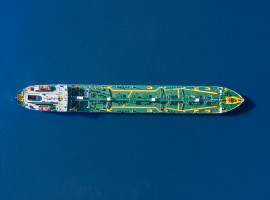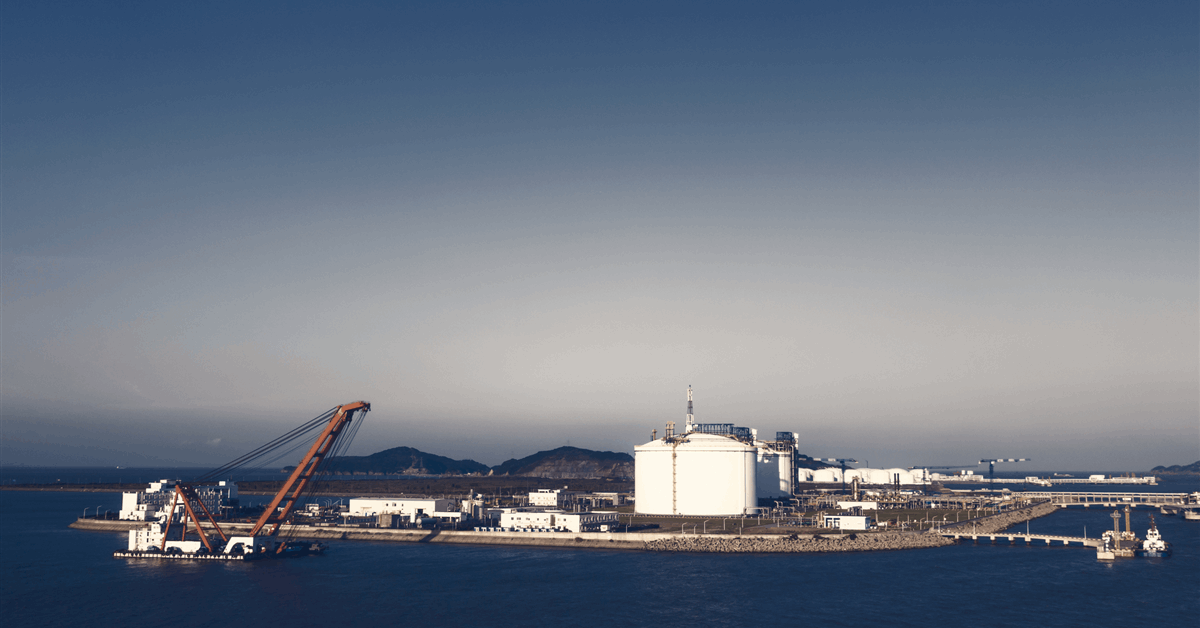
Liquefied natural gas deliveries to China are showing signs of recovery, as some buyers replace shipments disrupted by the conflict in the Middle East.
The 30-day moving average for LNG imports has increased to the highest level since late February, according to ship-tracking data compiled by Bloomberg. Although that’s still below the five-year average, the gap has shrunk to roughly half of what it was in early April.
The closure of the Strait of Hormuz has choked about a fifth of global LNG supply. Qatar, which accounted for around 30 percent of China’s LNG last year, has been forced to halt exports, pushing Chinese purchases of seaborne gas to an eight-year low last month, according to analytics firm Kpler.
Compared to other Asian nations, China’s gas sector is better insulated from the disruptions. Sellers from Canada to Nigeria have helped replace the Qatari volumes. Consumers can tap domestic production and overland pipeline supply that reduce the need for LNG. And utilities have a suite of alternative fuels, from coal to renewables, to keep the lights on.
However, declining gas inventories and the prospect of hotter weather have forced some companies to turn to the spot market for shipments to make up for lost supply, traders said. Above-normal temperatures are forecast across southern China through the end of May, according to the European Centre for Medium-Range Weather Forecast.
The El Niño weather phenomenon is also expected to occur later this year, which would further raise temperatures in China and increase demand for air conditioning, straining fuel supplies generally.
Supporting procurement is a jump in Chinese gas prices. The cost of domestic trucked LNG – a key benchmark – in Guangdong, an industrial hub heavily reliant on gas in southern China, has jumped nearly 70 percent since early March to the highest since 2023, according to data from Argus Media.
The price is now higher than overseas spot LNG, which makes it economical to buy shipments to sell into the domestic market.
Guangdong Energy Group Co. bought cargoes earlier this month, while Zhejiang Provincial Energy Group Co. closed a tender for June and July shipments on Monday, according to traders with knowledge of the matter.
Still, China’s appetite for LNG will remain under pressure as long as Hormuz is shut and spot prices of the fuel remain elevated, suggesting the recent uptick in imports could evaporate as soon as the summer season ends.
What do you think? We’d love to hear from you, join the conversation on the
The is a new social experience created for you and all energy professionals to Speak Up about our industry, share knowledge, connect with peers and industry insiders and engage in a professional community that will empower your career in energy.
MORE FROM THIS AUTHOR
Editor