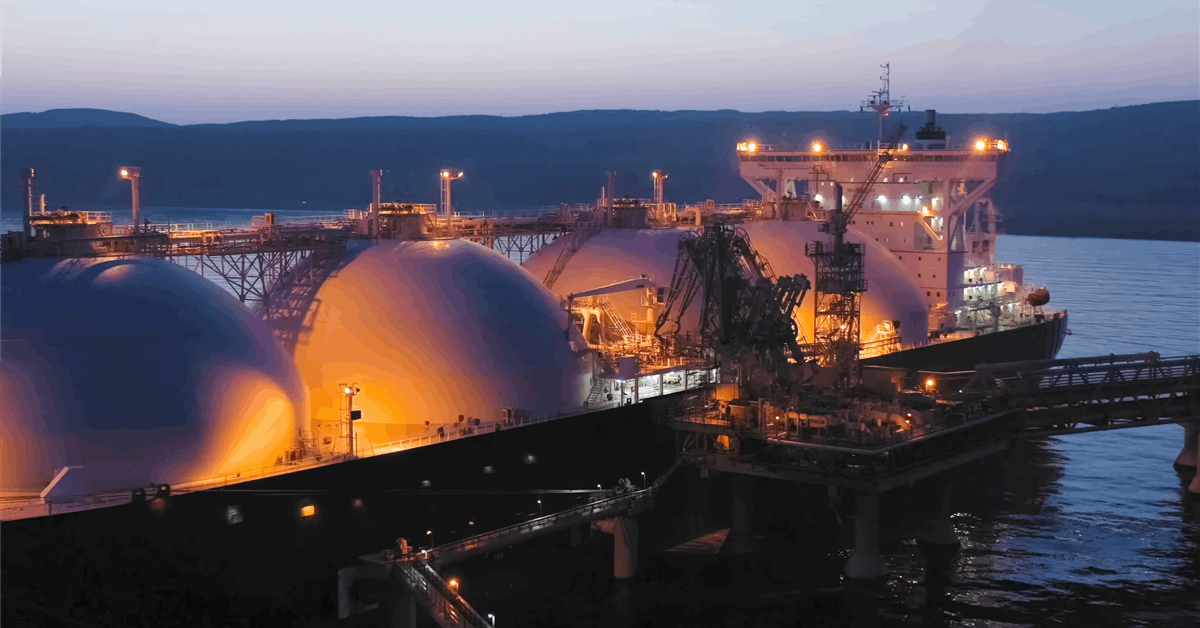
India has officially declined Russia’s offer to sell liquefied natural gas (LNG) from projects currently under U.S. sanctions, following April reports of an LPG-laden tanker en route to western India, according to Indian media reports on Monday.
Last month, Reuters reported that the 138,200-cubic-metre tanker Kunpeng was heading from Russia’s Baltic Portovaya plant to the Dahej LNG terminal in western India. This shipment involved U.S.-sanctioned Russian LNG, signaling a potential first such delivery to India, with Energy Intelligence reporting that the cargo may have been accompanied by documentation attempting to label it as non-Russian in a bid to bypass restrictions. However, LSEG data indicates that the vessel is currently sailing near Singaporean waters without a confirmed destination. Indian buyers and terminal operators have reportedly refused to accept it to avoid violating U.S. sanctions following discussions with Russia.
India’s reluctance to buy sanctioned LNG from Russia has left a large LNG cargo from Russia’s Portovaya plant in the Baltic Sea unable to discharge. The cargo consists of approximately 60,000 tons of heavily discounted LNG.
Last month, the Indian Ministry of External Affairs (MEA) dismissed reports suggesting that India requested a U.S. sanctions waiver to resume Russian LNG imports similar to previous oil arrangements, labeling such reports as speculative. Back in January, the Trump administration significantly escalated sanctions against Russia’s LNG sector, particularly targeting the Arctic LNG 2 project, as part of its ongoing efforts to curb revenue for the war in Ukraine. The sanctions involved over 180 vessels considered part of Russia’s “shadow fleet,” along with numerous oil and gas traders and service providers. Washington has warned that any entity, including foreign financial institutions, doing business with sanctioned Russian LNG projects faces a high risk of secondary sanctions.
In March, the U.S. Treasury issued temporary 30-day waivers allowing India to purchase Russian oil stranded at sea. These measures were designed to stabilize global energy markets after the conflict in the Middle East caused oil prices to rise and prompted Iran to threaten the Strait of Hormuz. Despite the expiration of earlier waivers, India has maintained its imports of Russian energy by emphasizing national energy security, with Russian oil accounting for a substantial portion of India’s total imports amid the ongoing conflict.
By Alex Kimani for Oilprice.com
More Top Reads From Oilprice.com
- Japan Receives First Central Asian Crude Since Iran War Began
- Australia’s Biggest Untapped Gas Field Just Got a Lot More Expensive
- Europe’s Renewable-Plus-Battery Market Set to Quintuple by 2030