By
41 min ago 3 min read
US liquefied natural gas (LNG) exports are expected to make up two-thirds of total European LNG imports in 2026 as dependence increases, according to a new report from the Institute for Energy Economics and Financial Analysis (IEEFA).
The think tank believes the US could supply 80% of European LNG imports by 2028, overtaking Norway to become Europe’s largest gas supplier in 2026.
Ana Maria Jaller-Makarewicz, Lead Energy Analyst for Europe at IEEFA, said global demand for LNG has threatened Europe’s energy security and left the region vulnerable to high prices and new forms of supply disruption.
But US LNG is the most expensive for European buyers, IEEFA notes.
The analysis comes amid ongoing geopolitical instability in the Middle East, with QatarEnergy’s infrastructure damage in March reportedly reducing its LNG export capabilities .
“Europe’s shift from pipeline gas to LNG was meant to provide security of supply and diversification… yet disruptions caused by the war in the Middle East and an overreliance on US LNG show that Europe’s plan has failed on both counts,” adds Jaller-Makarewicz.
Russian LNG
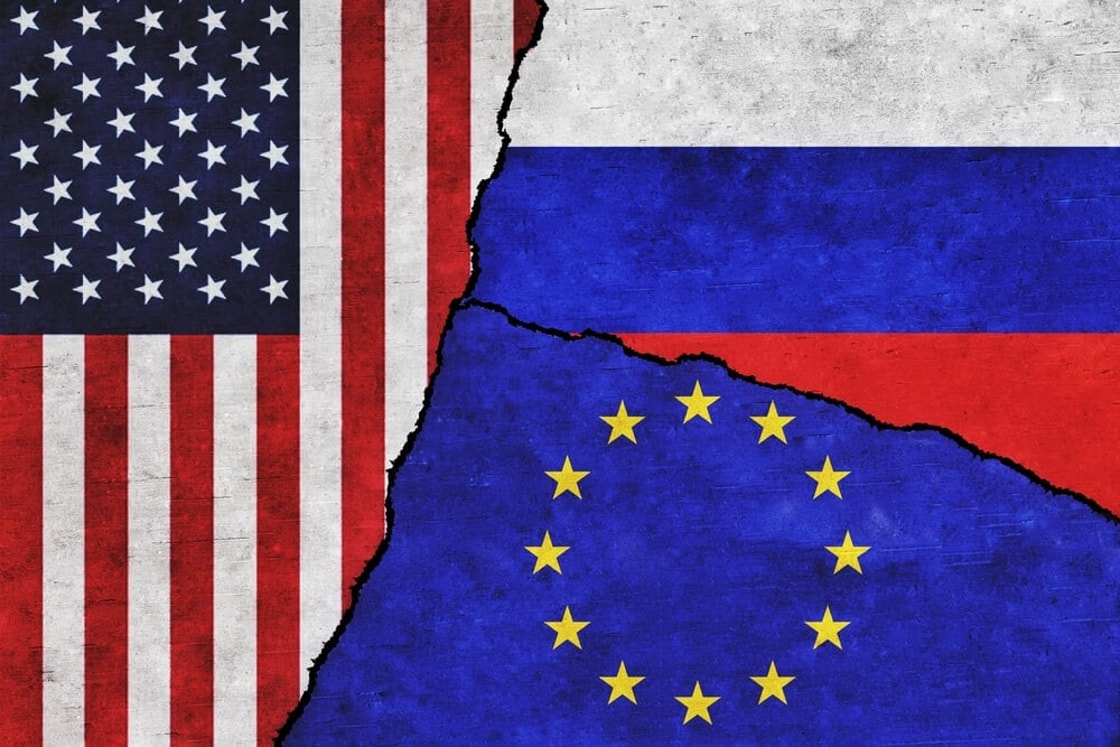
IEEFA’s European LNG Tracker shows Europe’s move away from Russian gas has tripled its reliance on US LNG between 2021 and 2025.
Russia remains the second-largest LNG supplier in the EU market, with Europe’s imports of Russian LNG reaching record levels in Q1 of this year, up 16% year-on-year, driven by deliveries to France, Spain, and Belgium.
In 2025, EU countries spent €6.7bn ($7.8bn) on Russian LNG. However, EU countries approved plans to by late 2027, four years after the invasion of Ukraine.
The EU’s to end its reliance on Russian fossil fuels aims to enhance energy security through diversification, demand reduction, and affordability, but IEEFA says greater reliance on US gas “contradicts this strategy.”
Jaller-Makarewicz argues that as long as Europe relies on gas for energy supply, it must accept the geopolitical risks tied to its major supplies, including the US and Russia.
EU’s new AccelerateEU strategy
In April 2026, and in light of the ongoing crisis in the Middle East, the European Commission introduced the AccelerateEU initiative to increase regional clean energy production and reduce reliance on the volatile global fuel market.
Jaller-Makarewicz notes, “Europe may have no control over LNG supply disruptions, but it can boost energy efficiency and accelerate renewables.”
Following this initiative, IEEFA forecasts Europe’s gas consumption could continue to decline this year and fall by 14% between 2025 and 2030.
The think tank argues LNG demand could then decrease by about 23% over the same period.
At the same time, IEEFA says European countries continue to plan for the construction of more LNG terminals.
By 2030, this could result in Europe’s LNG import capacity exceeding its total gas demand and being up to three times its LNG demand.