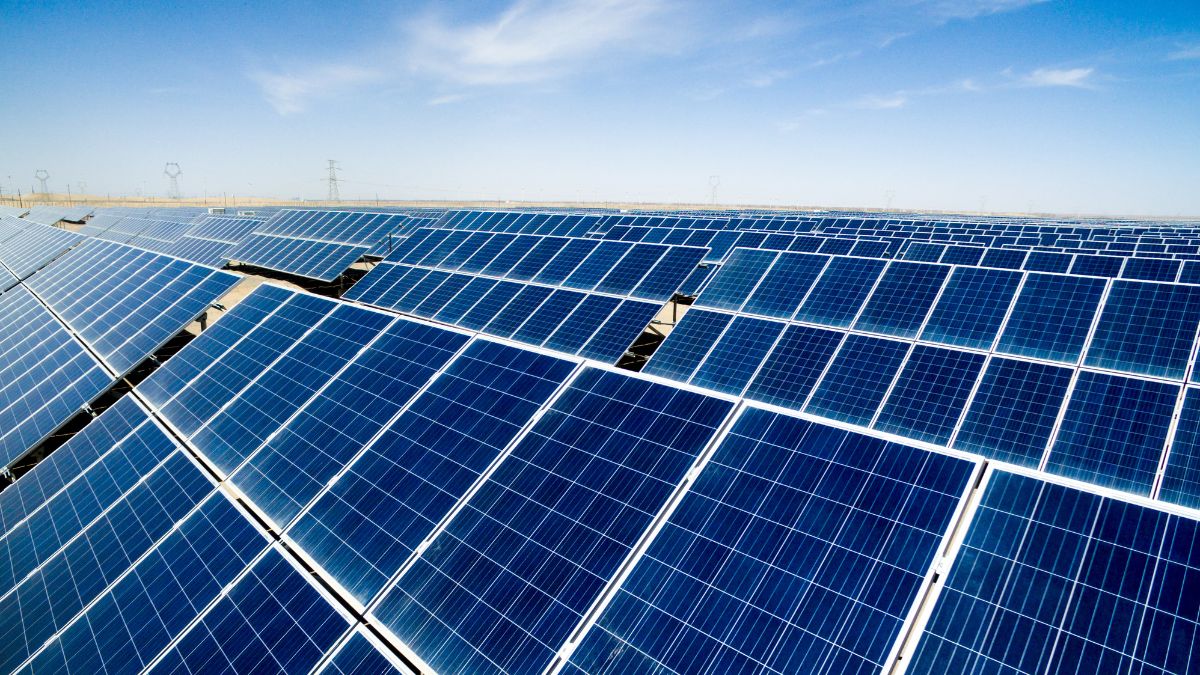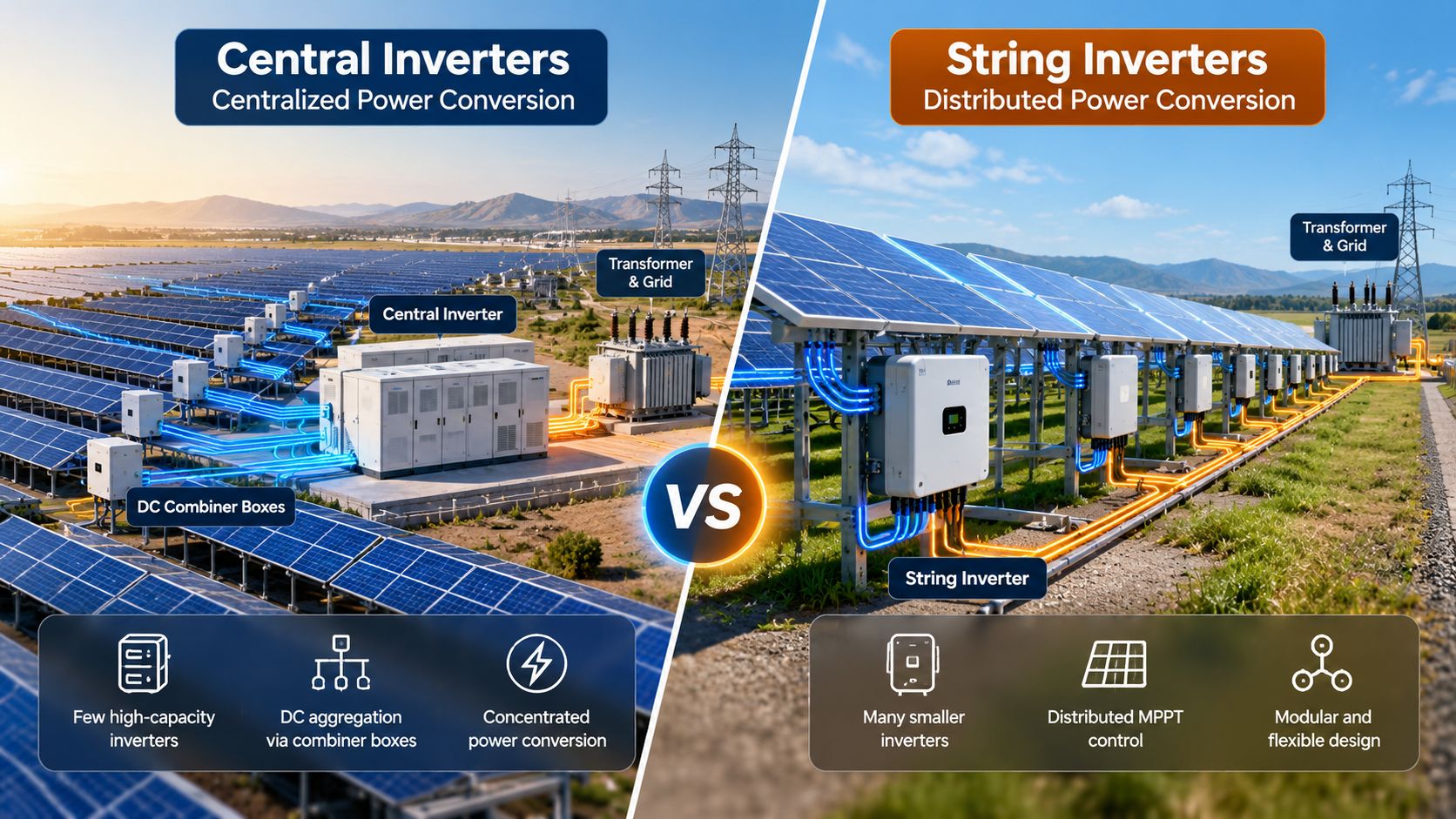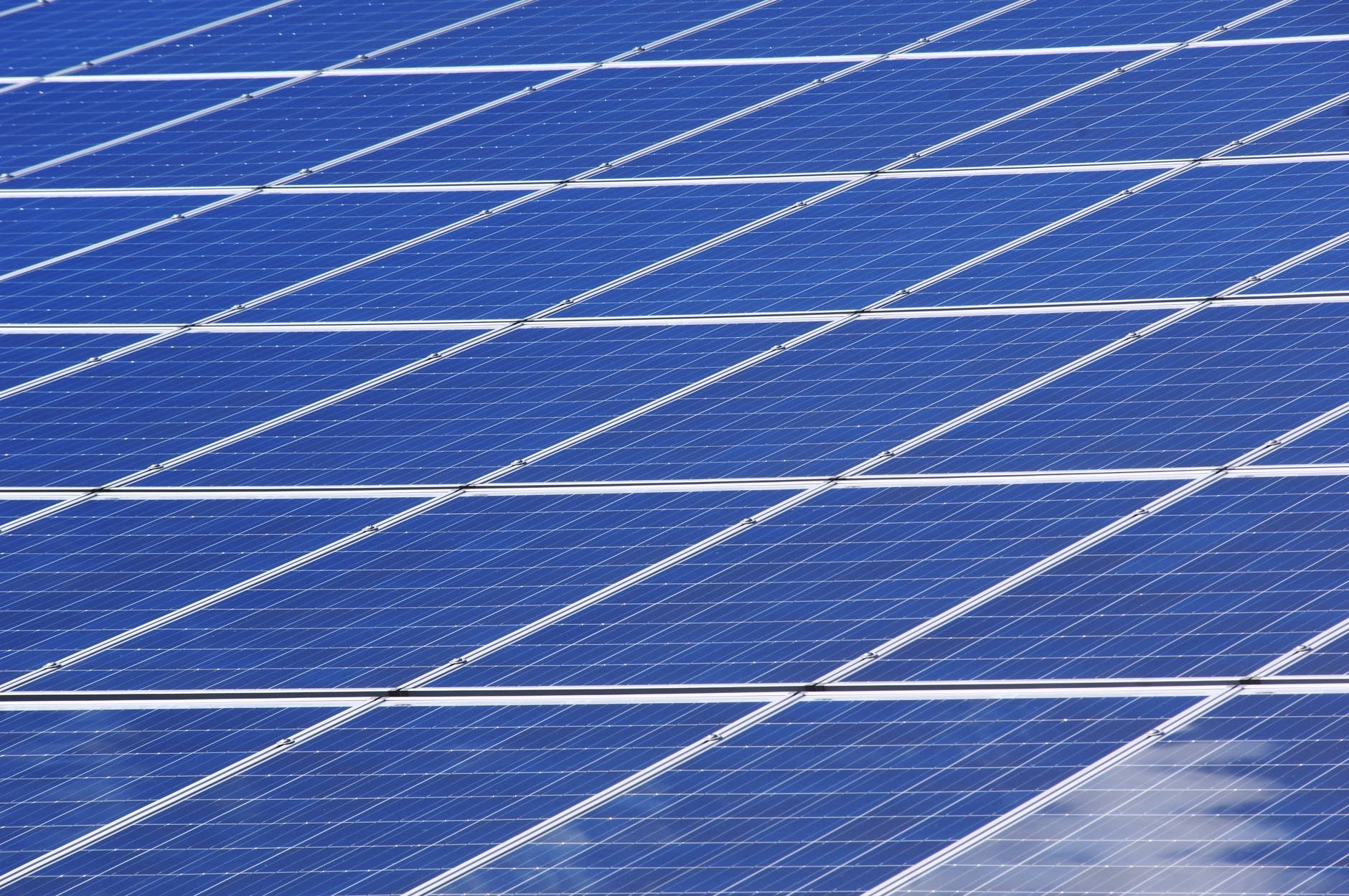
Avangrid, Inc., a member of the Iberdrola Group, has announced that it has brought thousands of sheep back to several of its solar energy sites in Oregon and Washington this spring as part of its vegetation management strategy. The initiative, known as solar grazing, uses sheep instead of mechanical equipment to control the growth of grass and weeds around solar panels, helping maintain site efficiency and reduce fire risks during the dry summer months.
More than 5,000 sheep are currently deployed across four facilities: Daybreak Solar, Bakeoven Solar and Pachwáywit Fields Solar in Oregon, as well as Lund Hill Solar in Washington. The programme is being carried out in partnership with local rancher Cameron Krebs, owner of Krebs Solar Grazing. Krebs, a fifth-generation Oregon rancher with a long family history in lamb and wool production, has worked with Avangrid since 2024 to manage vegetation across solar projects located on the Columbia Plateau.
Avangrid CEO José Antonio Miranda said the initiative reflects the company’s long-term commitment to the communities where it operates. He explained that the approach not only helps manage solar facilities effectively but also builds on the region’s ranching heritage by involving local agricultural partners in day-to-day operations.
According to him, the collaboration strengthens community ties while ensuring that the solar sites are maintained in a sustainable and efficient manner.Cameron Krebs highlighted the importance of cooperation between new energy developers and local communities, noting that the goal of the programme is to keep vegetation under control while improving the overall resilience and functionality of the solar facilities.
He added that working with Avangrid allows traditional ranching practices to contribute to modern energy infrastructure in a practical and mutually beneficial way.According to Lora Chante, Vice President of Operations and Maintenance at Avangrid, what started as a small pilot project in 2023 has now expanded into a full-scale operational approach to vegetation management.
She noted that because solar projects are designed to operate for several decades, maintaining strong relationships with local communities is essential. She added that using sheep grazing helps keep facilities safe and well-managed while reducing operational risks such as fire hazards.
Avangrid teams work closely with Krebs Solar Grazing to develop seasonal grazing plans during the spring growing period. The sheep are able to move freely under and around solar panels, naturally controlling vegetation growth without the need for heavy machinery or chemical treatments. This method helps reduce fire risk ahead of the hot summer season in the region.
The company is also exploring opportunities to expand solar grazing to future projects both within the region and across the United States, as part of its broader approach to sustainable operations and long-term asset management.
Subscribe to get the latest posts sent to your email.