The conflict in the Middle East is beginning to shape global power and renewable energy markets in several significant ways. While higher energy prices are creating immediate challenges for countries that rely heavily on imports, the situation may also encourage many economies to accelerate their zero-carbon investment plans. In Northeast Asia, coal is emerging as a short-term response to LNG supply disruptions, but long-term policy strategies continue to prioritise renewable energy and flexible, low-carbon solutions to strengthen energy security.
At the same time, elevated oil prices are improving the cost advantage of electric vehicles, particularly in Europe and Asia, supporting faster transport electrification. Despite rising logistics costs, investment targets for the wind sector continue to grow across Europe and Asia, as governments emphasise the importance of domestic, non-fuel-based energy sources.
Wood Mackenzie’s analysis highlights that supply chain and project costs are increasing as a direct result of the effective closure of the Strait of Hormuz, which has disrupted the global supply of several key commodities. The conflict initially pushed oil prices sharply higher, driving up jet fuel and marine bunker costs; although prices have eased since the early spikes, they remain above pre-conflict levels.
For power companies and renewable energy developers, the impact extends beyond fuel expenses. Higher shipping costs, longer transport routes and broader supplier diversification are raising the delivered cost of turbines, transformers, batteries, cables and other essential components across the value chain. Projects that need near-term equipment procurement are particularly exposed, unless their contracts include cost-adjustment mechanisms or flexible pricing terms.
The disruption does not affect all countries equally. Markets with diverse domestic resources or multiple supply options are better positioned to manage the volatility. In contrast, economies heavily dependent on imported fossil fuels for power generation—such as Italy, Japan, South Korea and the UK—are facing increased wholesale electricity prices and higher risks associated with fuel procurement. Utilities in these regions may experience pressure on retail margins, tariff structures and hedging strategies.
For policymakers, this reinforces the strategic importance of boosting domestic energy production through renewables, nuclear power and energy storage. For developers, this shift may translate into stronger medium-term demand for projects that enhance energy security and reduce reliance on imported fuels.In Asia, LNG import challenges are prompting some utilities to increase coal generation where spare capacity exists, as coal may offer short-term economic advantages compared to high-priced LNG.
However, this does not change the long-term requirements of the region’s power systems, which still need greater flexibility, more affordable domestic energy sources and more resilient capacity. If the disruption continues during periods of peak electricity demand, system operators may rely more heavily on tools such as improved wholesale market incentives for flexible capacity, accelerated grid expansion, enhanced cross-border interconnections, battery storage paired with renewables and the ongoing consideration of new nuclear plants in selected markets.
For developers, this environment can create clearer opportunities for utility-scale renewables and storage projects designed to reduce exposure to imported fuels.Higher oil prices are also improving the relative economics of electric vehicles. In Europe and Asia, where petrol and diesel prices are already elevated, sustained oil price increases strengthen the financial case for EVs.
Faster EV adoption has wider implications for the power sector, requiring utilities to plan for long-term increases in electricity demand, a more distributed charging load and enhanced requirements for grid reinforcement and flexible power generation. Developers may benefit from increased demand for renewable capacity, battery storage, smart charging infrastructure and demand-side flexibility solutions.
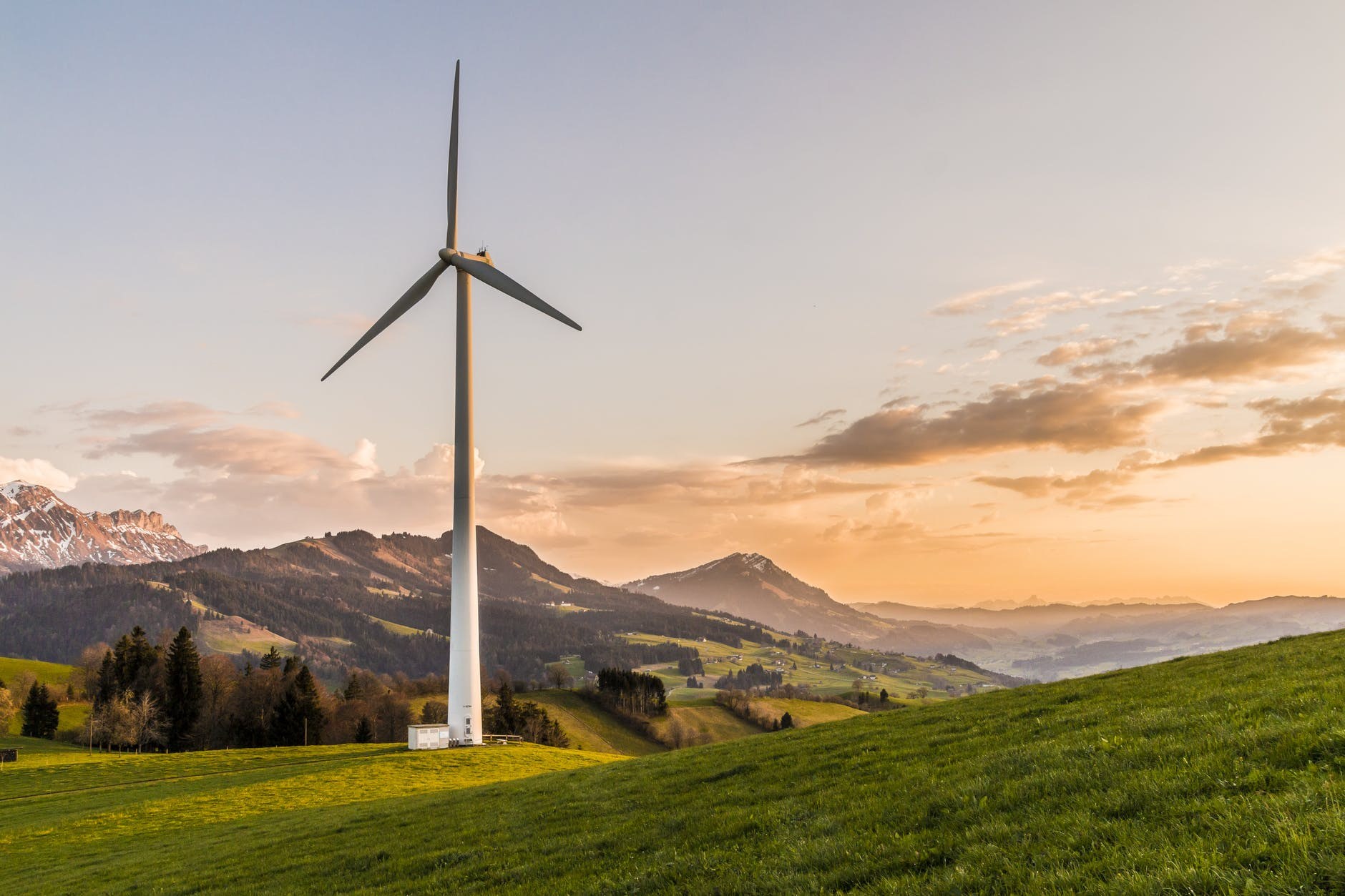
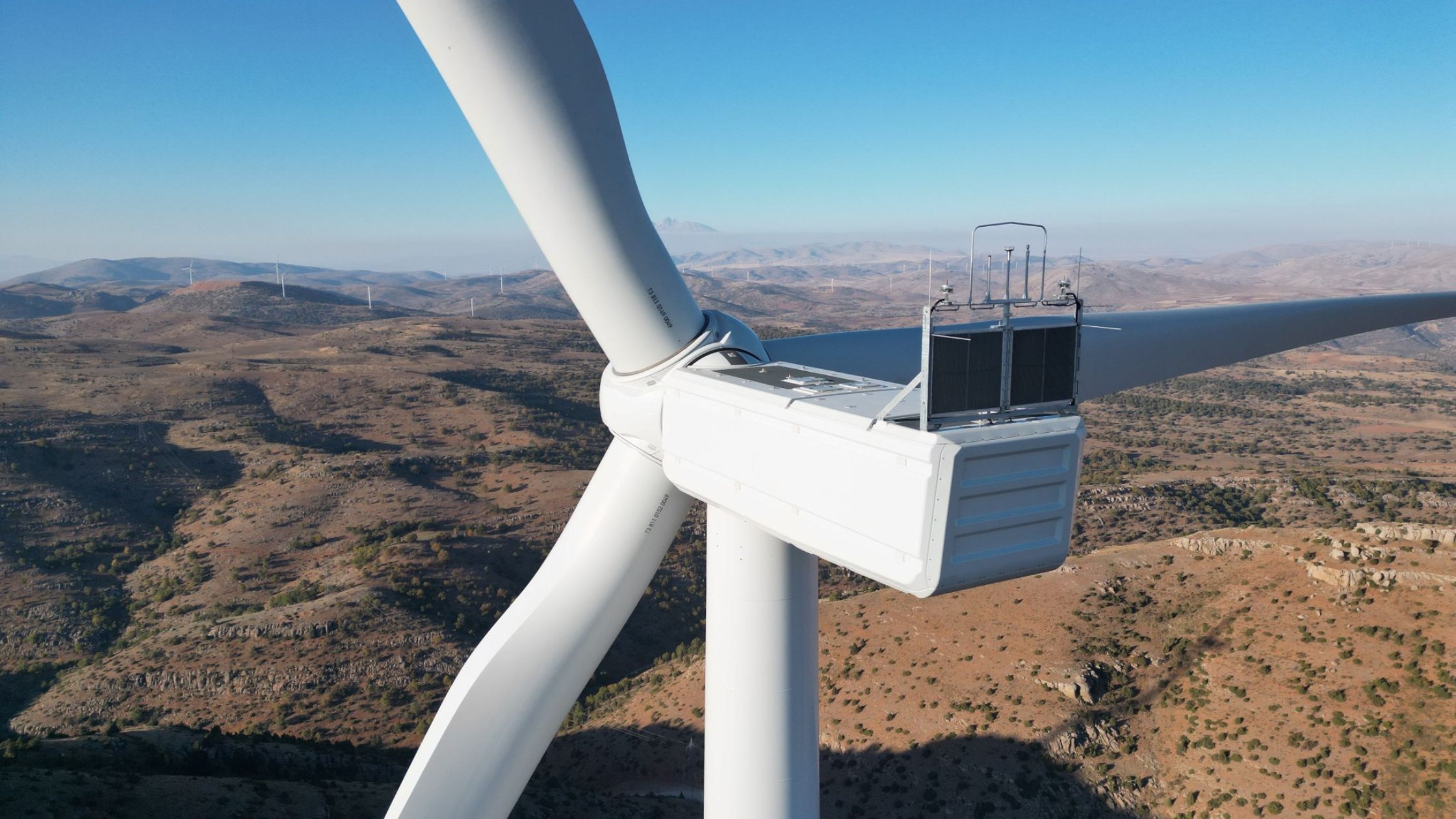
In the United States, however, EV competitiveness depends more on pricing, incentives and the evolution of the used-EV market rather than oil prices alone.The wind sector faces rising logistics costs, particularly for transporting large components such as blades, nacelles and tower sections. If high oil prices persist, installation and turbine costs may remain above the levels assumed in earlier project forecasts, creating challenges for developers whose auction prices or offtake agreements were set under more favourable cost conditions.
Despite this, geopolitical uncertainty has historically encouraged governments to double down on domestic renewable energy. Following the conflict in Ukraine, many countries raised their renewable energy ambitions, and a similar pattern may emerge now. The ongoing conflict could reinforce existing policy goals around renewable energy expansion, grid resilience and reduced dependence on imported fuels. For utilities and developers, short-term cost pressures may therefore be balanced by stronger long-term policy support and a more favourable investment environment for wind and other forms of clean energy.
Subscribe to get the latest posts sent to your email.