By
48 min ago 2 min read
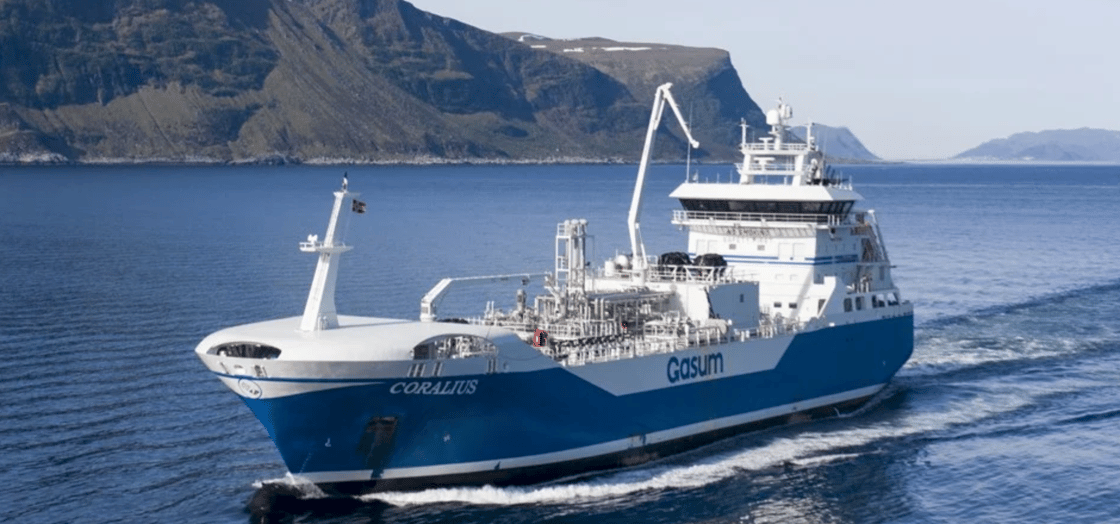
Finnish state-owned energy firm Gasum saw its maritime bioLNG sales rise to 12.3% in 2025, up from 0.8% in 2024.
A chief reason was the which came into force and requires ships to reduce the carbon intensity of fuel incrementally up to 80% over the next 25 years. In practice this means increasing use of renewable fuels.
Jacob Granqvist Vice-President, Maritime at Gasum, said it clearly shows the viability of the methane pathway in decarbonising shipping. “We anticipate a continued growth in biomethane volumes going forward, since we see that the demand for lower-emission fuel solutions continues to strengthen,” he said.
The increase demonstrates the growing demand for bioLNG and underlines its role as an available and scalable solution for reducing emissions in maritime transport.
The EU allows for a pooling mechanism, whereby ships that are able to sail on renewable fuel can generate carbon intensity reductions on behalf of ships that are not able to do so.
This has made it easier to introduce renewable fuels and reduce emissions for the whole European maritime transport sector as costs are shared among all ship operators.
“To sustain the positive development, it is essential to maintain momentum in Europe. Continued progress will require increased biomethane production, an unhindered trade across borders, and the further development of a strong and growing European market for biomethane,” added Granqvist.
Last month Gasum and shipping company Wasaline extended their agreement for bioLNG supply through to 2027, building on a long-standing partnership.
International shipping accounts for approximately 3% of global energy-related CO2, totalling nearly 700 million tonnes annually.