By
37 min ago 2 min read
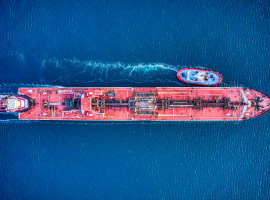
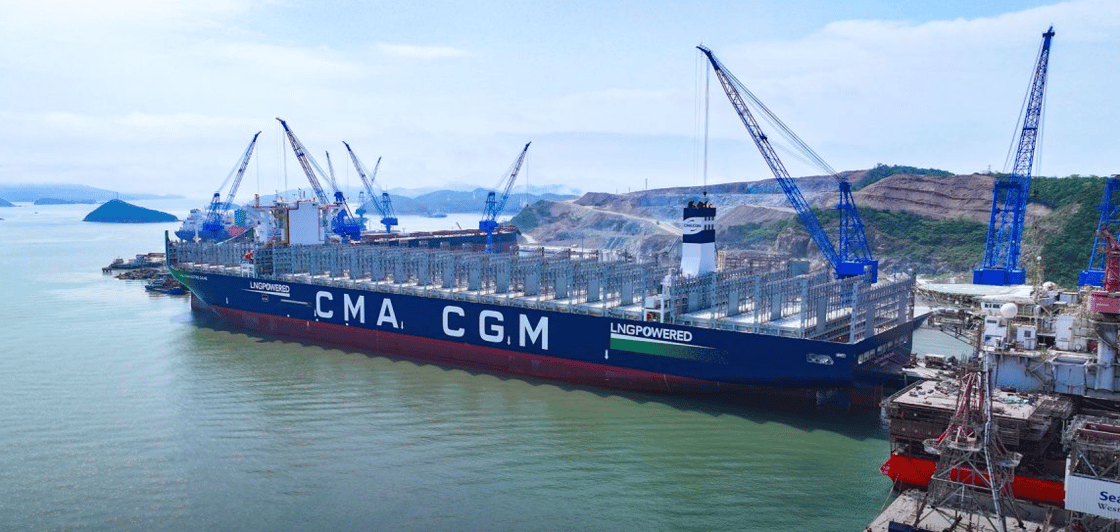
The CMA CGM Notre Dame – billed as the world’s largest LNG-powered container ship – has officially set sail.
The ship, the first in a series of 10 ‘next generation’ French-flagged vessels, can hold up 18,000 cubic metres of LNG and accommodate 24,212 containers (twenty foot equivalent units).
LNG-powered container ships offer an immediate, viable pathway for maritime decarbonisation by significantly reducing emissions, according to risk and assurance firm DNV.
But operators face critical challenges, including high capital expenditure for dual-fuel engines, complex bunkering infrastructure gaps, and the climate penalty of methane slip.
Most cargo ships, cruise ships, and ferries use dual-fuel technology. They run primarily on LNG but can seamlessly transition to liquid marine diesel if LNG is unavailable.
Strict environmental regulations – such as – have prompted shifts toward dual-fuel designs, allowing vessels to utilise conventional fuels while LNG bunkering ports expand internationally.
The global LNG shipping industry will require over , according to analysis by research consultancy firm Wood Mackenzie.
New large-scale LNG supply coming onstream this decade will drive demand for shipping capacity, but build times are a complicating factor.
“LNG carriers are taking around two-and-a-half to three years to build at the moment,” said Fraser Carson, Principal Analyst, Global LNG Assets at Wood Mackenzie. “If players have already contracted LNG offtake to start before the end of the decade, the decision around placing a newbuild order needs to be made now.”