The ongoing conflict in the Middle East and the effective closure of the Strait of Hormuz have created what experts are calling the biggest global energy security crisis in modern history. Coming only a few years after the 2022 energy crisis caused by Russia’s invasion of Ukraine, the latest disruption has forced countries and companies to rethink their energy strategies and investment plans. Governments around the world are now focusing on reducing their dependence on unstable shipping routes and imported fuels by investing in domestic energy production, alternative transport routes, and stronger energy infrastructure.
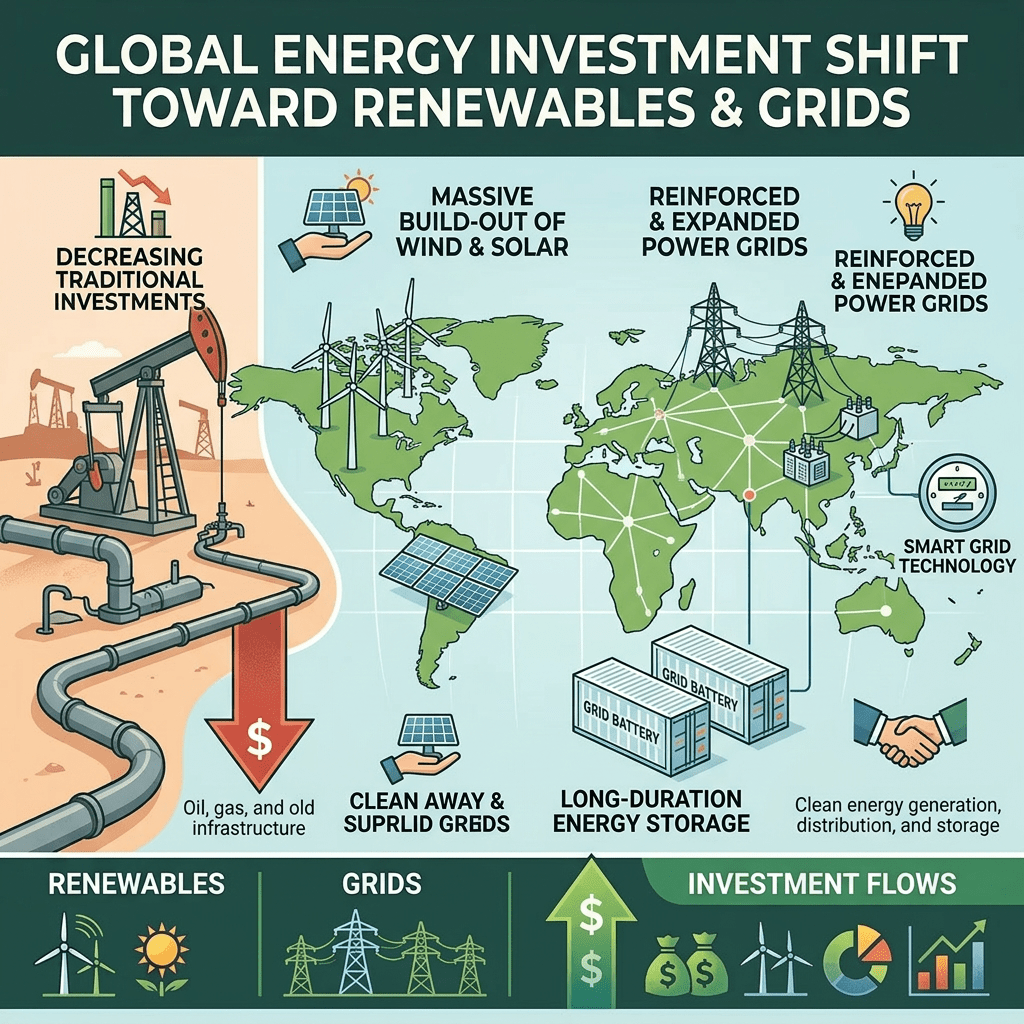
According to the latest report by the International Energy Agency (IEA), global energy investment is expected to reach nearly $3.4 trillion in 2026. Out of this, around $2.2 trillion will go toward clean energy technologies such as renewable energy, electricity grids, battery storage, low-emission fuels, nuclear power, and energy efficiency projects. The remaining $1.2 trillion will be invested in fossil fuels.
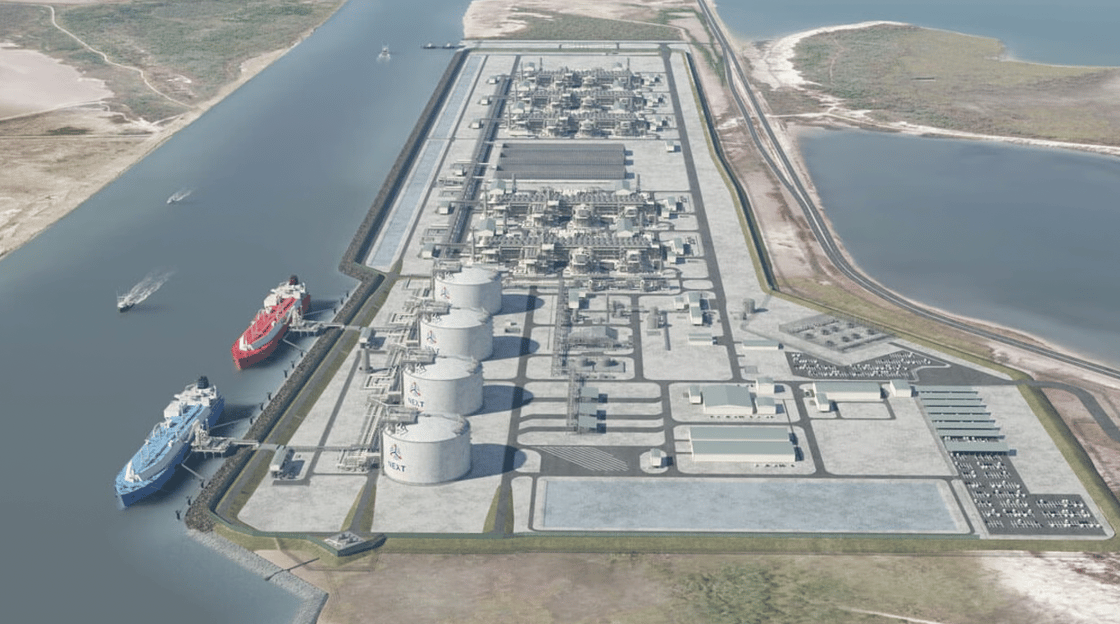
Despite rising oil prices caused by supply disruptions, investment in the oil sector is expected to decline for the third consecutive year and fall below $500 billion globally. Investors remain cautious because of uncertainty over future oil demand, long development timelines, and supply chain problems affecting projects outside the Middle East. At the same time, natural gas investment is rising sharply and is expected to hit a ten-year high of $330 billion. Large liquefied natural gas (LNG) projects in the United States and Qatar are leading this growth.
Renewable energy continues to attract major investments as countries aim to strengthen domestic energy security. Global renewable energy projects are expected to receive $665 billion in 2026, with solar energy accounting for more than half of the total spending. Nuclear energy is also seeing renewed interest, with annual investment crossing $80 billion as fifteen countries move ahead with new nuclear projects.
However, energy security concerns are also increasing investment in coal. Global coal investment is expected to reach a fourteen-year high of $180 billion, mainly driven by China and other Asian countries that are delaying the retirement of older coal plants to maintain stable electricity supplies.
Electricity infrastructure has become the center of global energy spending. Investment in grids is expected to reach $550 billion, while battery storage investment is crossing $100 billion. Rising electricity demand from artificial intelligence and data centers, especially in the United States, is further accelerating investment in power generation and grid expansion. This growing demand has also pushed US gas-fired power plant orders to their highest level in 25 years, increasing pressure on global turbine supply chains.
Subscribe to get the latest posts sent to your email.