By
36 min ago 3 min read
Three Danish green hydrogen projects have been named as the winners of €1.3bn in German subsidies.
The projects, awarded between €0.98 and €1.70 per kilogramme, will supply green hydrogen to Germany through the planned Danish Hydrogen Backbone, which is due online by the end of 2030.
It comes under Germany’s European Hydrogen Bank-linked , aimed directly at Danish projects. Like the European Hydrogen Bank, the subsidies will be paid on a per-kilogramme basis for 10 years once the project begins operations.
Green hydrogen firm Everfuel secured €244.9m (€0.98/kg) for the first 200MW phase of its Frigg project in Vejen, which could eventually scale to 2GW.
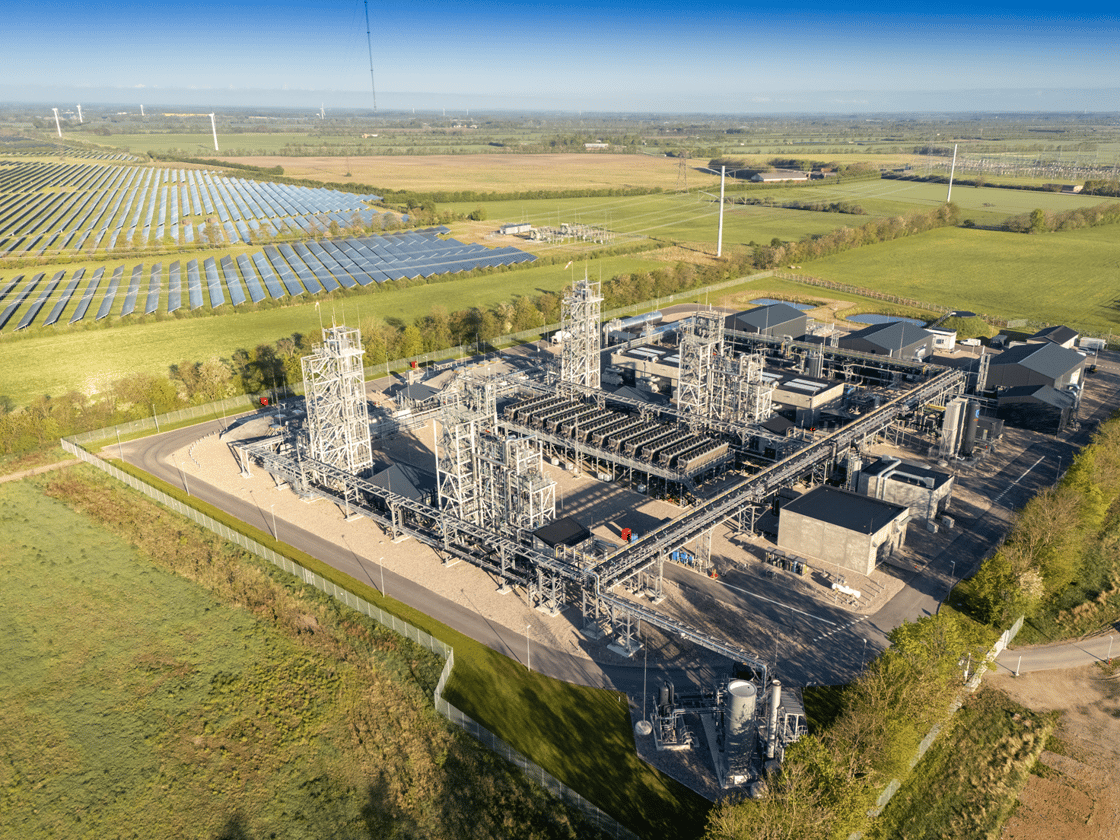
Renewable developer European Energy was awarded €228m (€1.07/kg) to expand its existing 52MW facility in Kassø, Denmark, by 150MW. The firm’s Kassø project, which came , produces green hydrogen from electrolysis as a feedstock for e-methanol production.
Copenhagen Infrastructure Partners’ 240MW Høst project in Esbjerg won the largest share with around €777m (€1.70/kg).
Denmark has been positioned as a strong potential green hydrogen producer due to its high offshore wind capacity, with various projects looking to export to Germany.
However, the Danish Hydrogen Backbone from its original start date of 2028 with transmission system operator Energinet citing increased complexity and longer planning and environmental processes.
European Energy said it now “expects” the 133km pipeline to “move forward,” due to both Danish producers and German offtakers showing “commitment.”
It comes as Germany looks to ramp up supplies of green hydrogen after passing in the transport sector.
By 2040, green hydrogen must make up 10% of transport energy, with fuel suppliers facing penalties for non-compliance.
“We now call on the incoming Danish Government to commit to constructing the hydrogen infrastructure that will transport our products to off-takers in Germany,” Rene Alcaraz Frederiksen, EVP and Head of PTX at European Energy said.
“Now that demand and production support of that magnitude have been secured, it shifts something completely fundamental,” said Tejs Laustsen Jensen, CEO of Hydrogen Denmark. “It reduces risk, it accelerates decision-making processes, and it makes the hydrogen pipeline and the Danish hydrogen projects much more attractive to invest in.”