By
22 min ago 4 min read
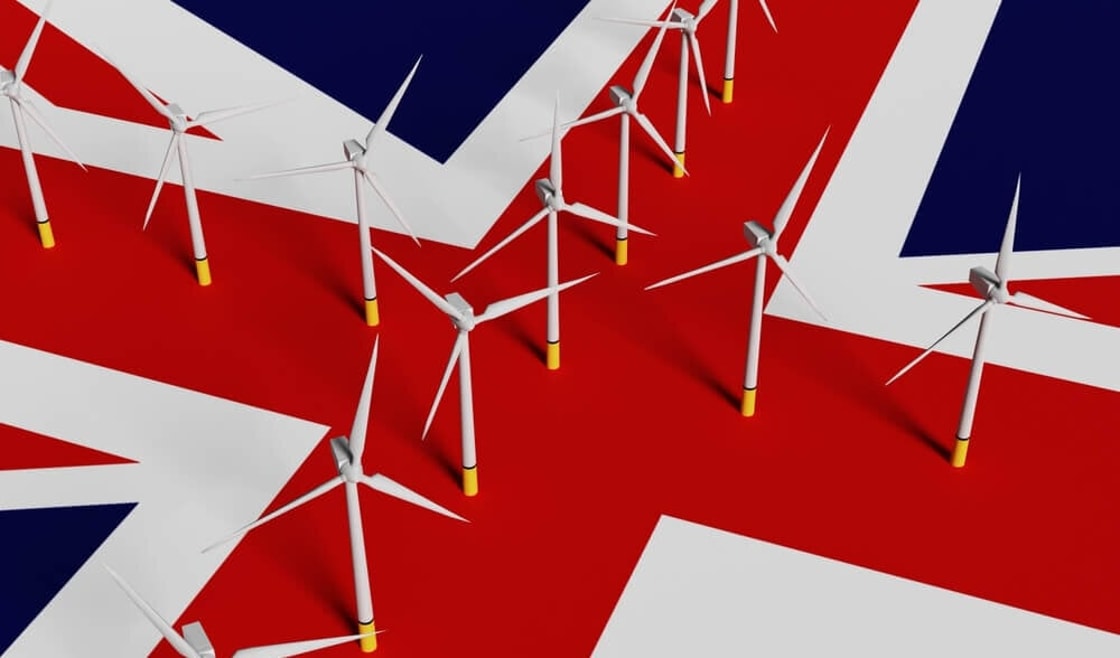
The UK government has set an ambitious 87% emissions reduction target between 2038 and 2042 under the seventh carbon budget.
The high figure has been chosen as the government says it is “moving at pace” to clean energy and net zero emissions – although the cost of developing and scaling new technologies, along with inflationary pressures from the Middle East crisis, on the back of the Russia-Ukraine conflict, underline the issues presented by recurring geopolitical events.
A delivery plan setting out how Carbon budget 7 will be met will be published as soon as is reasonably practical after Parliament has approved the budget.
The government reiterated its desire to “get off the rollercoaster” of fossil fuel prices. UK greenhouse gas emissions fell 2% to 367 million tonnes of carbon dioxide equivalent in 2025.
Industry sector emissions decreased by 12% (5 MtCO2e), largely due to blast furnace closures in the iron and steel industry and decreased gas use across industries.
Since July 2024, the UK has invested over £90bn in private clean energy investments, including carbon capture projects in Teesside and nuclear at Sizewell C off the Suffolk coast.
By 2050, the UK could cut its reliance on fossil fuels from around three quarters of its energy today to around 15%, while avoiding around £445bn in fossil fuel spending over the next 25 years.
The government will continue to embark on a clean energy jobs push, claiming it will generate over 400,000 additional jobs across the UK by 2030.
Dhara Vyas, Chief Executive at Energy UK, said the events of recent weeks have once again underlined the importance of pressing ahead with the move to clean energy to reduce our vulnerability to global fossil fuel price shocks and strengthen our energy independence in an uncertain world.
“The quicker we increase the amount of energy we get from our own clean sources, the less exposed our homes, businesses and economy will be in future,” she said.
Ben Martin, Policy Manager at the British Chambers of Commerce, said there are many innovative businesses that are developing low carbon technology solutions critical to supporting net zero, and the Seventh Carbon Budget provides greater certainty for these firms and builds on progress already made.
“Businesses, alongside Chambers of Commerce, are playing a leading role in supporting the transition in areas such as nuclear power, offshore wind, solar, and carbon capture,” he said.
Verity Davidge, Director of Policy and Public Affairs at Make UK, said a sustained growth in UK electrification supply chains could help modernise industrial processes and ensure that UK manufacturing can compete on an increasingly carbon-free international stage in the years ahead.
James Alexander, CEO of the UK Sustainable Investment and Finance Association, said investors need certainty to allocate billions of pounds of capital to major low-carbon industries, and the carbon budget is an important demonstration of the UK’s ongoing commitment to decarbonisation.
Tara Singh, Chief Executive at trade body RenewableUK, said setting clear goals helps to attract billions in private investment in sectors such as green hydrogen.
The UK National Wealth Fund will back 10 sectors, including hydrogen, carbon capture, battery making, and energy storage, under a new strategic plan committing £5.8bn ($7.99bn) . In other recent moves, guidance will be published for buyers and producers.
“The clean power we generate cuts bills by pushing the most expensive gas generators off the system. Low-cost electricity from renewables protects billpayers from price shocks on volatile global fossil fuel markets which we can’t control, strengthening the UK’s energy security as we move closer towards energy independence,” she said.