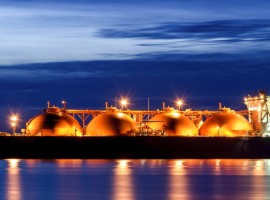
Industrial action at the Ichthys LNG project offshore Australia has started to affect loadings, with Reuters reporting that one tanker has been delayed as a result of the limited strike.
The strike, limited to two hours in the mornings and two hours in the evenings, began earlier this week, after trade unions representing workers at Ichthys and the operator of the project, Japan’s Inpex, failed to reach an agreement on wages and working conditions.
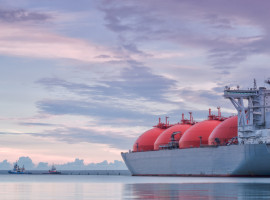
The Pacific Breeze LNG carrier docked at Ichthys to load a cargo for delivery in Taiwan. Loading, however, has been delayed because of the strike, the Offshore Alliance, which represents the workers, said in a social media post as quoted by Reuters. Originally, the Pacific Breeze was scheduled to load on May 31 and arrive at its destination on June 9, Kpler data cited by Reuters showed.
The Offshore Alliance, a coalition of two trade unions, last month notified Japan’s Inpex that a strike may be imminent at the company’s Ichthys LNG project. “We have made it clear to Inpex that we aren’t going to cop the short-changing of our bargaining claims simply because Inpex could not be bothered reading our claims for six months,” a spokesperson for the Offshore Alliance said in a statement on May 18.
The strike, although limited for now, could broaden to full-scale industrial action later this month unless the differences between workers and the employer are resolved. Meanwhile, LNG prices in Asia are 75% higher than they were before the war between the United States and Israel against Iran began at the end of February. Any additional disruption, such as a strike in the world’s second-largest LNG exporter, would add to the price pain for energy importers in the world’s largest LNG market. The Ichthys project has a capacity for 9.3 million tons of liquefied gas annually.
By Irina Slav for Oilprice.com
More Top Reads From Oilprice.com
- Oil Prices Climb as U.S. Strikes Tanker and Downs Iranian Drones
- Rystad: U.S.-Iran Re-Escalation Could Drive Oil to $180 By August
- BP Starts Production at Trillion-Cubic-Foot Gas Prize In Azerbaijan