By
41 min ago 3 min read
The golden age of biomethane has only just begun, according to Philip Fjeld, CEO and Co-Founder of ReFuels.
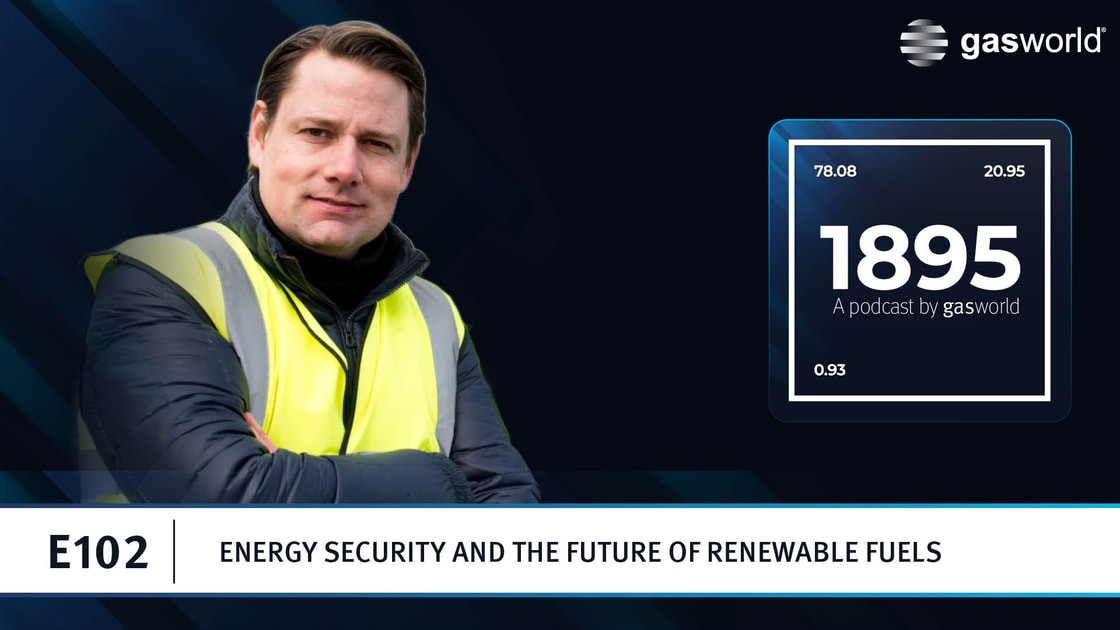
Speaking on the latest , entitled ‘Energy security and the future of renewables’, he believes biomethane now stands at a critical juncture, capitalising not only on decarbonisation momentum but also demand for locally oriented feedstocks and production, at a time of global supply chain stress from the and need for energy security.
“Is biomethane the vector that can power everything? No, it’s not that scalable. But we’re only just scratching the surface currently with regards to its potential. As of today, we’re not remotely close to running out of waste feedstocks – on the contrary, there is a lot more feedstocks currently chasing biomethane production,” he said.
ReFuels – positioned as a fully integrated energy supplier, dedicated to decarbonising Europe’s commercial transport fleet – has ridden every market dynamic since it was founded in 2014. The contrast between then and now is “chalk and cheese”.
“For the first five or six years, there was a lot of heavy lifting then gradually, as more fleets have adopted [it], it’s become more mainstream,” he said. “Now we’re at the top of the hill and coming over the other side, picking up pace. It’s a tried-and-tested technology which can be scaled.”
He believes hydrogen is unlikely to take a meaningful role in transport, and more likely to be adopted in industry.
“One of my favourite words is pragmatism, and I think we’re missing it in a lot of debates. Politicians like soundbites but not always detailed analysis. The attraction of biomethane hasn’t been fully understood – it’s been below the radar. It’s not sexy, converting waste into gas.”
“But our customers are sophisticated. Haulage customers live in the real world, not the shiny powerpoint one. If you’re a fleet operator and you need to move goods 24/7, you need to run your trucks; if flows from the Middle East are stopped, the greater the chance of supply disruptions.”
“I think the narrative has changed forever, among the end users of some products. From our perspective, customers are more focused that the energy they use is more secure than what it currently is for diesel.”
The podcast also reflects on latest policy developments in Europe, including the RED III directive, which will “massively increase” demand for renewable gases.
To listen to the podcast, click