Human errors remain one of the most underestimated challenges in the operation and maintenance (O&M) of solar power plants. While technological advancements have improved the efficiency and reliability of photovoltaic (PV) systems, studies show that a significant percentage of plant downtime, energy losses, and safety incidents can be traced back to human mistakes. As solar installations continue to expand globally, reducing operational risks caused by human error has become essential for maximizing plant performance and return on investment.
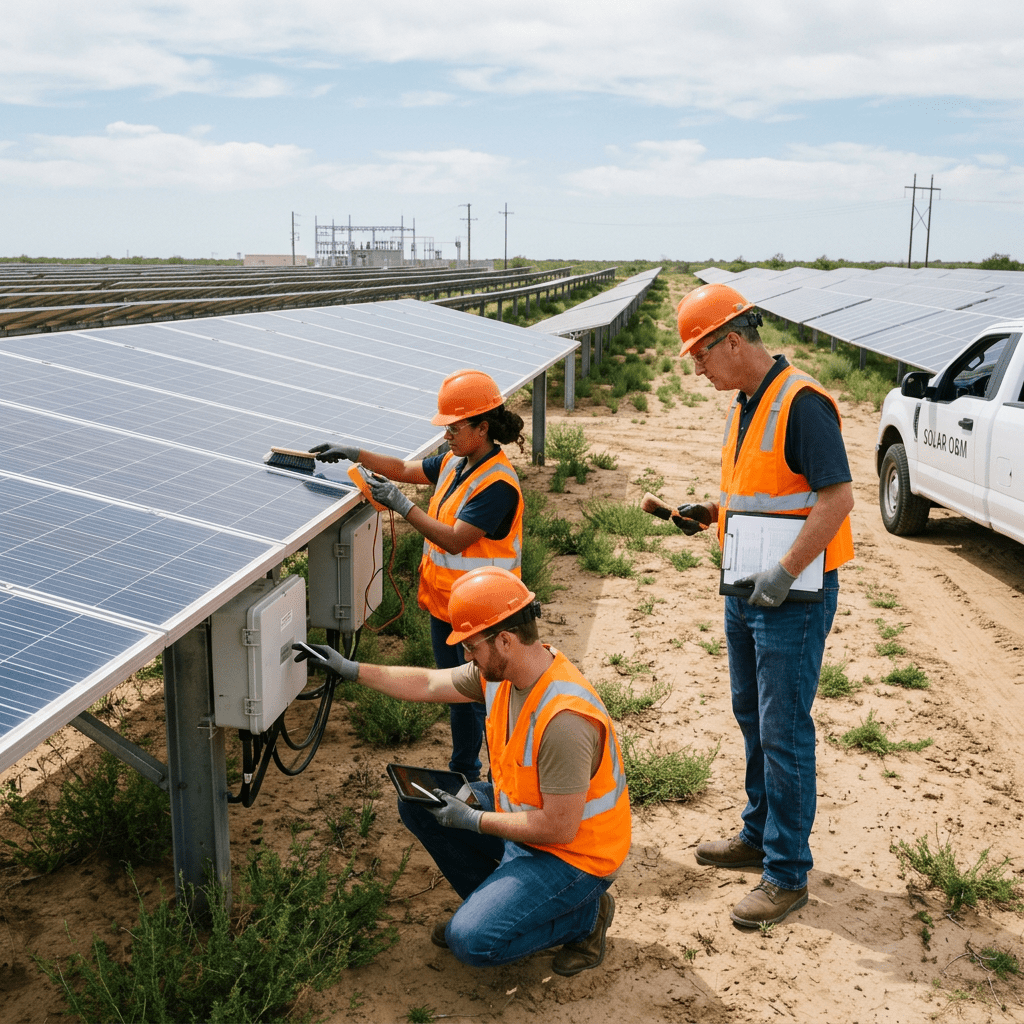
Several industry case studies highlight the impact of such errors. In a utility-scale solar plant in India, technicians failed to properly tighten DC cable terminations during routine maintenance. Over time, the loose connections created hotspots, resulting in connector failures and energy losses exceeding 3% of annual generation. Thermal imaging inspections later revealed abnormal temperature rises at multiple connection points, demonstrating how a simple maintenance oversight can lead to substantial financial losses.
Another case involved an operational solar farm in the Middle East where incorrect inverter parameter settings were uploaded during a software update. The altered settings caused frequent inverter tripping during peak irradiance conditions, reducing plant availability for several weeks. Engineers eventually identified the issue through SCADA data analysis and restored the original configuration. The incident highlighted the importance of change-management procedures and verification protocols before implementing software modifications.
Human error is also a major contributor to safety incidents. A European solar facility reported an electrical arc flash event after maintenance personnel failed to follow lockout-tagout (LOTO) procedures before servicing energized equipment. Although no fatalities occurred, the incident caused equipment damage and operational disruption. Such events emphasize the need for strict compliance with safety standards and continuous workforce training.
Research indicates that most human errors in solar O&M fall into several categories: inadequate training, procedural violations, communication failures, poor documentation, and fatigue-related mistakes. In large utility-scale projects, technicians often manage thousands of modules, string combiner boxes, inverters, transformers, and monitoring systems. Without standardized operating procedures, even experienced personnel can overlook critical maintenance tasks.
Technical tools are increasingly being used to reduce these risks. Supervisory Control and Data Acquisition (SCADA) systems provide real-time monitoring and automated alarms that help operators identify abnormalities before they escalate. Drone-based thermography enables rapid detection of hotspots, module defects, and connection issues without requiring extensive manual inspections. Artificial Intelligence (AI) and predictive analytics are also being integrated into solar asset management platforms to identify patterns that may indicate human-induced operational problems.
Risk reduction strategies should focus on both technology and workforce development. Regular technical training programs, certification requirements, and competency assessments can improve operator performance. Digital maintenance checklists and mobile inspection applications help ensure procedural consistency. Establishing a robust Quality Assurance and Quality Control (QA/QC) framework can further minimize maintenance-related errors. Additionally, adopting international standards such as IEC guidelines and implementing root-cause analysis after every major incident can strengthen organizational learning.
As solar power becomes a cornerstone of the global energy transition, operational excellence is critical for long-term project success. While advanced technologies continue to improve plant reliability, human performance remains a decisive factor. By combining skilled personnel, standardized procedures, data-driven monitoring, and continuous improvement practices, solar plant operators can significantly reduce human errors, enhance safety, and maximize energy generation throughout the asset lifecycle.
Subscribe to get the latest posts sent to your email.