(Bloomberg) – The U.S. and Iran say they have reached a deal to reopen the Strait of Hormuz, setting the stage for talks on Tehran’s nuclear program and potentially ending a conflict that disrupted global energy markets and raised concerns over oil supplies.

President Donald Trump has announced a U.S.-Iran agreement to restore shipping through the Strait of Hormuz
“The Deal with the Islamic Republic of Iran is now complete,” U.S. President Donald Trump said on Sunday in a social media post. “I hereby fully authorize the toll free opening of the Strait of Hormuz and, simultaneously herewith, authorize the immediate removal of the United States Naval blockade.”
The announcement came first from Pakistani Prime Minister Shehbaz Sharif, and was followed by Trump and Iranian state media, which depicted the deal as a capitulation by the U.S.
Oil dropped after the news. Brent fell more than 3% toward $84 a barrel, after closing last week at the lowest in more than three months, while West Texas Intermediate was near $81.
Neither side released the text of the deal but the broad contours had circulated for days. Iran’s Deputy Foreign Minister Kazem Gharibabadi said on state television that the text of the memorandum of understanding will be published following the official signing, scheduled for June 19.
The U.S. and Iran will end their competing blockades of Hormuz, one of the world’s busiest waterways. They agreed not to attack each other and to start negotiations on Iran’s nuclear program. Iran would get relief from sanctions targeting its overseas oil sales.
While both sides claimed victory, they remain deeply distrustful of each other, and crucial questions remain about their ability to reach a broader deal. What remains unclear is the view from Israel, where Prime Minister Benjamin Netanyahu’s government jeopardized a signing at the last minute with new attacks on Lebanon.
Also unclear is the financial incentives Iran will receive. A senior U.S. official who spoke to reporters on Friday said they two sides were circling an agreement where Iran would earn economic rewards each time it met a set of U.S. demands.
But Iran has also demanded access to billions of dollars in funds frozen in overseas bank accounts, as well as long-term relief from sanctions.
The announcement was the result of weeks of indirect negotiations that have dragged on between Washington and Tehran since a ceasefire came into force in early April, with intermittent clashes threatening to jettison diplomatic efforts to end the war.
Trump had claimed for weeks that the two sides were on the cusp of an agreement. On Saturday, he said the deal would be signed the next day—his 80th birthday.
A deal will help dispel fears of an immediate return to a conflict that wreaked havoc on global energy markets and raised risks of an inflationary wave. It will also ease some of the political pressure Trump will face ahead of midterm elections in November. Polling shows the war is deeply unpopular among Americans.
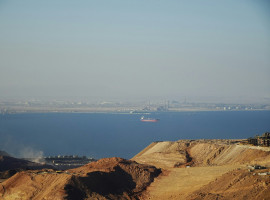
Iran shut the Strait of Hormuz shortly after bombardments by U.S. and Israel triggered the war, disrupting the conduit for what’s typically a fifth of the world’s supply of oil and LNG. The way-point for vessels entering and exiting the Persian Gulf remains heavily impeded, with crossings only a small fraction of prewar levels.
Map source: Global Energy Infrastructure