Summary
- Prices at three-month lows, but above pre-war levels
- Some analysts expect Hormuz flows to resume in several weeks
- U.S. is using an Iranian smuggling tactic to sneak oil out of the Gulf
June 16 (Reuters) – Oil prices fell more than 2% on Tuesday to a fresh three-month low as markets weighed prospects for a resumption of supplies through the Strait of Hormuz alongside weaker physical demand and scant details on a preliminary deal to end the Iran war.
Brent crude futures were down $2.02, or 2.4%, at $81.15 a barrel, by 1059 GMT. The benchmark fell to $80.89 per barrel, the lowest since March 4.
Get the Latest US Focused Energy News Delivered to You! It’s FREE:
U.S. West Texas Intermediate was down $2.22, or 2.8%, at $78.53 a barrel, after dropping to $78.27, the lowest since March 10.
Oil prices sank nearly 5% on Monday after U.S. President Donald Trump announced an interim deal to end the U.S.-Israeli war with Iran, though full details have not been released.
Iranian Foreign Minister Abbas Araqchi said on Tuesday that Iran and the U.S. would start a new round of talks in Switzerland on Friday to reach a final agreement.
“Near-term downside risks remain as the market prices a faster reopening of the Strait and a return of stranded barrels,” Saxo Bank analyst Ole Hansen said.
However, depleted inventories, seasonal demand strength, strategic stock rebuilding and lingering geopolitical uncertainty suggest that the path back to pre-war oil prices may be far less straightforward than current market optimism implies, Hansen said.
INVESTORS EYE STRAIT REOPENING
The conflict led to the closure of the Strait of Hormuz, which typically carries about one-fifth of global oil supplies.
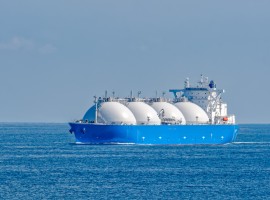
So far, few tankers have crossed the strait since the framework agreement was announced, though ships have been quietly moving barrels along Oman’s coast for weeks, sailing “dark” with U.S. navy support. Shippers are awaiting reassurance on safety to cross the strait, including the clearing of mines.
The U.S. military has overseen scores of secretive ship-to-ship oil transfers to keep Gulf energy exports flowing, using aerial and water drones as well as helicopters in an operation to guide convoys to awaiting tankers.
Early indications suggest the U.S.-Iran deal would reopen the blockaded strait and extend a ceasefire for 60 days, buying time for negotiations on issues including Iran’s nuclear programme.
Some analysts expect flows through the strait to resume soon, adding to downward pressure from already soft physical markets.
A range of indicators has pointed to weakening physical oil markets in recent weeks, Morgan Stanley analysts said in a client note.
Goldman Sachs lowered its fourth-quarter Brent forecast to $80 a barrel from $90 and cut its 2027 average estimate to $75 from $80, saying it now assumes Gulf exports return to pre-war levels by the end of July rather than late August.
China’s crude imports slumped 29% in May to their lowest in eight years, extending a sharp decline for the world’s largest importer, with shipments of Saudi crude also expected to fall in July.
“We did have some weaker-than-expected Chinese data as well, suggesting perhaps that demand from the world’s second-largest economy and one of the top oil consumer nations could be weakening at a time when oil supply is expected to rise again with the easing of restrictions on Iran,” said Fawad Razaqzada, market analyst at Forex.com.
With details still unclear and a permanent truce yet to be secured, analysts say volatility risks remain.
Reporting by Stephanie Kelly in London, Anushree Mukherjee and Pranav Mathur in Bengaluru and Trixie Yap in Singapore; Editing by Clarence Fernandez, Mark Potter and Susan Fenton
Share This:
More News Articles