Iran won’t have to wait for inspectors, certifications, or a long diplomatic victory lap to start earning oil revenue again.
Under the agreement expected to formally end the war between the United States and Iran, Tehran will be allowed to immediately resume oil and fuel sales, according to people familiar with the deal who spoke to the Wall Street Journal. The sanctions relief takes effect as soon as the agreement is signed and extends beyond crude exports to include the banking, shipping, and insurance services needed to move those barrels to market.
That detail may prove to be one of the most consequential parts of the entire agreement.
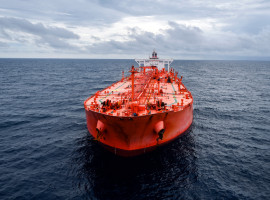
Oil sanctions are only effective if buyers can’t pay, tankers can’t ship, and insurers won’t touch the cargo. By waiving restrictions across the entire supply chain, Washington is effectively giving Iran access to international energy markets from day one rather than months down the road.
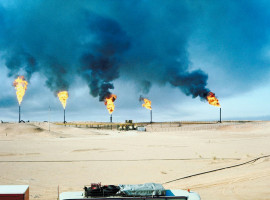
Iran holds some of the world’s largest oil and gas reserves and was producing well over 3 million barrels per day before the conflict. Much of that production has remained constrained by sanctions, infrastructure limitations, and wartime disruptions. The prospect of Iranian barrels returning to global markets in meaningful volumes could reshape supply expectations just as consumers and governments remain focused on energy security after months of turmoil in the Middle East.
The move also marks a striking shift in U.S. policy. Washington spent years tightening restrictions on Iran’s energy sector. Now, the Trump administration appears prepared to use oil revenues as a financial incentive to secure a lasting end to the conflict.
The oil could potentially start flowing the moment the ink dries without the expected waiting period.
By Julianne Geiger for Oilprice.com
More Top Reads From Oilprice.com
- ConocoPhillips Set to Become First U.S. Major to Sign Post-War Syria Gas Deal
- Oil Prices Plunge as U.S. and Iran Reach Deal to Reopen Strait of Hormuz
- Russian Governors Rush to Deny Fuel Crisis as Rationing Spreads