By
18 min ago 2 min read
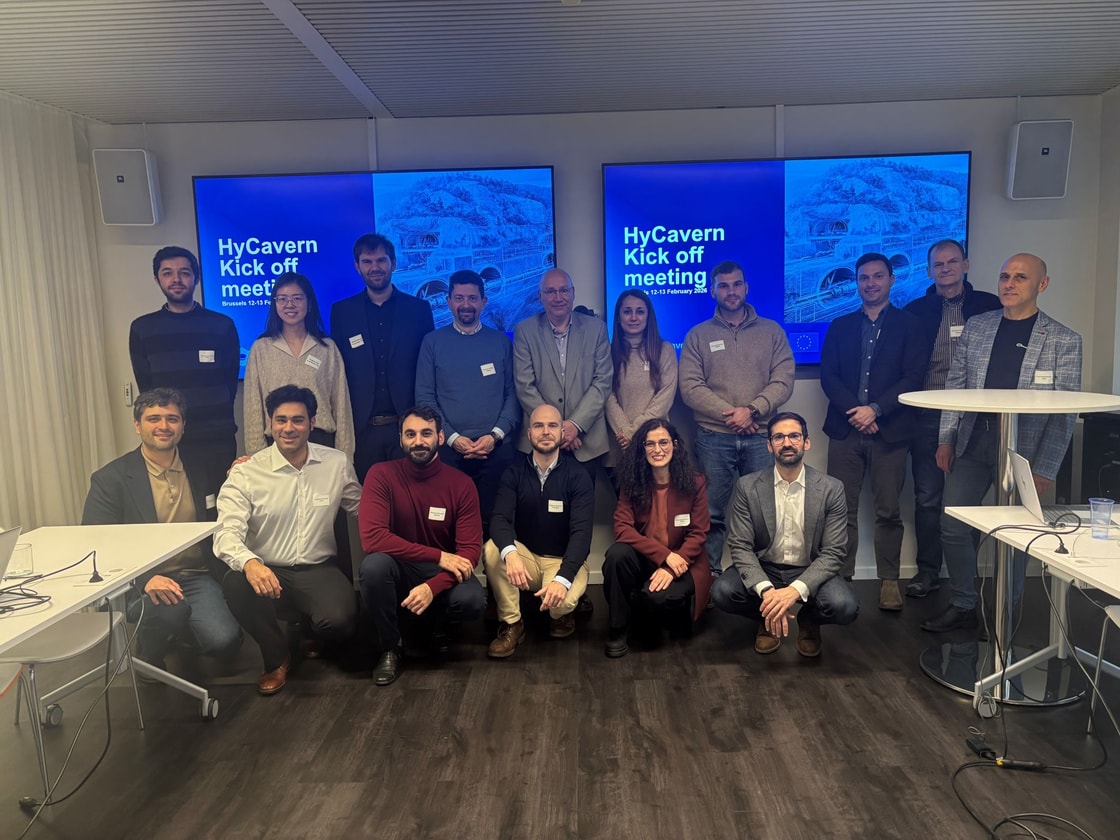
European researchers have launched a three-year R&D project to develop underground hydrogen storage technology for regions without the geology to host traditional gas storage techniques.
The HyCavern project, led by Norwegian research organisation Sintef, aims to develop and generate technology that it hopes could unlock large-scale underground hydrogen storage in regions without salt formations that are widely used in gas storage.
Throughout its duration, the EU-funded project will focus on developing steel liner solutions for mined rock cavern systems and protective coatings to reduce hydrogen embrittlement, fatigue, and leaks.
It will also develop a geographic information system-based site selection toolkit to support deployments across Europe.
The group claims the technology could help overcome barriers to large-scale hydrogen storage across the continent.
So far, underground hydrogen storage has focused on using salt caverns, as with natural gas. This is due to the formation’s gas tightness.
In March, a pilot project in Northwest Germany completed filling a cavern with 90 tonnes of green hydrogen. EWE plans to convert one of its seven in Huntorf, Germany, for hydrogen storage. In 2024, Uniper began salt cavern storage pilot in Krummhörn.
However, salt caverns are geographically concentrated in areas of northern Europe.
“The project aims to unlock storage potential in areas that may not be suitable for conventional underground hydrogen storage, helping to support Europe’s clean energy transition,” Sintef said in a statement.
Large-scale storage is seen as critical to Europe’s hydrogen plans, which include large volumes of domestic production and imports which could be fed into cross-border pipelines.
Never miss a hydrogen headline
Hydrogen moves fast – stay on top of it with our daily and weekly briefings.
- Daily: The top five hydrogen stories, straight to your inbox
- Weekly: The week’s biggest news, features, interviews and analysis
- North American Bulletin: Dedicated coverage of the region’s key hydrogen developments