

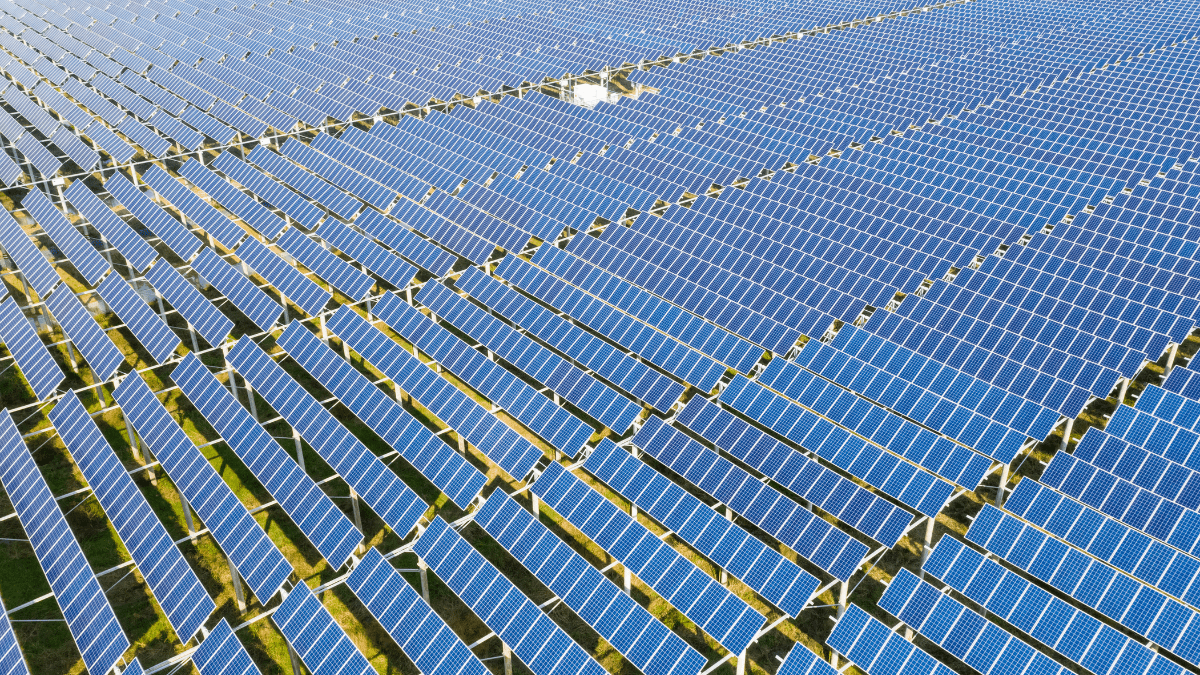
Chrysalis Renewables LP, a global renewable energy investment platform established by US$30 billion infrastructure investor Morrison, has acquired the Atlas V and Atlas VI solar projects in the United States, marking the first transaction under its strategic partnership with Hanwha Renewables LLC.
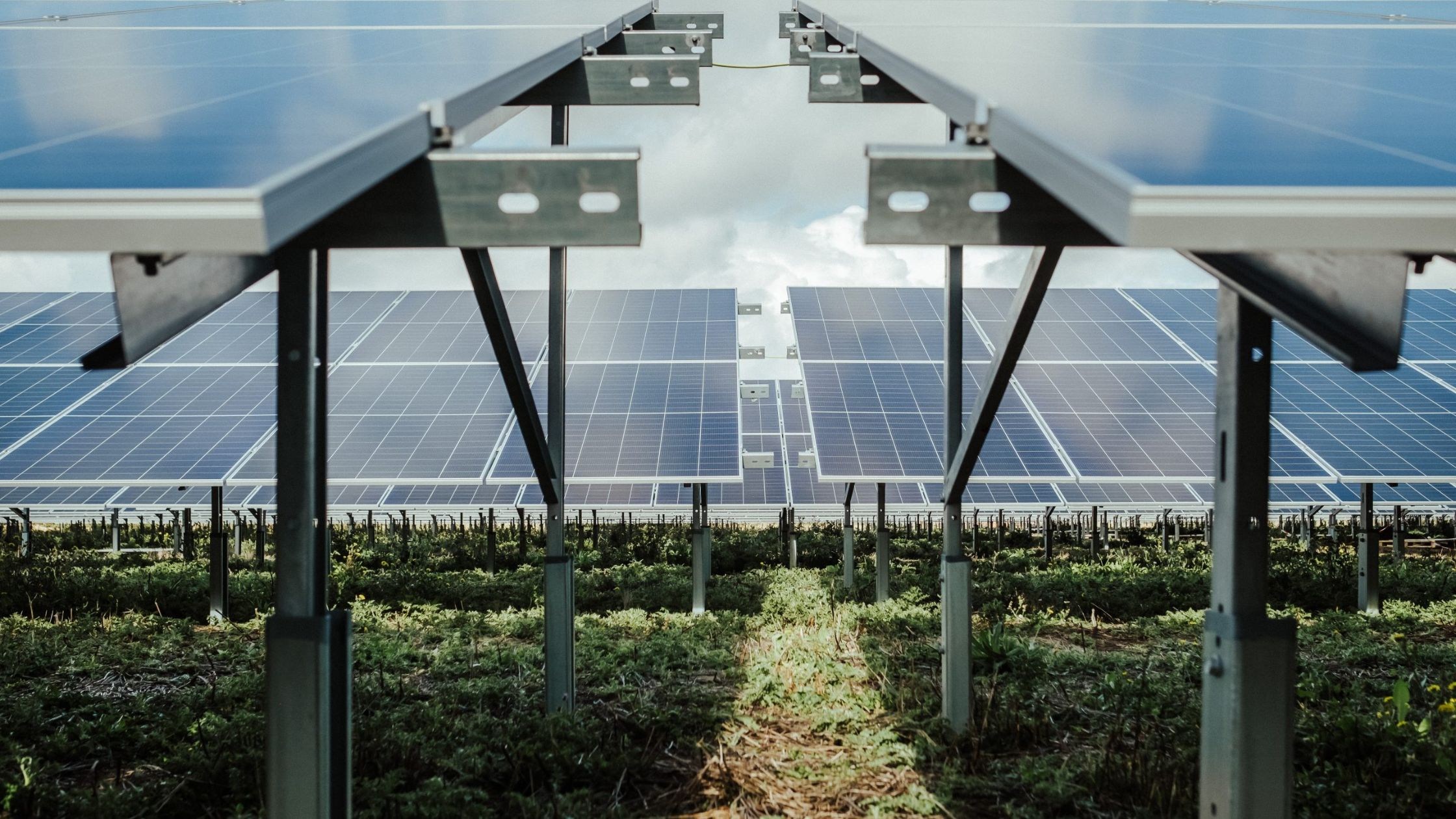
The acquisition covers approximately 357 MWdc of solar capacity and forms part of the multi-phase Atlas Energy Park development in La Paz, Arizona—one of the largest utility-scale renewable energy clusters in the United States. Both projects are in the final stages of commissioning and are expected to enter commercial operation in the coming months.
Morrison, a global infrastructure investment manager with a portfolio spanning energy transition, transport, and digital infrastructure assets, established Chrysalis Renewables as a dedicated platform to scale investments in high-quality renewable energy assets across key international markets. The platform focuses on acquiring construction-ready and operational projects to accelerate deployment while maintaining disciplined risk-adjusted returns.
The transaction represents the first execution under the Chrysalis–Hanwha partnership announced in February 2026. The collaboration is structured to create a repeatable mergers and acquisitions framework, enabling Chrysalis to acquire renewable assets developed by Hanwha that meet predefined investment criteria. In return, Hanwha provides integrated development and delivery capabilities across the entire project lifecycle.
These capabilities include project development, engineering, procurement and construction (EPC), solar module supply, asset management, and long-term operations and maintenance (O&M), positioning Hanwha as a vertically integrated clean energy solutions provider.
The Atlas V and Atlas VI projects are supported by 15-year “busbar” Power Purchase Agreements with Southern California Edison, with electricity delivered into the California Independent System Operator (CAISO) market. The long-term contracts provide revenue visibility and underpin the financial stability of the assets.
The projects also feature domestically manufactured solar modules supplied by Qcells, a subsidiary of Hanwha Group, produced at its Georgia manufacturing facility. Qcells is additionally responsible for EPC execution, reinforcing the integrated supply chain approach and reducing exposure to global trade and tariff risks.
According to Morrison Partner Gordon Hay, the acquisition marks a significant milestone for Chrysalis, increasing its total generation capacity to approximately 700 MW and strengthening its regional footprint in North America. He noted that the partnership enhances portfolio diversification and provides access to de-risked renewable assets supported by strong development and execution capabilities.
Hanwha Renewables Chief Investment Officer Rich Chung highlighted that the transaction demonstrates the strength of Hanwha’s integrated renewable energy platform, which spans the full value chain from development to long-term asset management. He added that this model is increasingly important in a market that demands supply chain certainty, execution capability, and alignment with institutional capital.
Under the partnership framework, Chrysalis plans to deploy more than 3.5 GW of solar and battery energy storage systems (BESS) across North America in the initial phase, with potential expansion into additional markets including Japan, Australia, and Italy.
The deal reflects a broader industry trend toward vertically integrated renewable investment platforms, combining institutional capital, development expertise, and manufacturing-backed EPC capabilities to accelerate large-scale clean energy deployment while reducing project execution risk.
Subscribe to get the latest posts sent to your email.






)