By
38 min ago 3 min read
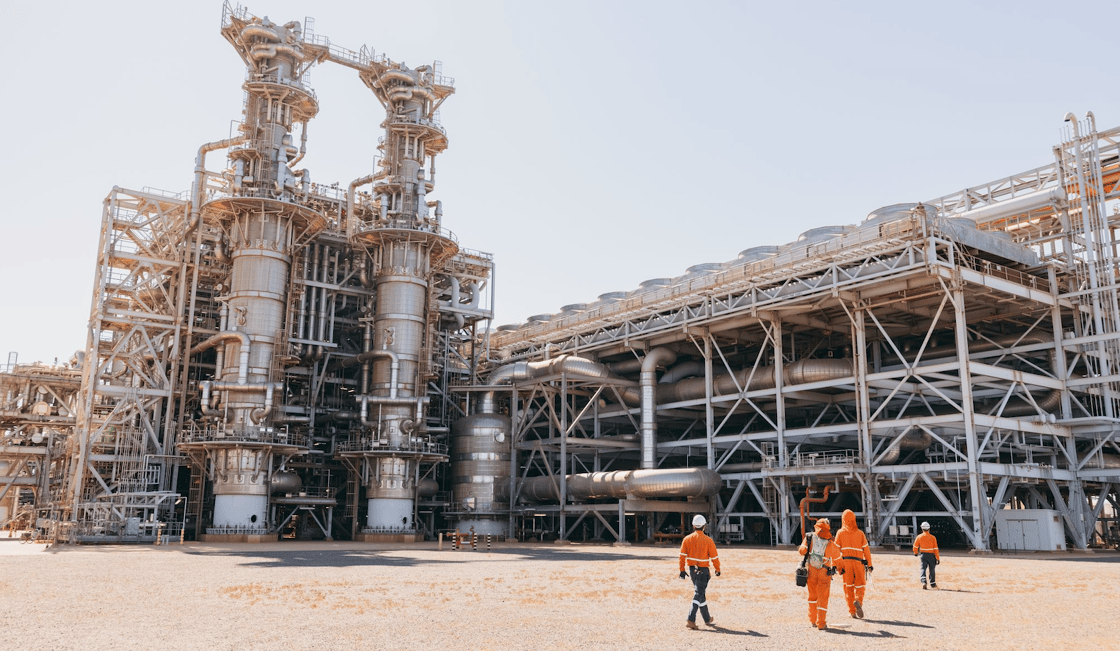
AI-adopting LNG producers could save up to $80bn a year by 2050, according to new research from Honeywell and MIT Center for Sustainability Science and Strategy.
AI will unlock faster project construction, predictive maintenance, real-time quality control, and the use of digital twins, which can compound gains while improving product quality and reducing downtime.
Ken West, President and CEO of Honeywell Process Technology, said meeting the world’s growing energy needs will require both investment in new technologies to broaden feedstock options and more efficient use of today’s energy infrastructure.
“The MIT analysis highlights the significant cost-reduction opportunities AI-enabled technologies can unlock in fuel production, which is top of mind for consumers and policymakers alike as we navigate increasingly complex geopolitical dynamics,” he said.
Interview:
The IEA projects on-site gas fired generation for data centres will grow more than 200% between 2025 and 2030, from roughly 5 GW to up to 27 GW, primarily in the US.
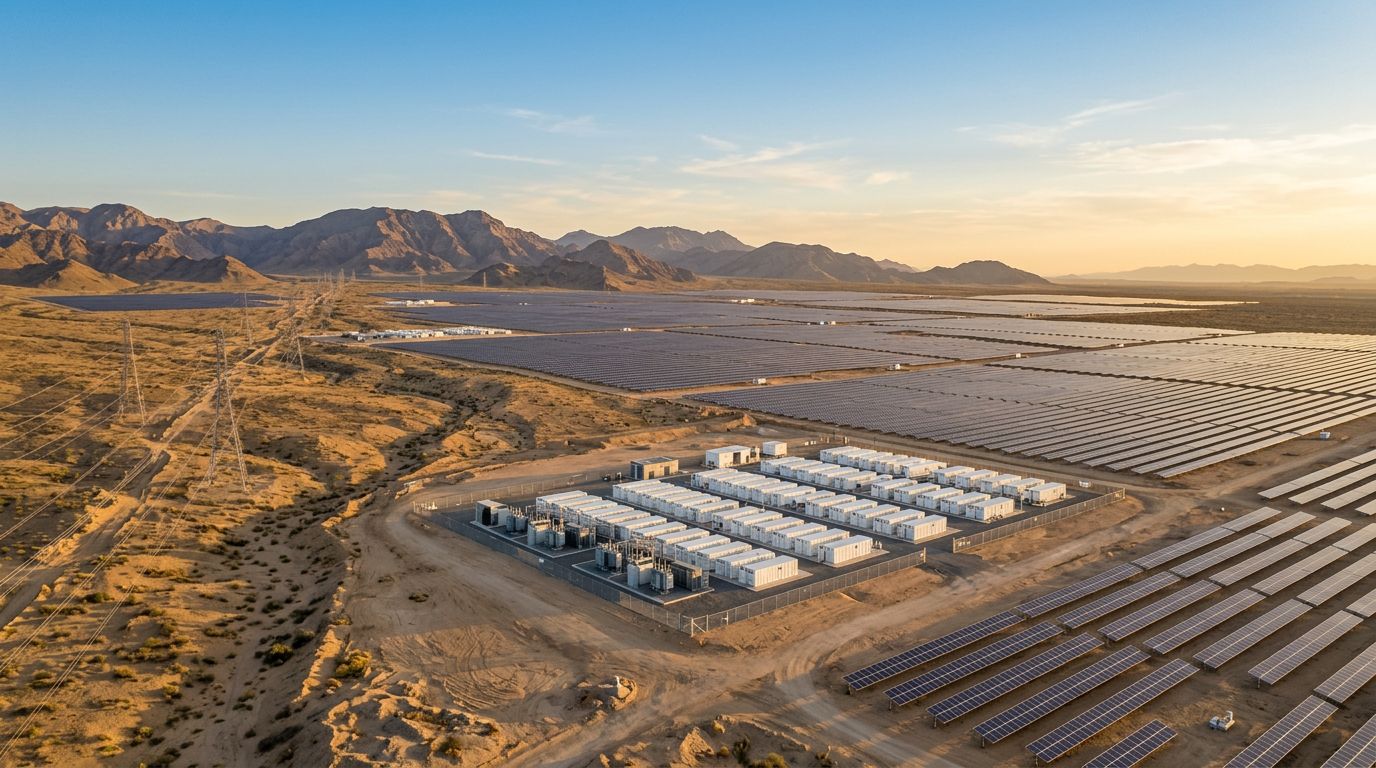
The rapid expansion of AI-driven data centres and a wave of industrial reshoring are driving a . Technologies need to scale quickly and securely without impacting the grid or raising costs.
Emerging fuel-cell-based systems can be deployed faster and produce high-concentration CO₂ streams that reduce the cost, complexity and energy consumption of carbon capture, the report stated.
While nuclear power options through utility scale plants and small modular reactors have been gaining attention, long lead times to technology readiness and permitting limit their ability to meet near-term demand.
Another challenge is that as energy systems become more interconnected and automated, securing these assets becomes inseparable from securing the energy supply itself. In 2025, ransomware groups with reach into OT environments increased 49% with deliberate attempts to disrupt energy operations, the report found.
Technology is also essential to foster energy diversification, both in terms of feedstock diversity and in strengthening energy security globally.
The report also calls on sustaining US competitiveness in alternative fuels by extending clean fuel production incentives and supporting clean hydrogen production.
This means maintaining Section 45Z clean fuel production incentives for low-carbon transport fuels, and finalising implementation rules, and supporting clean hydrogen production through the 45V credit and the Department of Energy (DOE) Regional Hydrogen Hubs program, which has been under the Trump administration.
Under Section 45V of the Inflation Reduction Act, projects can claim up to $3/kg of hydrogen, with credit levels tied to carbon intensity calculated through a dedicated lifecycle emissions model.