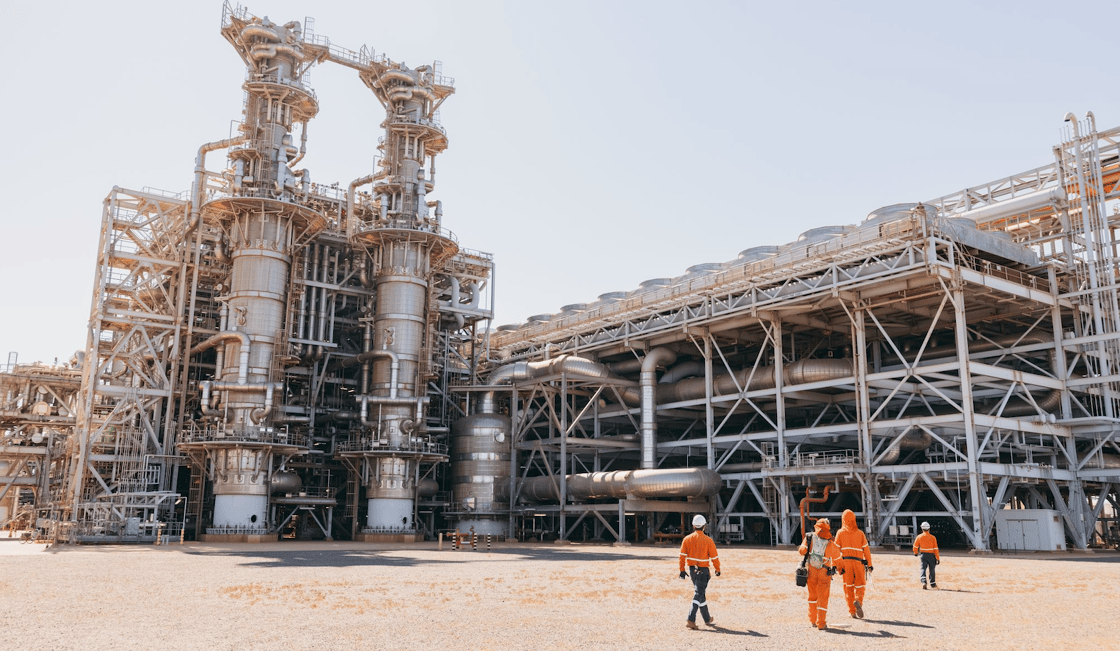
China’s largest domestic helium supplier, Guangzhou Guanggang Gases & Energy, has disclosed it is working with the Chinese Academy of Sciences to develop the country’s first underground helium storage project, according to a report from an Asian tech platform.
The initiative forms part of China’s broader efforts to strengthen supply security for critical industrial gases as geopolitical disruption continues to tighten global helium markets, with spot prices reportedly doubling.
The announcement also comes as helium costs continue to rise across Asia. Earlier this month, Nippon Sanso said it would across its helium product portfolio by an average of more than 30% from July 2026.
China has long been heavily dependent on imported helium. As of 2023, it relied on imports for more than 95% of its supply, according to the Chinese Academy of Sciences.
The situation may have improved following the start-up of a new helium production facility in Ningxia, but most estimates suggest China still imports more than 85% of its helium requirements.
Before the closure of the Strait of Hormuz earlier this year, more than half of China’s helium imports originated from Qatar. China is also importing around 38 million cubic feet of helium from Russia each month.
China does produce its own helium but in relatively small quantities. The country generates around 4.6 million cubic metres of helium per year, less than 15% of its total demand.
Guangzhou Guanggang Gases & Energy said it has already pre-positioned liquid helium cold boxes and transport equipment in the Middle East. Once Qatari helium plants return to full production, the company said it is ready to begin shipments immediately to replenish the Chinese market.
The country’s expanding role in the global helium trade was discussed at the gasworld Specialty Gas Summit earlier this month. AKAP Energy’s Anish Kapadia explained that China is from Russia before re-exporting volumes into international markets.
Russia is unable to directly export helium into Europe due to sanctions imposed following its invasion of Ukraine in 2022.
“And those sanctions also prevent some other countries who are worried about breaching European sanctions or US sanctions from buying Russian helium,” he said.
In response to Gulf supply cuts, China to add 250 mmcf a year of domestic helium production capacity, while Russia plans to add 700 mmcf per year from the third year of 2026.
“There’s a lot of growth in China overall, and we think that’s going to translate into the market.”
Electronic-grade helium for chipmaking
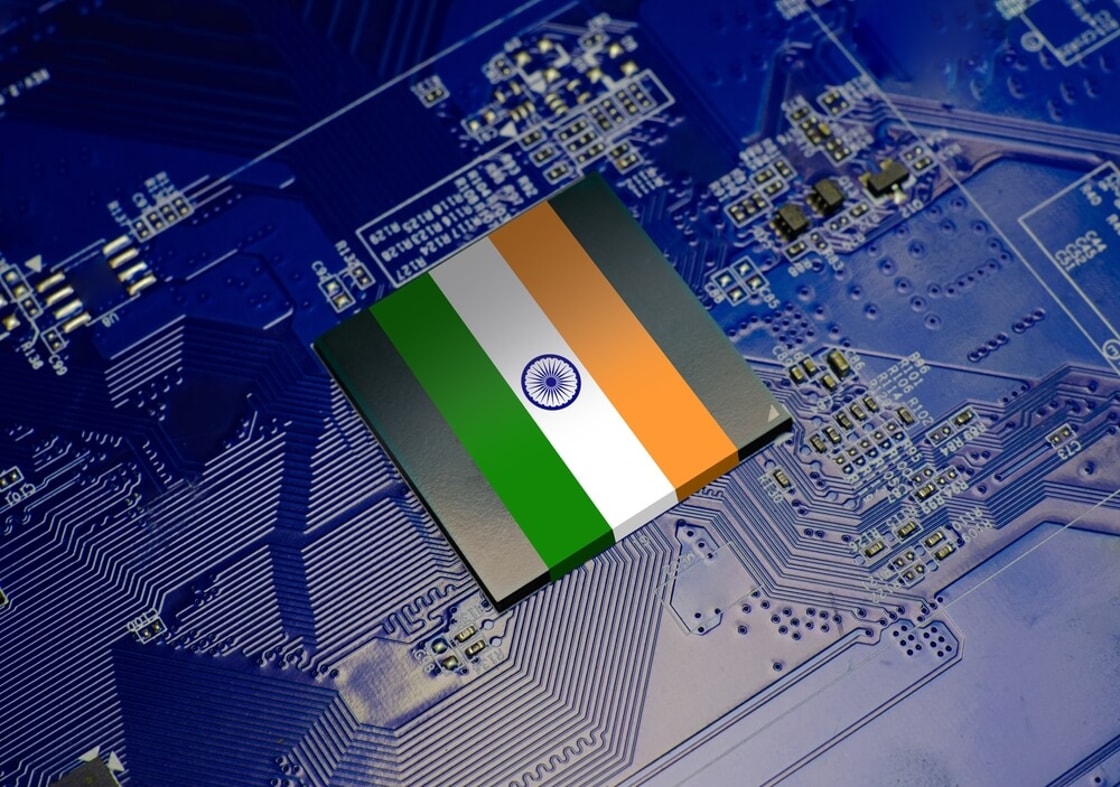
Much of that growth is expected to come from China’s rapidly expanding semiconductor sector, one of the largest consumers of ultra-high-purity helium.
DigiTimes Asia reported that Guangzhou Guanggang Gases & Energy can purify 5N-grade feed gas to 9N, parts-per-billion electronic-grade helium. The company currently supplies 11 semiconductor fabrication plants producing 12-inch wafers across China.
China has continued to accelerate its pursuit of domestic semiconductor self-sufficiency despite mounting US trade restrictions.

China built 18 semiconductor fabs in 2024 ©Intel
In 2022, the US implemented the CHIPS and Science Act, effectively blocking exports to China of extreme ultraviolet lithography systems produced by ASML.
Because EUV systems are needed to manufacture advanced semiconductors at 7nm process nodes and below, the restrictions were designed to slow China’s progress.
However, the sanctions appear to have accelerated domestic investment. China now builds, designs or sources at least 23% of its semiconductor manufacturing equipment domestically, up from 8% in 2021, with that figure projected to reach 39% by 2030.
The Center for Strategic and International Studies estimates that around $150bn in public-sector funding had been directed towards China’s semiconductor industry through the first half of this year.
According to Nikkei, as of February this year, three Chinese companies, Naura Technology Group, Advanced Micro-Fabrication Equipment China and Shanghai Micro Electronics Equipment, had entered the global top 20 semiconductor equipment manufacturers.