The new facility at the Indira Gandhi Centre for Atomic Research (IGCAR) in Kalpakkam, Tamil Nadu, was inaugurated by Ajit Kumar Mohanty, Secretary and Chairman of India’s Atomic Energy Commission. It integrates the hydrogen production technology developed by the Department of Atomic Energy’s (DAE) Bhabha Atomic Research Centre with IGCAR’s advanced fast reactor expertise.
“The successful integration of nuclear process heat with hydrogen generation marks a pioneering technological breakthrough and opens a promising pathway for large-scale, carbon-free hydrogen production using advanced nuclear reactors,” the Department of Atomic Energy said.
Hydrogen is widely regarded as a key energy carrier for future energy systems and is expected to play a pivotal role in the global transition towards clean and sustainable energy systems – provided it can be made without carbon emissions. Industrial production of hydrogen is currently dominated by steam-reforming methane from fossil fuels, and electrolysis (splitting water with electricity): according to information from the International Energy Agency, less than 1% of the global production of 97 million tonnes in 2023 was low-emissions hydrogen, although in its 2024 review of hydrogen production, the agency said low-emission hydrogen could reach 49 million tonnes per year by 2030.
_8abe4371.jpg)
(Image: Department of Atomic Energy)
Thermochemical production of hydrogen involves separating water into hydrogen and oxygen through a series of chemical reactions at high temperatures. The copper-chlorine – or Cu–Cl – thermochemical cycle is considered one of the most promising ways of producing hydrogen due to its relatively lower operating temperatures and higher thermodynamic efficiency, according to DAE. “By harnessing nuclear heat from fast reactors, the process significantly reduces dependence on fossil fuels and eliminates greenhouse gas emissions associated with conventional hydrogen production methods,” the Department said.
The Fast Breeder Test Reactor – also known as the FBTR – is a sodium-cooled test reactor which first started up at the Indira Gandhi Centre for Atomic Research in 1985, gradually increasing its power to 32 MW (thermal) in 2018 before finally reaching its nameplate capacity of 40 MWt in 2022. The reactor has an underpinning role in India’s preparation for a thorium-based closed fuel cycle.
The commissioning of the facility represents the culmination of extensive research, process development, engineering design, equipment fabrication, installation, testing and commissioning efforts undertaken jointly by the Bhabha Atomic Research Centre and the Indira Gandhi Centre for Atomic Research , DAE said. It will provide operational experience, facilitate further optimisation of the Cu–Cl process, and support future research aimed at scaling up nuclear-assisted hydrogen production technologies for commercial deployment. Nuclear-coupled hydrogen production features in India’s nuclear energy strategy: a 5 MWt high temperature gas cooled reactor that could be coupled with thermochemical hydrogen production is currently being developed, with a lead unit proposed for construction at Bhabha Atomic Research Centre’s Vizag R&D campus in Andhra Pradesh.
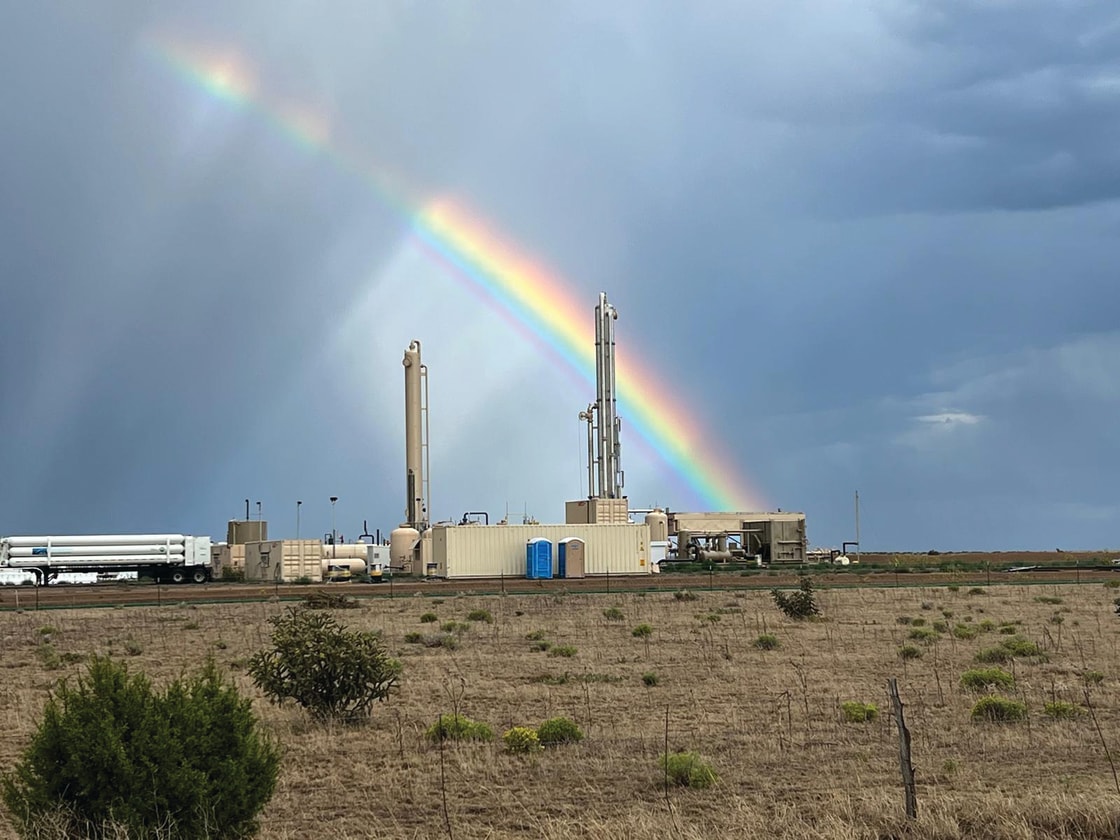
_d9caa5bc.jpg)
IGCAR (Image: DAE)
“The integration of nuclear energy with emerging clean energy technologies such as hydrogen production represents a strategic pathway towards a sustainable energy future,” Mohanty said at the inauguration of the new facility. “Nuclear power, with its unique ability to provide reliable carbon-free electricity as well as high-temperature process heat, is ideally suited to support large-scale hydrogen production while contributing to India’s energy security, decarbonisation goals and long-term sustainable development objectives. I congratulate the scientists, engineers and technical teams of BARC and IGCAR whose sustained dedication, innovation and technical excellence have transformed an advanced scientific concept into an operational reality. This achievement is a testament to India’s growing capabilities in advanced nuclear technologies and clean energy systems.”
“Nuclear power is not only a source of reliable, round-the-clock, carbon free electricity. It is also a powerful enabler of strategic technology that can support India’s clean energy transition,” Mohanty said in .