The Kerala State Electricity Regulatory Commission (KSERC) has approved a request from the Kerala State Electricity Board Limited (KSEBL) to purchase short-term electricity to meet the state’s growing power demand during peak hours. The order, issued on June 29, 2026, allows KSEBL to procure power through the central DEEP portal between July and December 2026, excluding September, to prevent electricity shortages and maintain a stable power supply.
Under the approved plan, KSEBL will purchase 308.43 million units (MU) of electricity at a total estimated cost of ₹282.50 crore. The Commission, however, expressed concern over the high price of this power. The average procurement cost is ₹9.16 per unit, which is almost double the average rate of ₹4.64 per unit approved in the Multi-Year Tariff Order for the 2026-27 financial year. KSERC cautioned that continued procurement at such high prices could put additional financial pressure on KSEBL and eventually increase the burden on electricity consumers.
The power will be sourced from four suppliers—Manikaran Power Limited, Jindal Power Limited, Shree Cement Limited, and PTC India Limited. The Commission approved the purchase because of the urgent need to meet electricity demand during the coming months.
KSEBL informed the Commission that the state is facing a serious shortage of hydroelectric generation due to low water availability in reservoirs. According to the utility, reservoir storage has fallen to only 21 percent, compared to 60.93 percent during the same period last year. The situation has become more challenging because weather forecasts indicate a below-average monsoon. In addition, KSEBL has to return a large quantity of electricity borrowed through power banking arrangements during the previous summer, increasing the need for additional purchases.
While granting approval, KSERC criticized KSEBL for delays in submitting its petition after completing the bidding process. The Commission also noted that the utility initially failed to provide important documents, including the Load Generation Balance (LGB) statements and details of the financial impact of the proposed procurement. The Commission stressed that such delays and incomplete submissions should not be repeated in the future.
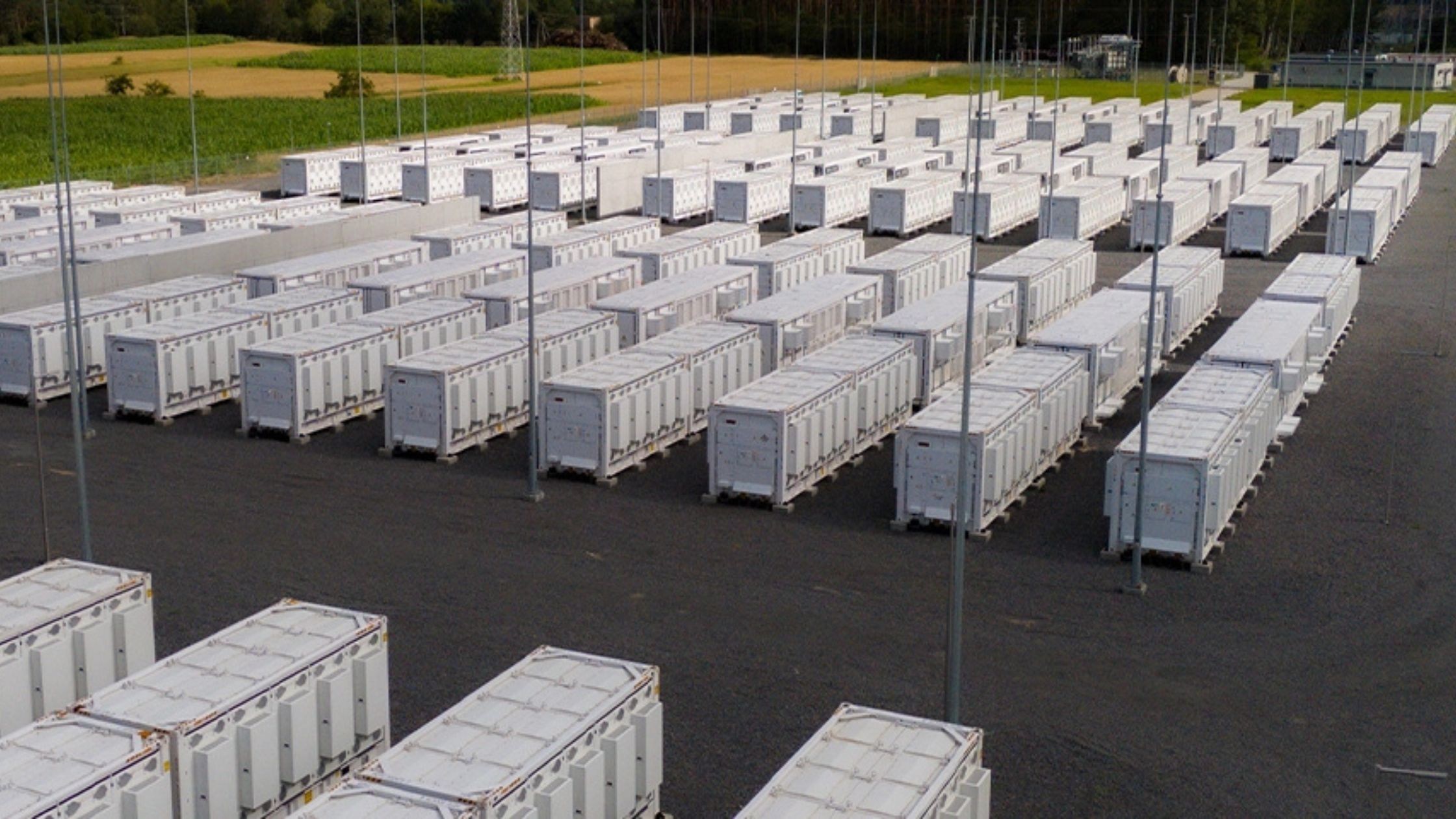
KSERC also observed that the current power shortage could have been reduced if the planned Battery Energy Storage System (BESS) projects had progressed as scheduled. Projects at Mylatti, Sreekantapuram, and Pothencode are facing delays. To improve project execution, the Commission directed KSEBL to appoint dedicated officers to monitor each BESS project and publish weekly progress reports on its website.
To improve transparency, KSERC instructed KSEBL to publish daily details of all short-term and power exchange purchases, including the quantity and cost, on its website. The utility has also been directed to strengthen its Demand Side Management campaigns through social media and encourage consumers to reduce non-essential electricity use between 6:30 p.m. and midnight.
The Commission further ordered that if emergency cyclic load shedding becomes necessary, KSEBL must inform consumers at least one hour in advance through SMS, print media, and television. It also advised the utility to reduce scheduling of expensive contracted power during periods of lower demand caused by heavy monsoon conditions or consider inter-state power banking to minimize unnecessary costs.
Subscribe to get the latest posts sent to your email.