By
24 min ago 3 min read
Energy major Shell forecasts a 65% increase in global liquefied natural gas demand to nearly 700 million tonnes per year by 2050.
But the Middle East crisis underlines how geopolitical events can unexpectedly impact .
After 422 million tonnes of LNG were traded in 2025, volumes were expected to rise significantly this year – but the closure of the Strait of Hormuz has cut off around a fifth of the world’s LNG supply, as well as around a third of global helium supply.
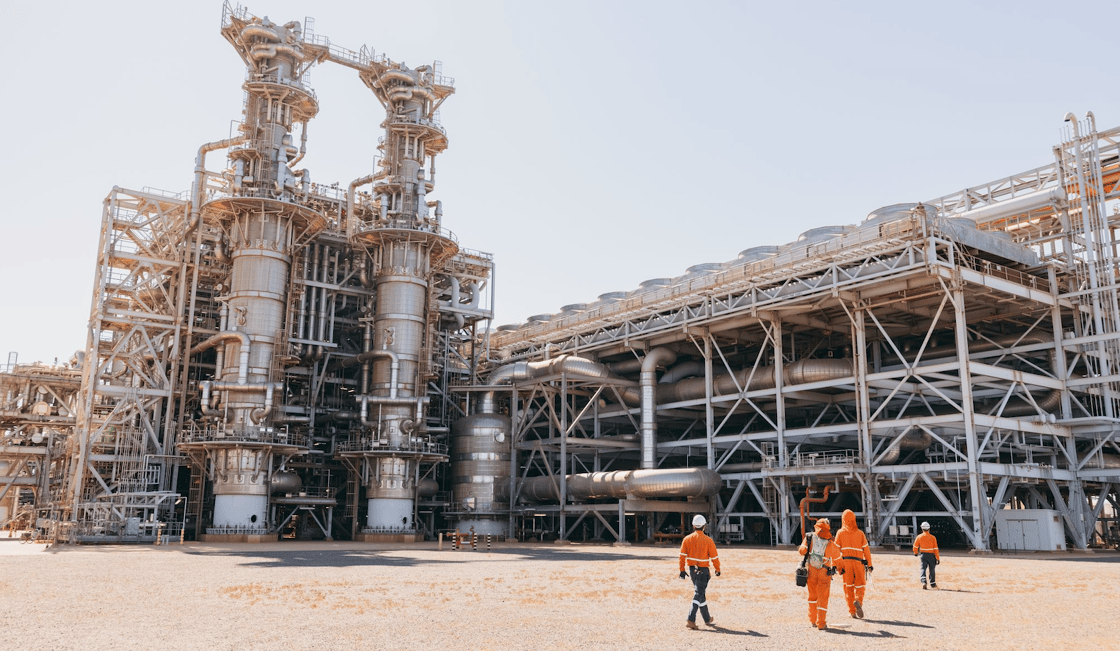
have also highlighted the precarious situation and Shell expects at one of two LNG trains that make up the world’s largest gas-to-liquids plant in Qatar.
However Shell anticipates total LNG trade for this year could be similar to last year if shipping through the strait returns to normal this summer, before returning to growth in 2027.
Cederic Cremers, President of Integrated Gas at Shell, said the conflict created a system-wide shock with disruption cascading across all segments of the economy, but the LNG industry has proved resilient and able to adapt to changing market conditions.
“While more investment in both supply and demand infrastructure is needed, the long-term outlook remains strong and LNG will continue to be a stabilising force in the global energy system,” he said.
Shell’s positive outlook comes as the near-term picture remains volatile. LNG prices are likely to remain come what may in the Middle East crisis, according to Wood Mackenzie forecasts.
Shell foresees around 180 million tonnes of annual new supply is forecast to enter the market by 2030, improving the availability and affordability of gas and opening up demand in new markets.
However, the ability to benefit from new supply will depend on the availability of infrastructure in importing countries, including regasification capacity and pipeline connectivity, especially in south and southeast Asia.
Shell’s forecasts show that those regions will account for around 40% of global LNG imports by 2050 to meet rapidly growing demand for energy with lower emissions than coal. In more mature Asian markets such as Japan, are emerging as a new source of power demand.
Emerging segments of demand are also growing rapidly. According to forecasts, LNG bunkering will grow seven-fold to 27 million tonnes by 2035, more than the amount of LNG imported by India last year.
“LNG will continue to have a vital role to deliver energy security to Europe, to balance intermittent renewables as domestic gas production declines,” the outlook concludes.
“To meet the growing demand, significant additional investment will be needed in new LNG liquefaction plants through the 2030s and 2040s, with around 200 million tonnes a year of new supply needed, in addition to projects already under construction.”
The outlook is likely to reignite the debate over LNG’s dominance in the energy mix and whether renewables and green fuels should be fast-tracked to meet climate targets.
While LNG is promoted as a cleaner-burning ‘bridge’ fuel compared with coal or traditional marine fuel oil, it is a fossil fuel , a greenhouse gas that is roughly 80 to 85 times more powerful than CO₂ at trapping heat over a 20-year period.