By
1 hour ago 3 min read
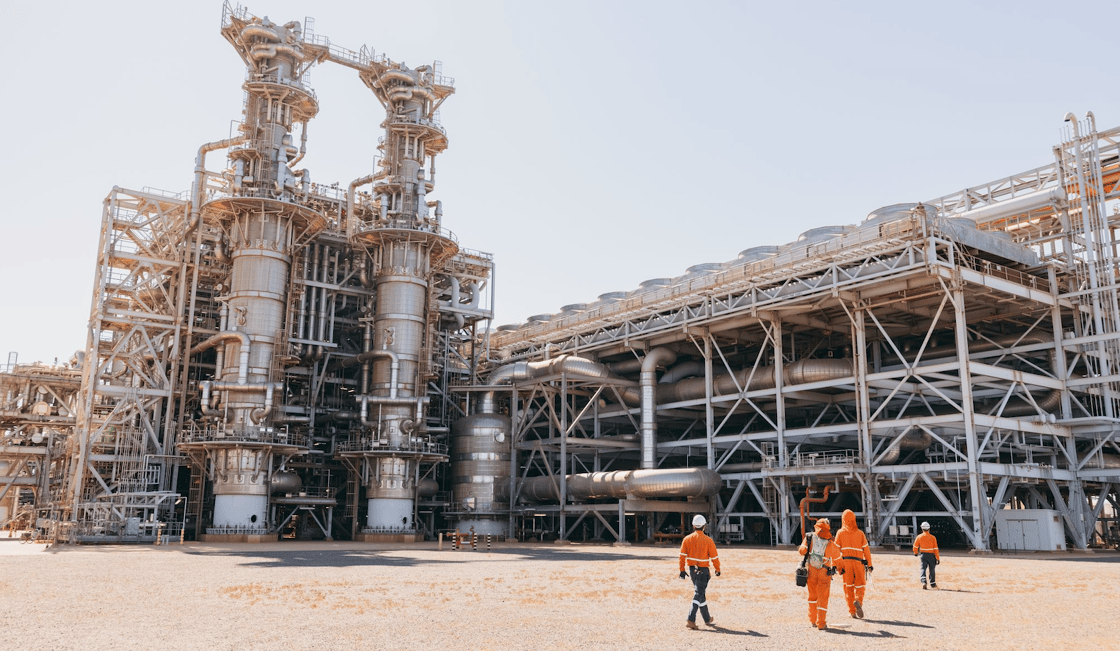
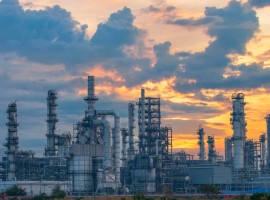
State-owned petroleum company QatarEnergy has partially restarted production at its Helium2 plant, though experts say the pace of a wider recovery will depend on the resumption of liquefied natural gas (LNG) exports through the Strait of Hormuz.
Observers say the partial restart follows the return to operation of “some” LNG trains.
“There is no official word yet on the quantity of helium that is being produced, but, for the time being, it is believed to be less than 30% of Helium2’s normal capacity,” said an industry expert
This is likely around 25%, as QatarEnergy is currently using one of four fill bays.
The restart marks an early step towards restoring Qatar’s helium output after recent disruption to LNG operations, although production is expected to remain well below normal levels until all 12 of the undamaged LNG trains are back in operation.
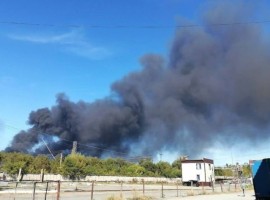
Qatar’s helium restart suffered an extra setback earlier this month when an rocked the Barzan gas processing facility – a plant that provides feed gas to QatarEnergy’s Helium3 plant, which exclusively supplies Air Products.
Despite the announced earlier this year, QatarEnergy LNG never “fully ceased” production, aside from a brief period immediately following the strikes.
Over recent months, the operator has rotated production between LNG trains to maintain asset readiness and integrity while avoiding costly well workovers.
However, experts caution that restarting liquefaction trains has never been the primary challenge. Instead, the main bottleneck is expected to be rebuilding the LNG export supply chain and ensuring the safe movement of vessels through the Strait of Hormuz.
“It is unlikely that QatarEnergy LNG would bring all liquefaction trains back to full production without sufficient confidence that safe and reliable passage through the Strait of Hormuz has been restored,” said an LNG specialist.
While LNG trains can be restarted within days, restoring exports will depend on confidence that shipping through the strait can resume safely. Until then, any increase in helium production is likely to remain limited.
It was noted that estimates suggesting lengthy restart times for Qatar’s LNG trains are overstated, with cooldown periods measured in hours rather than days or weeks.
And recent operations have demonstrated that liquefaction capacity can be restored relatively quickly once conditions allow.
Last week, the Qatari Prime Minister that the Gulf state is expected to resume its usual levels of LNG production “within a few weeks.”