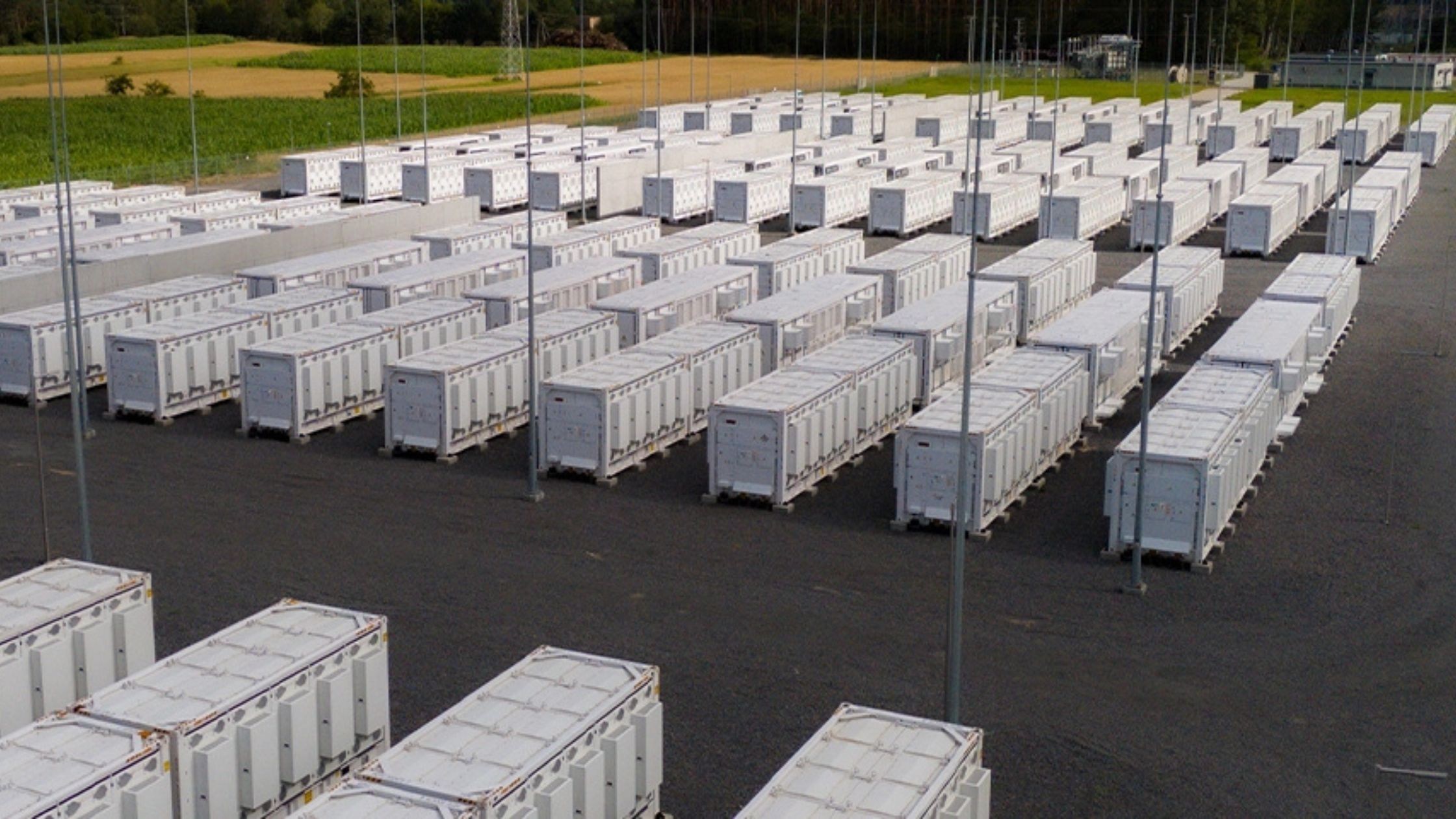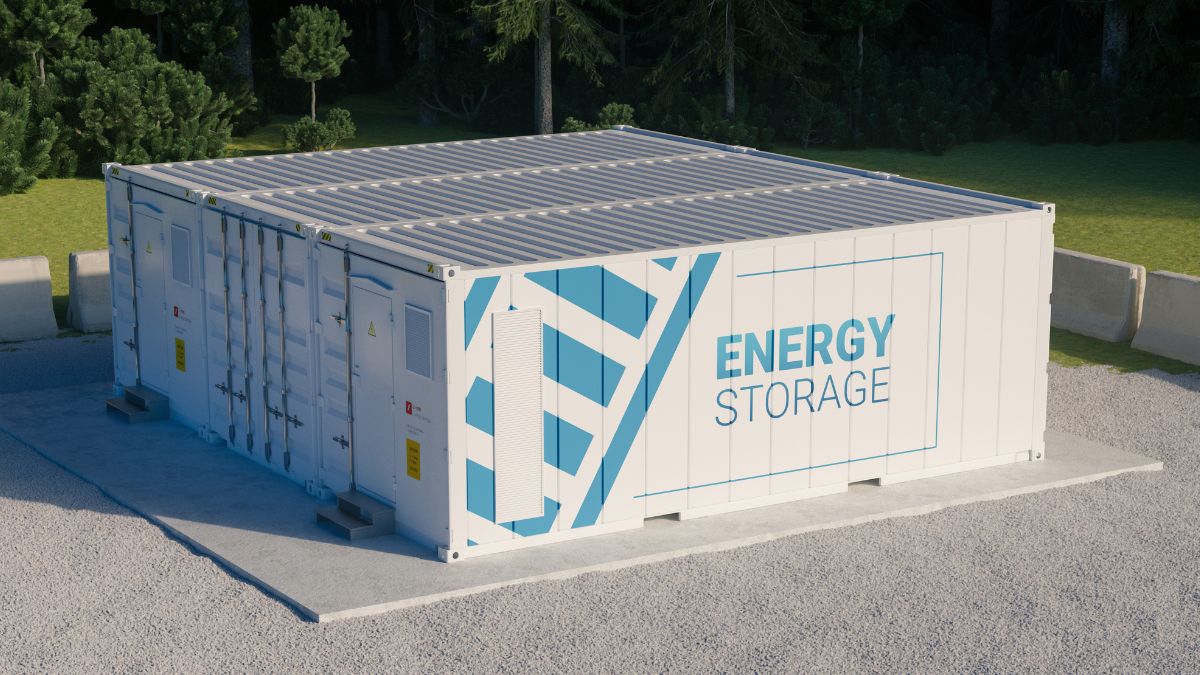
The Andhra Pradesh Electricity Regulatory Commission (APERC), under the leadership of Chairman-in-Charge Sri P.V.R. Reddy, has approved seven tripartite Battery Energy Storage Purchase Agreements (BESPAs), marking a major step toward strengthening the state’s power infrastructure. The agreements have been signed between project developers, Andhra Pradesh Transmission Corporation (APTRANSCO), and the three state power distribution companies (APDISCOMs). With this approval, Andhra Pradesh will procure 1,000 MW/2,000 MWh of Battery Energy Storage System (BESS) capacity for a period of 12 years from the commercial operation date of the projects.
The initiative started in 2025 when the state’s distribution companies sought approval to expand battery energy storage under a central government support scheme. As renewable energy capacity, particularly solar power, continued to increase, the need for large-scale energy storage became essential to maintain grid stability. The Ministry of Power later allocated 2,000 MWh of BESS capacity to Andhra Pradesh under the scheme. The projects also received Viability Gap Funding (VGF) support of ₹18 lakh per MWh, helping reduce the overall cost of energy storage and ensuring that the financial benefits are passed on to electricity consumers.
The Andhra Pradesh government appointed APTRANSCO as the nodal agency to conduct the bidding process. The utility carried out a transparent competitive bidding process through the Bharat ETS portal, followed by an electronic reverse auction. The exercise resulted in competitive monthly capacity tariffs ranging from ₹1.48 lakh to ₹1.65 lakh per MW across seven project locations. The selected developers include Bondada Hindupur BESS Project, Brahmasagar Renewables, POWERGRID Energy Services, and other successful bidders.
Before issuing the final approval, APERC invited public comments and conducted a hybrid public hearing on June 10, 2026. During the hearing, several stakeholders raised concerns over the proposed agreements. Senior journalist Sri M. Venugopala Rao and CPI(M) leader Sri Ch. Baburao questioned the decision to sign 12-year contracts, arguing that battery technology costs are falling rapidly and shorter agreements of five to six years could benefit consumers. They also raised questions about differences in tariffs across project locations and expressed concerns over fire and explosion risks associated with battery storage facilities.
After reviewing all objections, the Commission concluded that a 12-year contract is necessary to ensure project viability and attract investment. It stated that shorter agreements would increase project risks and result in higher tariffs for consumers. APERC also explained that battery storage is essential for managing Andhra Pradesh’s growing solar power generation. The batteries will store excess electricity produced during the day and supply it during evening peak demand, helping reduce power wastage, improve grid reliability, and avoid costly electricity purchases from the spot market. The Commission also directed all developers to strictly follow national safety standards for battery storage systems before formally approving the tariffs under Section 63 of the Electricity Act, 2003.
Subscribe to get the latest posts sent to your email.