By
12 min ago 2 min read
Messer has completed the acquisitions of WKS Group and Wipco and signed an agreement to acquire Kobewel, as the industrial gas company looks to capitalise on growing manufacturing and semiconductor demand across Southeast Asia.
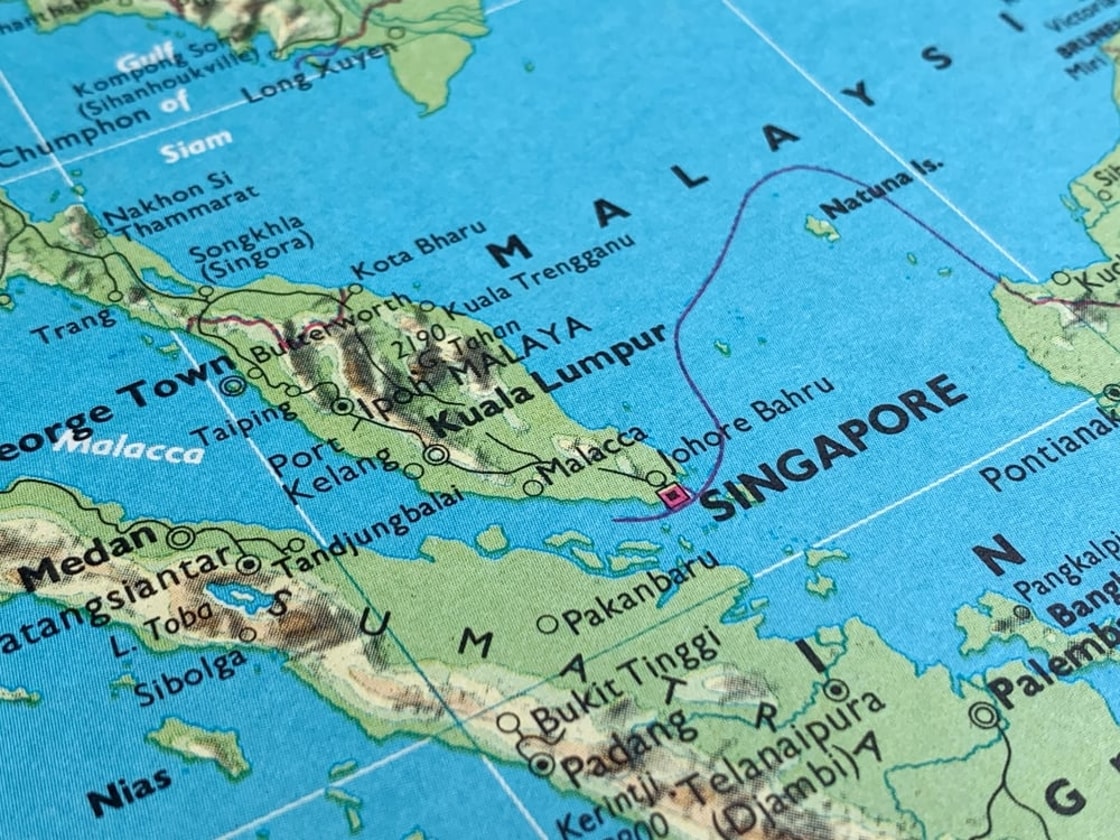
The deals expand Messer’s operations across Singapore and Malaysia, strengthening its packaged gases, acetylene production and distribution network in the region.
WKS Group consists of six companies with a portfolio spanning packaged gas filling stations, dissolved acetylene plants, and a distribution network of welding equipment, cylinder gas depots, and services for the marine and offshore industry.
The acquisition of Wipco will give Messer a foothold in an industrial corridor that serves Malaysia’s growing manufacturing, semiconductor, and electronics sectors.
Under the country’s New Industrial Master Plan 2030, the National Semiconductor Strategy and the Thirteenth Malaysia Plan, semiconductors have been elevated as a ‘high growth, high value’ sector.
From January 2024 to June 2025, Malaysia secured more than $16bn in approved investments under the NSS, with $14.5bn from foreign sources and $1.5bn from domestic investments.
The acquisition positions Messer to tap into that growth through Wipco, which operates a cylinder filling station and a PLC-controlled dissolved acetylene production plant serving customers across the region.
Having signed a deal to buy packaged gases firm Kobewel, Messer aims to consolidate its existing Kuala Lumpur operations with Kobewel’s Sepang facility to create a unified central hub.
According to Messer CEO Peter Mohnen, the deals represent a key milestone towards becoming a leading player in the SEA industrial gases market.
“By combining WKS Group, Wipco and Kobewel’s local expertise with our global capabilities, we are well-positioned to deliver innovative solutions and drive sustainable growth in Singapore, Malaysia, and beyond,” he said.
Messer’s increasing footprint across Asia was reflected in its recent annual report, which revealed that 24% of the company’s €747m investment portfolio was spent in Asia.