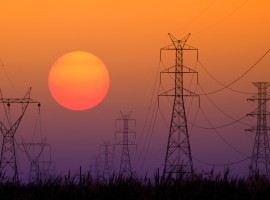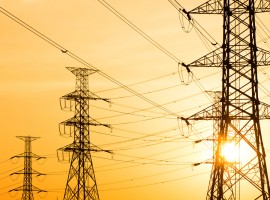
Mali’s National Transitional Council has approved a bill to finance the Bamako North 225 kV Loop Project, a major electricity infrastructure initiative aimed at improving the power supply in the capital city of Bamako and nearby areas. The project is expected to cost around $190 million and is designed to strengthen the country’s electricity network while addressing long-standing power shortages.
Once completed, the project will provide a more reliable electricity supply to Bamako and its surrounding communities. It is expected to connect around 10,000 new homes and small businesses to the national power grid. In addition, it will improve the quality and stability of electricity for about 40 major industrial facilities, helping industries operate more efficiently and reducing disruptions caused by power outages.
Mali continues to face serious energy challenges. In 2023, only 55.8 percent of the population had access to electricity. Access was much higher in urban areas at 86.6 percent, while only 30.4 percent of people living in rural areas had electricity. At the same time, electricity demand in the country is increasing by about 10 percent every year. The existing power system depends heavily on costly imported fuel and aging thermal power plants, resulting in high electricity losses and increasing financial pressure on the government.
The Bamako North 225 kV Loop Project includes several major infrastructure improvements. A new high-voltage transmission line will be built between the Kodialani and Dialakorobougou substations. Two new substations will be constructed in Safo and Kénié, while three existing substations will be expanded to improve network capacity. The project will also install new medium- and low-voltage distribution lines to extend electricity services to growing neighborhoods across Bamako.
The financing for the project comes from several international partners. The African Development Bank Group and its climate funds will provide $68.26 million, accounting for more than 36 percent of the total project cost. The Islamic Development Bank will contribute nearly 33 percent, while the West African Development Bank will finance more than 27 percent. The Government of Mali will provide the remaining 3.6 percent of the funding.
According to Malian authorities and development partners, the project is expected to deliver benefits beyond improving electricity supply. It is expected to create employment opportunities, support local businesses, and strengthen agricultural activities. Officials also highlighted that the project will particularly benefit young people and women by improving access to reliable energy for economic activities. In addition, the upgraded electricity network will make it easier to integrate future renewable energy projects, including planned solar power plants in Kambila and Safo, as well as regional electricity connections with Guinea. Construction of the project is scheduled to begin in the third quarter of 2026, marking an important step in strengthening Mali’s energy infrastructure and supporting long-term economic development.
Subscribe to get the latest posts sent to your email.