Oil remains in a divided market – prices are stabilizing, but upside is capped by demand uncertainty and expected supply increases.
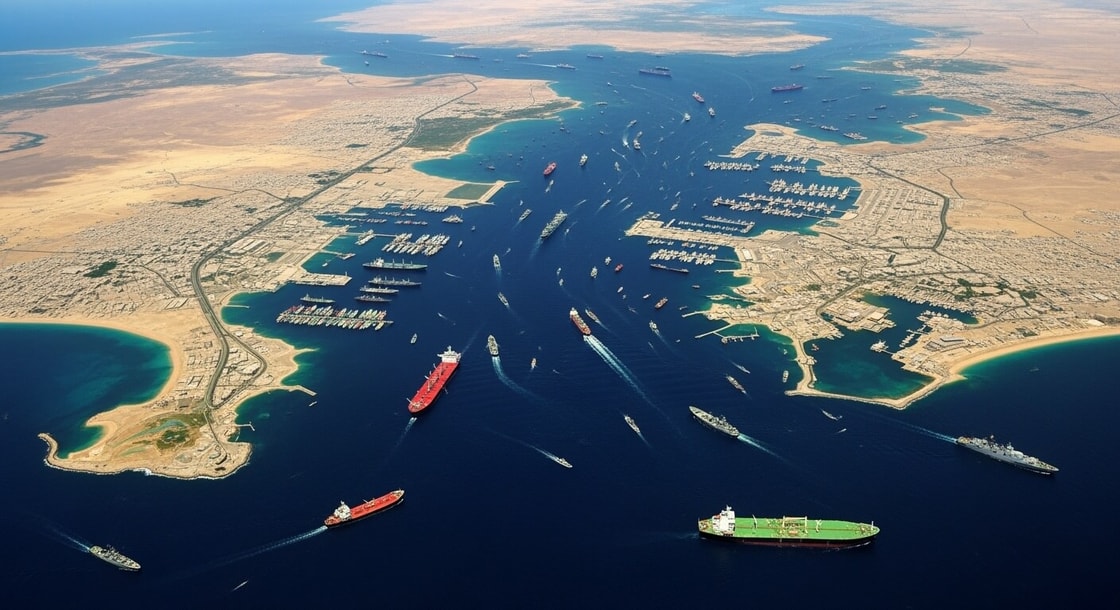
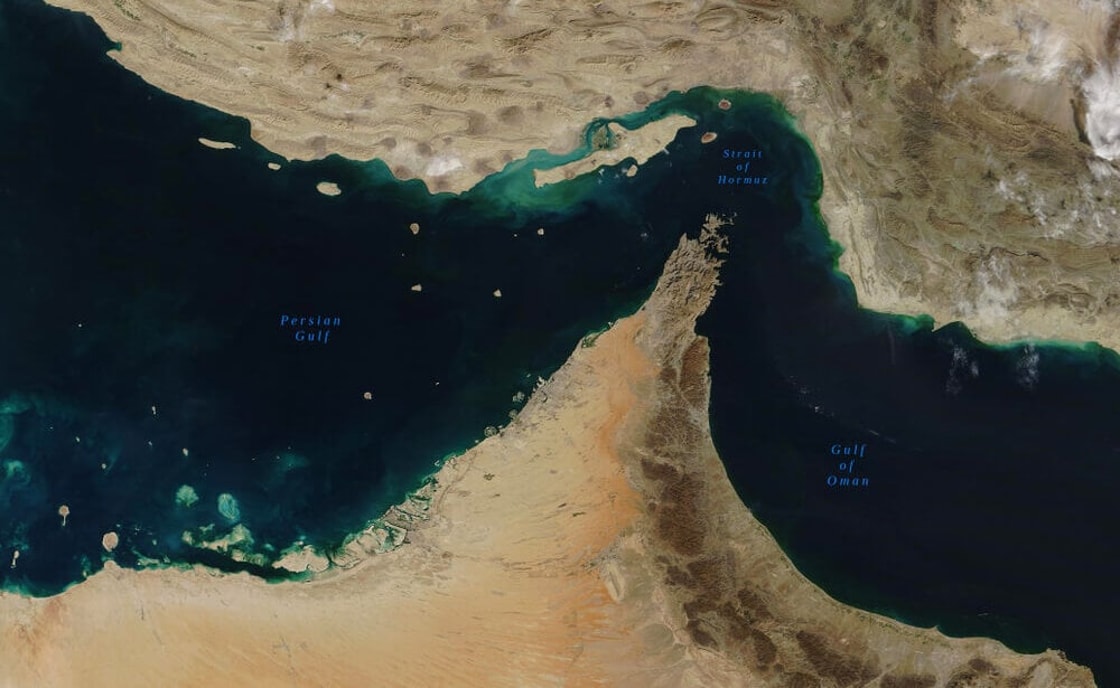
That’s what Waleed Said, Technical Analyst at GivTrade, stated in a market analysis sent to Rigzone on Friday, adding that “short-term support is coming from pre-holiday positioning, supply caution, and softer rate-hike expectations, while easing Middle East risk and improved tanker movement through the Strait of Hormuz are reducing the geopolitical premium”.
In the analysis, Said noted that U.S. President Donald Trump’s comments are affecting oil through trade, growth, and confidence channels.
“More tariff pressure could weaken crude by raising concerns over global trade, manufacturing, transport demand, and fuel consumption,” Said added.
“However, stronger focus on AI investment, infrastructure growth, and U.S. industrial momentum could support energy demand,” Said continued.
Said went on to state that recent U.S. jobs data was cautious for oil.
“Payroll growth slowed sharply, participation fell, and wage pressure moderated,” Said highlighted.
“This creates a mixed setup: weaker labor data may soften the dollar and support commodities, but it also raises concerns about travel, freight, retail activity, and fuel demand,” Said added.
The GivTrade analyst projected that, today, comments from ECB President Lagarde and BOE Governor Bailey “could move oil through rate expectations, currencies, and risk appetite”.
“Hawkish remarks may pressure crude, while dovish signals could offer support,” Said noted.
“Overall, oil is likely to stay volatile unless demand improves, OPEC+ shows supply discipline, or geopolitical risk returns,” Said added.
Upcoming OPEC+ Talks
In a separate market analysis sent to Rigzone today, Monte Safieddine, Head of Market Research at Capital.com, outlined that oil prices were partially recovering “as shipping through the Strait of Hormuz continues to normalize following progress in U.S.-Iran talks”.
Safieddine also pointed out in this analysis that traders were “noting this weekend’s OPEC+ meeting to see whether they’ll raise output in August”.
OPEC+ is next scheduled to meet on July 5, according to OPEC’s website. A statement posted on OPEC’s website on June 7 outlined that Saudi Arabia, Russia, Iraq, Kuwait, Kazakhstan, Algeria, and Oman had agreed, in a virtual meeting held that day, to boost production by 188,000 barrels per day in July.
A market quick take posted on Saxo Bank’s site today highlighted that Brent was trading “near unchanged on the week, having returned to pre-war levels, with support emerging ahead of $70”.
“This may signal that the ongoing recovery in supply flows through the Strait of Hormuz is now largely priced in, while U.S.-Iran talks continue with several issues still unresolved,” the quick take noted.
“Following the initial wall of supply attention may turn to efforts to re-build strategic and commercial reserves which in the coming months should boost demand beyond what’s needed for consumption,” it added.
“Both the UAE and Saudi Arabia have rapidly increased exports towards pre-war levels,” it pointed out.
Multi-Month Lows
In another market analysis sent to Rigzone on Thursday, Frank Walbaum, Market Analyst at Naga, highlighted that oil prices fell to “multi-month lows on Thursday toward levels seen before the start of the tensions in the Middle East”.
“The market could remain under pressure as traders continue to price in an improving supply outlook amid ongoing diplomatic efforts between the United States and Iran,” Walbaum warned in that analysis.
“Although negotiations have yet to produce a lasting agreement, efforts to maintain the dialogue between the two countries could reinforce expectations that the Strait of Hormuz could remain open and energy exports could continue to recover,” he added.
“The bearish outlook is reinforced by production increase expectations from countries in the Middle East. OPEC+ is widely expected to approve an increase in production targets at its upcoming meeting,” he continued.
Looking ahead in that analysis, Walbaum projected that oil markets are “likely to remain highly sensitive to developments in the diplomatic process and production levels.”
“Continued progress in negotiations and higher producer output could maintain downward pressure on crude prices, while any setback in talks or renewed disruption to shipping through the Strait of Hormuz could quickly restore volatility and support prices,” he said.
To contact the author, email