The tri-structural isotropic (TRISO) fuel was fabricated by Standard Nuclear to Radiant’s specifications earlier this year. It will be used to power Radiant’s Kaleidos reactor to conduct a full-power, full-temperature test this summer, the company said, starting months of rigorous testing and validation. With fuel now on site, the company said it is “poised to bring Kaleidos online”.
Radiant is to carry out a five-phase reactor development testing programme at the facility to collect critical reactor and fuel performance data, which it says will help accelerate the commercial licensing process with the US Nuclear Regulatory Commission. It will progress through zero-power criticality, 1 MW thermal, full power, and full heat, before operating for a minimum of 150 hours at full power without operator intervention, a crucial milestone in proving commercial readiness.
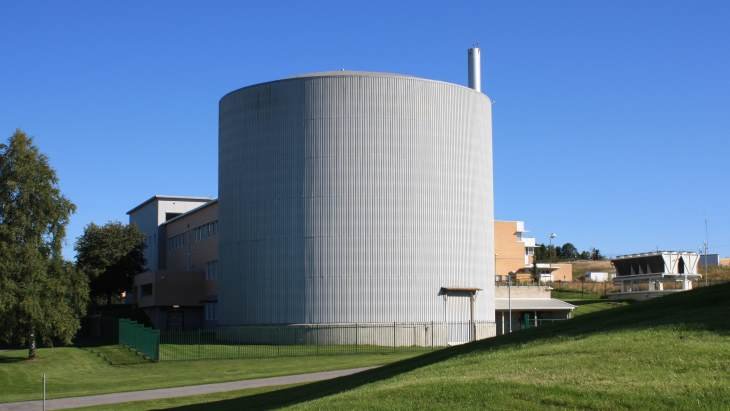
The Demonstration of Microreactor Experiments test bed – DOME for short – is a 100 feet (30 metres) tall and 80 feet in diameter facility that uses the containment structure of the Experimental Breeder Reactor-II (EBR-II) which operated from 1964 to 1994. It provides a safe environment to test experimental reactor concepts and gather performance data that can be used to inform future commercial licensing applications, helping to accelerate development timelines and ultimately saving money and reducing project risk.

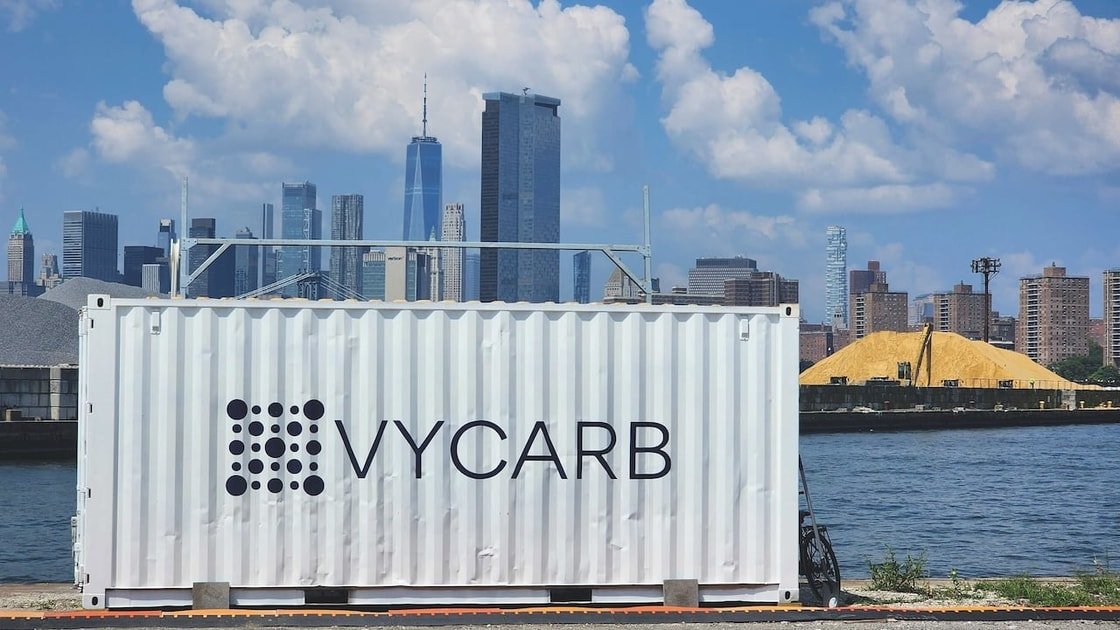
Radiant designed, validated and performed the safety analysis of its own system for transporting the fuel (Image: Radiant)
“We are de-risking a commercial product that will be manufactured and delivered within 18 months,” Radiant Chief Nuclear Officer Rita Baranwal said. “Receipt of our freshly fabricated, modern-pedigree, custom-made fuel is a key milestone toward that goal. Radiant has been very disciplined with our testing program at the DOME; we are testing our prototypic fuel, coolant, and power levels to validate our product and ensure success for our customer deployment by 2028.”
Data collected from DOME will also play a key role in supporting Radiant’s Part 70 licence application for its R-50 manufacturing facility in Tennessee, which is in accelerated review by the NRC. Once approved, the licence will enable Radiant to handle and load fuel for its Kaleidos reactors before shipping to customers across the United States, unlocking standardized mass production.
Kaleidos is a high-temperature gas-cooled reactor using TRISO fuel, helium gas coolant, and prismatic graphite blocks. The transportable microreactor will be fully contained in a single shipping container, and is designed to generate 3MW thermal or and around 1MW electrical. The Nuclear Regulatory Commission has been conducting pre-application activities for the reactor with Radiant since 2022. Kaleidos is one of three microreactor designs selected in 2023 to receive US federal funding or front-end engineering and experiment design at DOME.