Indonesia is accelerating its transition to renewable energy after widespread rolling blackouts in May 2026 exposed weaknesses in the country’s power system. The blackouts were mainly caused by severe shortages in coal supplies, prompting the government to take urgent action to strengthen energy security and reduce dependence on fossil fuels.
President Prabowo Subianto has announced an ambitious plan to develop 100 GW of solar power across the country. The original target, which was expected to take five years, has now been shortened to just three years. The accelerated program is aimed at improving electricity reliability while reducing the use of aging diesel power plants, especially across Indonesia’s eastern islands where diesel generation remains common.
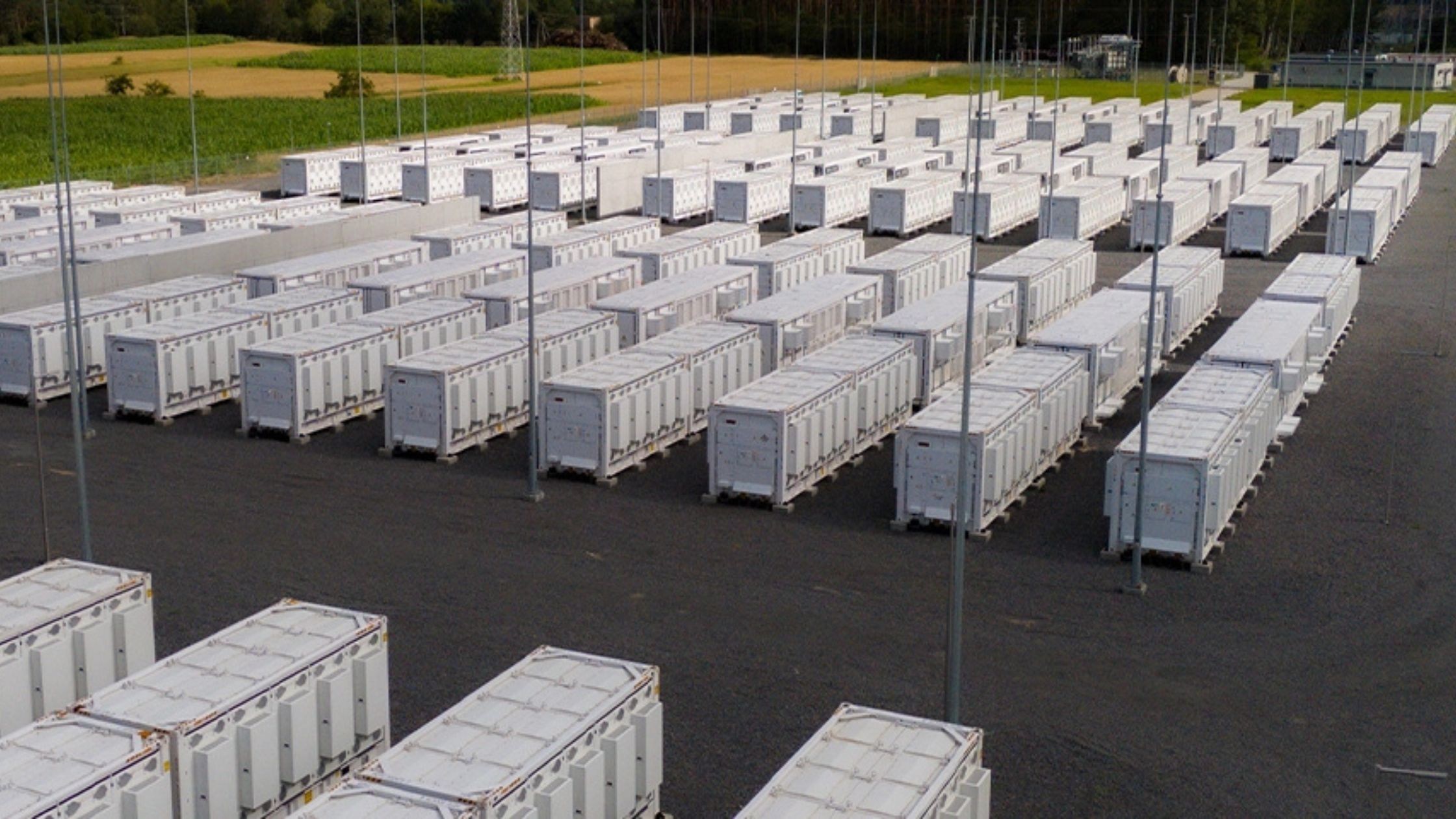
The government believes replacing diesel generators with solar energy supported by battery storage systems will significantly reduce fuel imports and lower energy costs. Officials estimate that the shift could save the national budget around 74 trillion rupiah, or about US$4.1 billion, every year. These savings are expected to come from reduced spending on imported diesel fuel and lower operating costs for electricity generation.
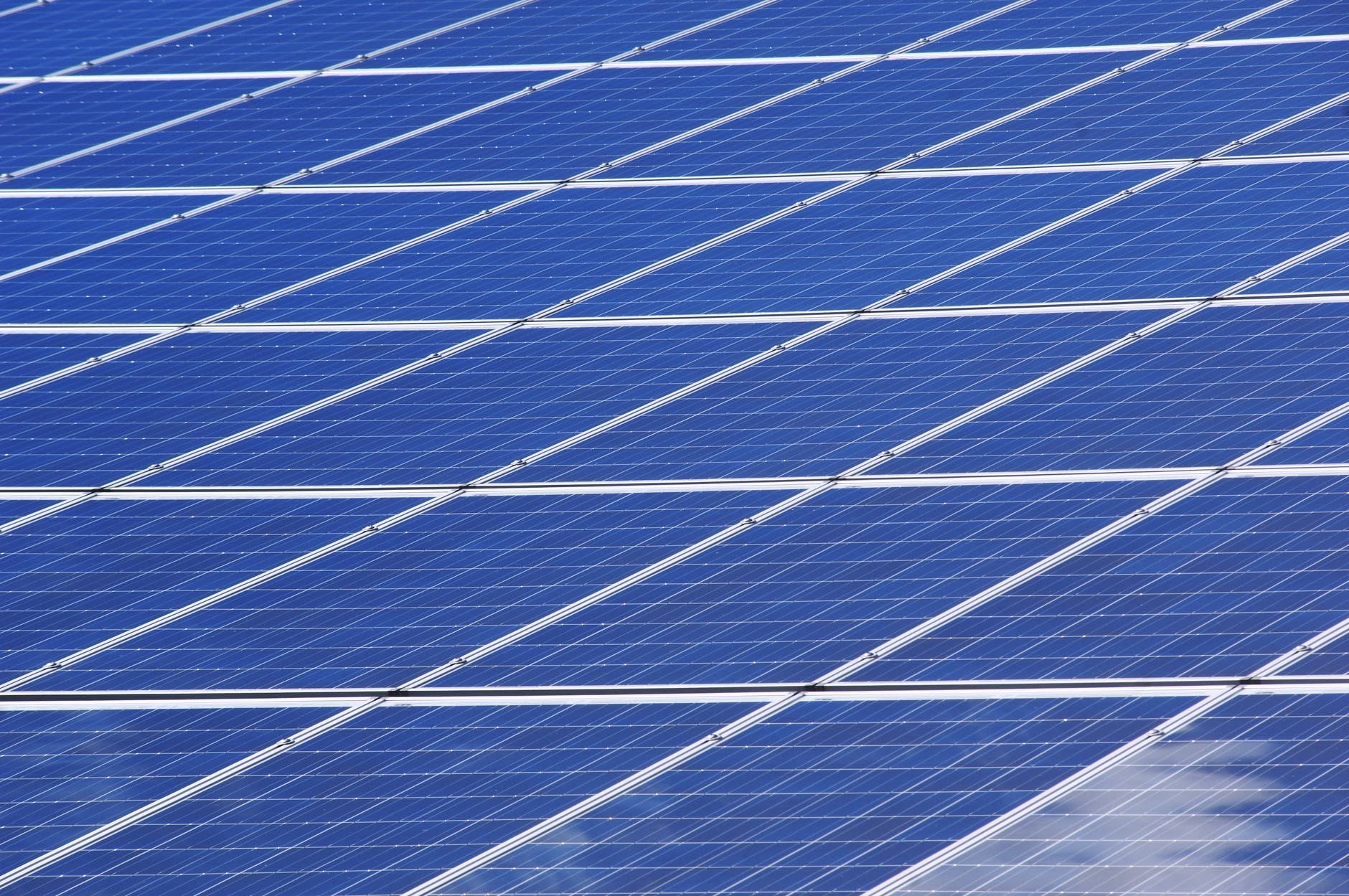
To support the large-scale rollout of solar projects, Indonesia has identified around 28,000 hectares of land for renewable energy development on the island of Java. Around 8,500 hectares will be used for ground-mounted solar farms combined with battery energy storage systems, providing an estimated 8.5 GWp of solar capacity.
In addition to land-based projects, the government is also focusing on floating solar power to avoid the challenges of acquiring land. Around 10,000 hectares of state-owned reservoirs have been allocated for floating solar installations, which are expected to generate up to 10 GWp of electricity. Officials say this approach will help reduce project delays and control development costs. According to government estimates, if land prices triple, electricity tariffs could increase by about one cent per kilowatt-hour, affecting project profitability.
Indonesia is also working to strengthen its domestic solar manufacturing industry. The Ministry of Investment has secured US$1.4 billion in foreign direct investment to build local solar manufacturing capacity of up to 50 GW. This strategy is designed to support local industries and reduce dependence on imported solar equipment.
Companies such as Trina Mas Agra Indonesia have already started manufacturing solar products with an initial local content level of 41 percent. Meanwhile, the Ministry of Energy is preparing a new Presidential Regulation to simplify project approvals, speed up land clearance, improve bidding procedures, and provide greater certainty for long-term power purchase agreements. The government expects these measures to attract more investment and accelerate Indonesia’s clean energy transition while improving the reliability of its electricity system.
Subscribe to get the latest posts sent to your email.