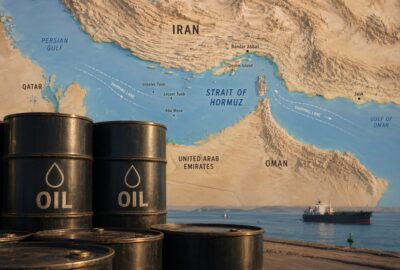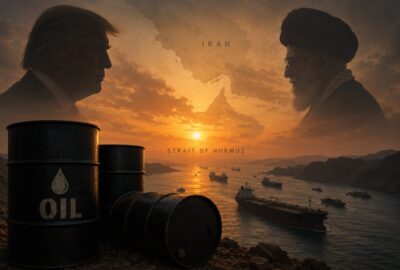
Oil and LNG tankers are back to switching off transponders when transiting the Strait of Hormuz as the latest escalation in the region and last week’s Iranian attacks on commercial ships prompted vessel operators to brave the chokepoint unobserved.
Total tanker traffic collapsed on Sunday to just six vessels managing to clear the Strait of Hormuz, all in the so-called dark mode to avoid detection, Bloomberg News reported on Monday, citing preliminary data by Kpler it had analyzed.
The re-emergence of the dark-mode transit is in stark contrast with the previously seen rising flow of oil tankers and LNG carriers with AIS positioning systems turned on, in the weeks between the signing of the U.S.-Iran memorandum of understanding and early last week.
But as tensions escalated last week and further intensified this weekend, the tanker owners and operators brave enough to test their luck in the chokepoint used the tactic from before the MoU to turn off positioning data.
Early on Monday, no ships were seen transiting the Strait of Hormuz, per AIS signals monitored by Bloomberg.
The two key lanes which tanker owners have used since mid-June, the U.S.-supported corridor hugging Oman’s coast and the northern route close to the Iranian coast, have seen diverging traffic patterns over the past week.
The Oman route has not seen any observable transits since last Wednesday, per ship-tracking data compiled by Bloomberg, but there may have been dark-mode crossings not visible on AIS systems.
There were observable transits through the Iran-designated route through Saturday, the data showed.
Following this weekend’s escalation, Qatar’s Transport Ministry issued an urgent advisory suspending all maritime vessel activity until further notice, “the first blanket maritime suspension by a Gulf state since the conflict began,” maritime intelligence firm Windward said on Sunday.
This could directly impact Qatar’s LNG exports and flows from Ras Laffan, which had just started to recover prior to the latest flare-up.
By Tsvetana Paraskova for Oilprice.com
More Top Reads From Oilprice.com
- Oil Prices Surge 4% as U.S.-Iran Escalation Rekindles Supply Fears
- Iran Strikes 5 Gulf Countries as Regional Escalation Continues
- U.S. LNG Exporter Reaps Windfall as Middle East Turmoil Drives Fees Higher