By
9 min ago 3 min read
Asia Pacific liquefied natural gas (LNG) demand is forecast to decline by around 4.1%, from 268 million tonnes (Mt) in 2025 to 257 Mt in 2026, according to a recent report from analyst group Wood Mackenzie.
This marks the second consecutive year of declining Asia Pacific LNG, following a drop from 278 Mt in 2024, as geopolitical instability in the Middle East reshapes the global LNG supply chain.
As spot prices become increasingly elevated by tightening global LNG supply, Wood Mackenzie reports that regional buyers are being forced to reduce LNG volumes and diversify fuel supply.
At Wood Mackenzie’s recent LNG conference, the analyst group said LNG prices are expected to for the next 18 months.
Kateryna Filippenko, Research Director of Gas and LNG Research at Wood Mackenzie, with gasworld that a quick peace scenario could see LNG demand climbing by close to 60% over the next decade, while an extended disruption scenario would constrain that expansion to around 45%.
In terms of outlook, Asia Pacific LNG demand is expected to recover to 279 Mt in 2027, stabilising to 2024 levels, climbing by a total of 40 Mt to reach 297 Mt by 2028.
This growth hinges on both geopolitical risk subsiding and the return of structural demand growth across Southeast and South Asia.
Wood Mackenzie said the rate and distribution of LNG demand recovery depend on the duration and severity of Middle East supply disruption, in addition to, the stabilisation of spot prices, and competition from the oil industry.
Maoping Hu, Principal Analyst for Gas and LNG at Wood Mackenzie, said, “Even the more resilient markets are making decisions now on nuclear, on coal, on long-term contracting diversification that will shape their LNG demand trajectories well into the next decade.”
Northeast Asia
Northeast Asian LNG demand, including China, Japan, Taiwan, and South Korea, is projected to fall by around 5.45% to 191 Mt in 2026 from 202 Mt in 2025.
China’s LNG imports are forecasted to fall by 4 Mt in 2026, with regas utilisation falling to 29% compared to a nameplate capacity of 218.3 Mt – indicating a slowdown in demand.
Wood Mackenzie reports Japan’s exposure to global supply chain disruption is up to around 0.5 Mt each month, which the analyst group considers manageable given the available supply diversification routes.
Taiwan is expected to replace over 75% of its LNG deficit with spot purchases.
South Korea’s overall spot exposure exceeds 20%, partly due to two Korea Gas Corporation’s (KOGAS) two million tonnes per annum (mmtpa) LNG contracts tied to Ras Laffan Train 6.
In June, QatarEnergy an internal explosion during the restart of the Ras Laffan LNG facility, caused by a technical malfunction during operations at a factory in Ras Laffan Industrial City.
South and Southeast Asia
According to Wood Mackenzie, South Asian countries, India, Pakistan, and Bangladesh are navigating global LNG supply disruptions in regional markets with LNG infrastructure strongly tied to spot pricing.
India is projected to have a supply deficit of 1.5 Mt each month.
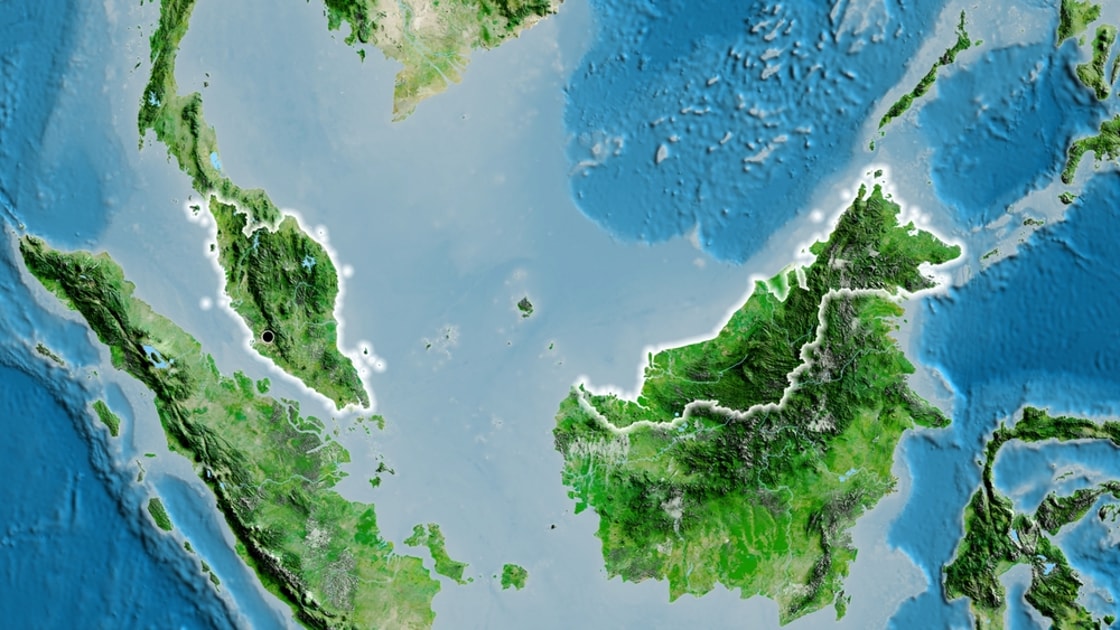
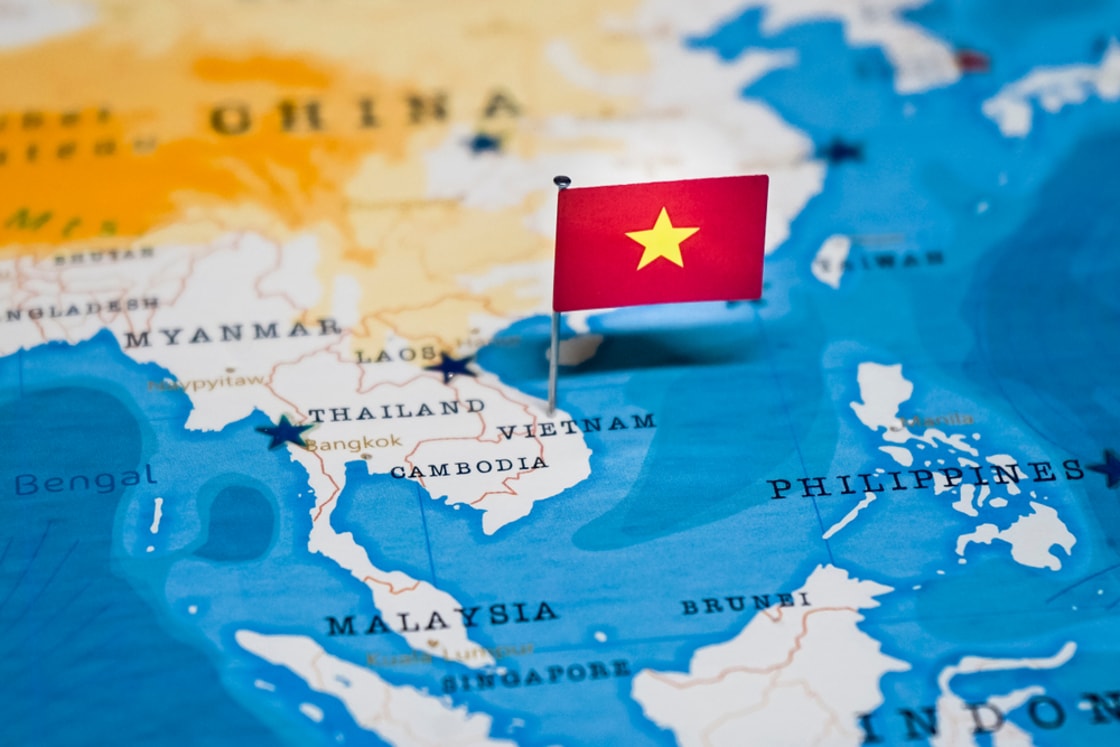
In Southeast Asia, regional demand is projected to rise from 27 Mt in 2025 to 31 Mt in 2026, reaching 39 Mt by 2028. Across the region, LNG markets are at different stages of development.
Notably, Thailand remains the largest LNG importer in the region and is currently most exposed to changes in spot pricing.