- Europe is pinning its hopes on hydrogen to reduce the emissions produced by its gas infrastructure.
- But only a fraction of projects have demonstrated progress after being proposed, and scant details are known about key metrics like start dates and contracts for fuel supplies.
- Germany has among the most hydrogen projects in planning across all types of gas infrastructure tracked by GEM.
Nearly all the European projects to introduce hydrogen into gas-fired power plants, LNG terminals, and gas transmission pipelines in an effort to decarbonize the energy system have yet to move beyond the announcement phase, finds a new report from Global Energy Monitor.
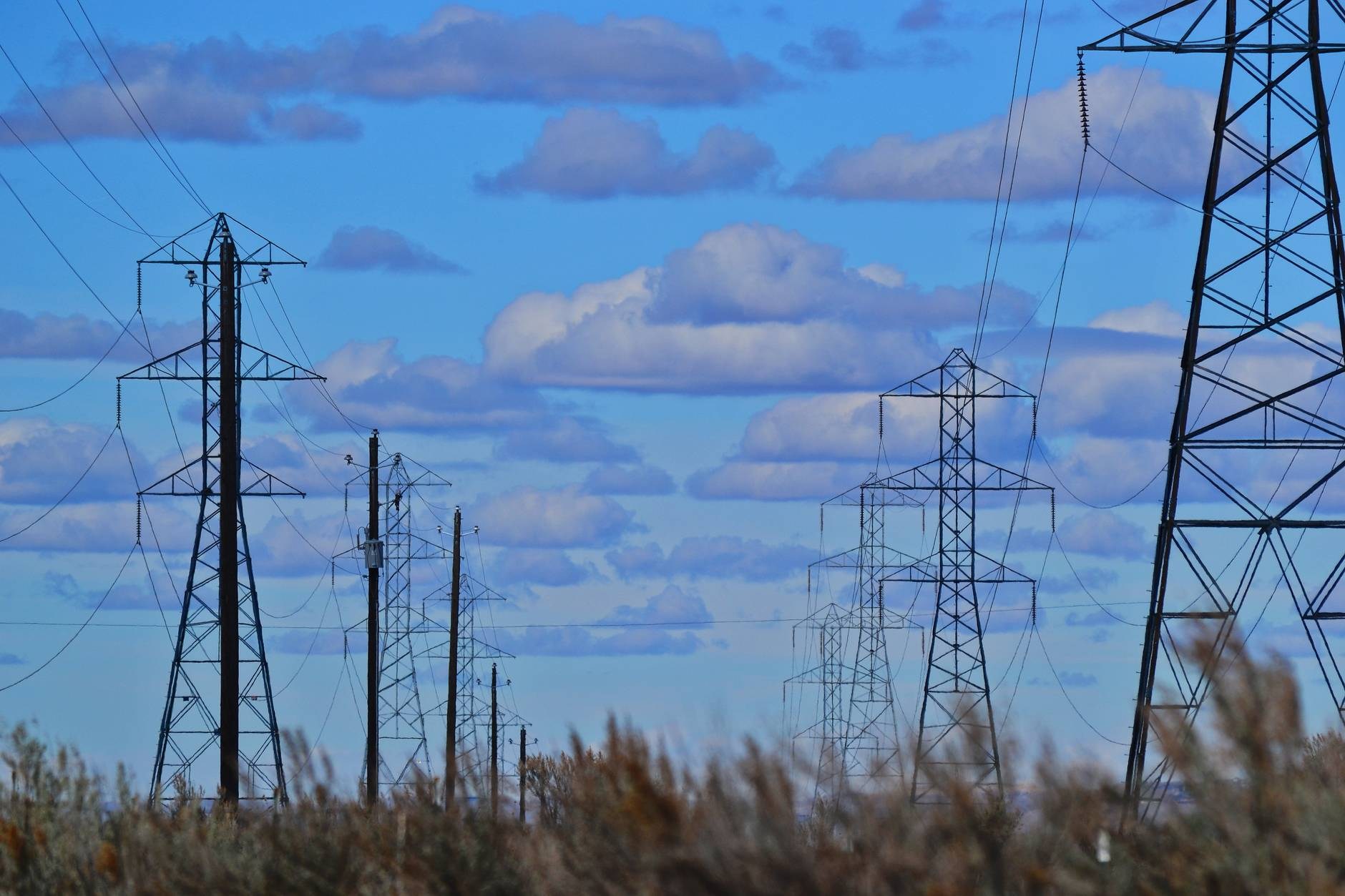
Offering one of the most comprehensive looks to date at Europe’s hydrogen infrastructure plans and how they overlay the region’s gas network, the Europe Gas Tracker documents 96 gas-fired power plants with 44.6 gigawatts (GW) of capacity to burn hydrogen—roughly the size of Italy’s gas-fired power fleet—as well as twelve projects to expand or convert LNG terminals to import hydrogen derivatives and 323 pipelines to transport hydrogen over 50,000 kilometres—a 40% increase in the length of hydrogen pipelines in development last year.

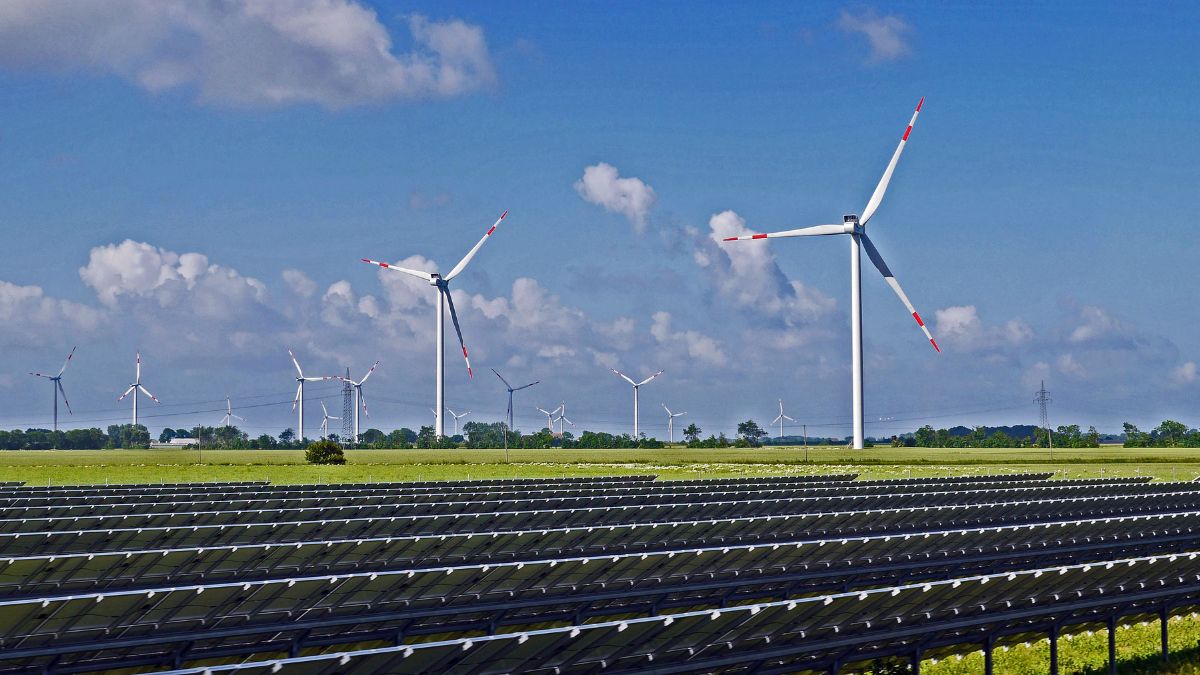
Hydrogen produced from renewable energy could be an important decarbonization tool in certain applications, such as industrial processes where fossil-based hydrogen is used today. However, Europe’s hydrogen plans appear, at best, out of touch with the science and economics of the fuel, and at worst, like an attempt by the oil and gas industry to extend the lifetime of Europe’s dependency on gas.
The majority of these proposed projects are still in the early stages and have not advanced beyond the drafting board. Among hydrogen-burning proposals at power plants, several pilot projects have begun operating with small amounts of hydrogen, but almost three-quarters of all capacity is still in the earliest phases of only having been announced.

More than half of these hydrogen power projects do not have a start year specified, and only a small fraction have secured memoranda of understanding, contracts, or financing for hydrogen supplies.
Among hydrogen pipeline projects, plans are split evenly between using new pipelines, retrofitting existing gas pipelines, and using a mix of new and retrofitted pipelines. However, retrofitting pipelines for hydrogen would largely entail replacing them.
The European Commission’s most recent Projects of Common Interest list offers to fund and streamlined permitting to hydrogen-capable pipeline projects totalling 22,394 km. Some hydrogen pipelines on the list appear nearly identical to older gas pipeline proposals, suggesting that gas companies could be using hydrogen branding to garner support.
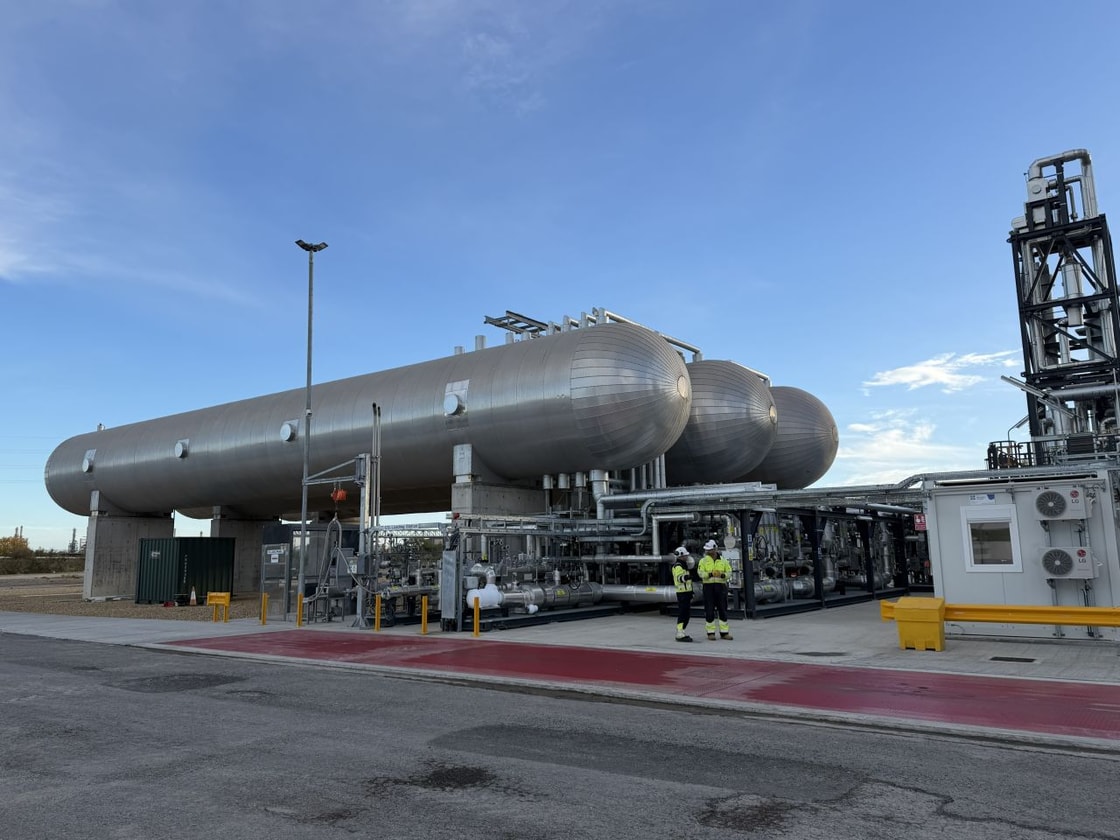
No hydrogen derivative import projects at LNG facilities have begun construction or taken final investment decisions indicating they will move forward, and just one pipeline to transport hydrogen gas is currently being built.
The International Energy Agency has warned that planning is far behind on projects to produce hydrogen from renewable energy sources that would supply this sprawling network.
Meanwhile, the buildout of LNG infrastructure appears to be slowing. Several major projects came online last year, but the pace of new proposals has nearly ground to a halt, with just one new import project mooted in 2024. Five projects totalling 28.7 billion cubic meters per year in new LNG import capacity came online, two-thirds of the capacity that was added in 2023.
As European gas demand begins to fall, these projects are unnecessary and risk wasting public and private investment.
Robert Rozansky, Project Manager for the Europe Gas Tracker, said, “A hydrogen network of this scale, with power production as a major end-use, is impractical and unrealistic as a decarbonization strategy. Rather than risk locking in gas, EU policymakers should require project developers to make clear how they will source green hydrogen. This will hold regulators to account and allow for better project planning.”