By
41 min ago 2 min read
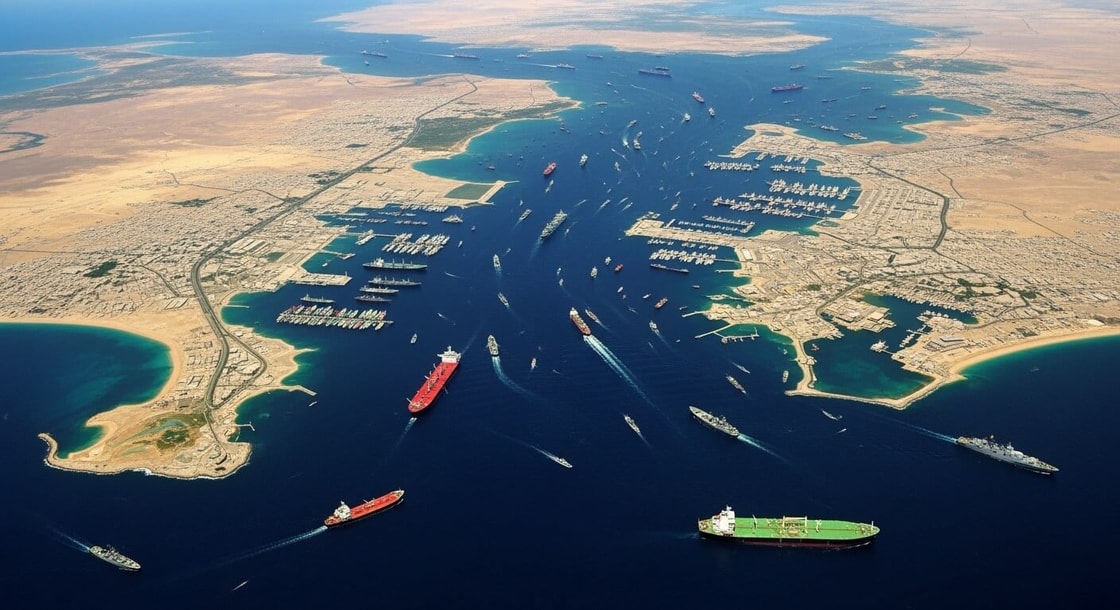
Hopes for the resumption of shipping through the Strait of Hormuz have been raised with the prospect of an imminent deal between US, Iran and Gulf states.
The draft framework is understood to reject the fee proposal in favour of a regional mechanism. Ships would enter inbound near a lane close to Iran and outbound close to Oman.
Regional and global markets will be watching cautiously after previous diplomatic efforts to open the strait failed.
The prevailing ongoing uncertainty is reflected in Hormuz shipping movements dropping to 14 on 4 August, according to S&P Global Commodities at Sea data.
Qatar’s pivotal Ras Laffan plant remains only partly operational, with helium capacity running at around 25% of normal capacity. Many specialised cryogenic containers used to transport liquid helium are still displaced or working their way back into the logistics network.
Industrial gas major Linde has expressed confidence in its ability despite ongoing tensions around the strait.
Air Liquide says the partial restart of helium production in Qatar is likely to on its business during the second half of 2026.
Air Products has weathered the supply chain disruption by for 40% of its Q3 volumes.
Marco Giannangeli, Editor at Sibylline, the strategic risk and geopolitical intelligence consultancy, said, “The one lesson we’ve all learnt from the problems at the Strait of Hormuz is that we are less prepared than we thought to deal with what happens when a vital trade route becomes contracted. Added to that, the dilution of international law – and we’re left with a quandary.”
Stewart Paterson, Geoeconomic Consultant at Sibylline added, “Dependencies are still real and large. There needs to be a more coordinated and holistic approach to de-risking from these maritime chokepoints.”
Video