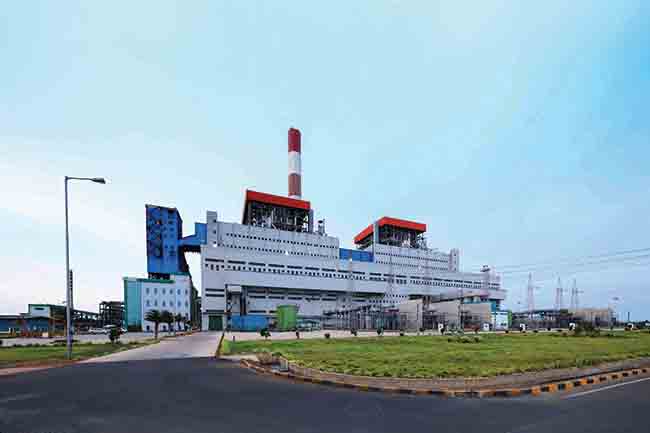
India turned into the world’s biggest coal power generation capacity builder, proposing as much as 638 million metric tons annually in new capacity last year. This was a surge from 329 million tons annually in new planned coal capacity a year earlier, and it drove an 11% increase in the global total for the year.
The data comes from Global Energy Monitor, as cited by Reuters, and highlights India’s approach to energy security, which is a lot similar to China’s approach, featuring all existing sources of power generation to satisfy fast-growing demand.
India also plans to boost domestic coal production, eyeing 1.15 billion metric tons for the current fiscal year and 1.5 billion metric tons in fiscal 2026/27. On a global level, however, according to Global Energy Monitor, new coal mine additions last year fell by almost 40% on the year to 113 million tons annually.
“We cannot be subjective about coal. The question is how sustainably we can use it,” an analyst from an Indian government policy think tank said at the end of last year. Coal will still be a key part of India’s power system for the next two decades, Rajnath Ram from NITI Aayog also said at the time.
India, the world’s second-biggest coal importer and user after China, has used domestic coal to operate 5.7 gigawatts of power generation capacity at the 18.7-GW plants using imported coal over the first half of this year, with efforts underway to move another 4.3 GW of capacity to use domestic coal. As of June, some Indian power plants were sourcing as much as 70% of their coal domestically.
Higher domestic production and rising renewable energy installations have been key to the switch to domestic coal. India has a goal to slash its thermal coal imports and has been succeeding in this endeavor in recent months.
By Irina Slav for Oilprice.com
More Top Reads From Oilprice.com
- Putin Opens New Front in Shadow Fleet Fight With Threat to Seize EU Ships
- Russia Rebuilds Nuclear Workforce at Iran’s Bushehr Plant
- Egypt and Libya Near $1 Billion Oil Pipeline Deal