The global refining system has little spare room left to respond.
That’s what Daniel Evans, Global Head of Fuels and Refining Research at S&P Global Energy, said in analysis piece by the S&P Global Energy Fuels and Refining team, which was sent to Rigzone recently.
“Outside constrained markets such as Russia, the Middle East, and China, much of the remaining global refining complex is already running at or near multidecade highs,” he added.
“The issue is a lack of available capacity,” Evans went on to state.
The analysis piece stated that, in the span of a few weeks, the global outlook for refined products has whipsawed dramatically. According to the analysis, what looked like the start of a gradual normalization in product markets instead became the opening act of another supply squeeze.
S&P Global Energy revealed in the analysis that it now estimates that global refinery runs were 7.5 million barrels per day lower in July than year-ago levels. It added that global runs are now expected to average 80.1 million barrels per day in the second half of 2026, which it highlighted is 2.4 million barrels per day lower than its previous refined products outlook.
Refined product exports from key suppliers are down 30 percent, or four million barrels per day, since the start of the conflict relative to the same period in 2025, the analysis highlighted, adding that prices for gasoline, diesel, and jet fuel are near $130-$170 per barrel, which it pointed out is comparable to the peaks experienced in 2022 following Russia’s invasion of Ukraine.
In the Middle East, regional crude runs are expected to average about eight million barrels per day in 2026, according to the analysis, which highlighted that this is roughly 1.6 million barrels per day below 2025 levels, “due to a large share of that capacity that remains either physically impaired, logistically stranded, or operationally unable to restart with confidence”.
The analysis also stated that Russia’s diesel exports ban has removed 10 percent of waterborne supply from the market and warned that diesel exports “had already fallen precipitously (approximately 500,000 barrels per day below year prior levels) before the formal imposition of the ban on July 8”.
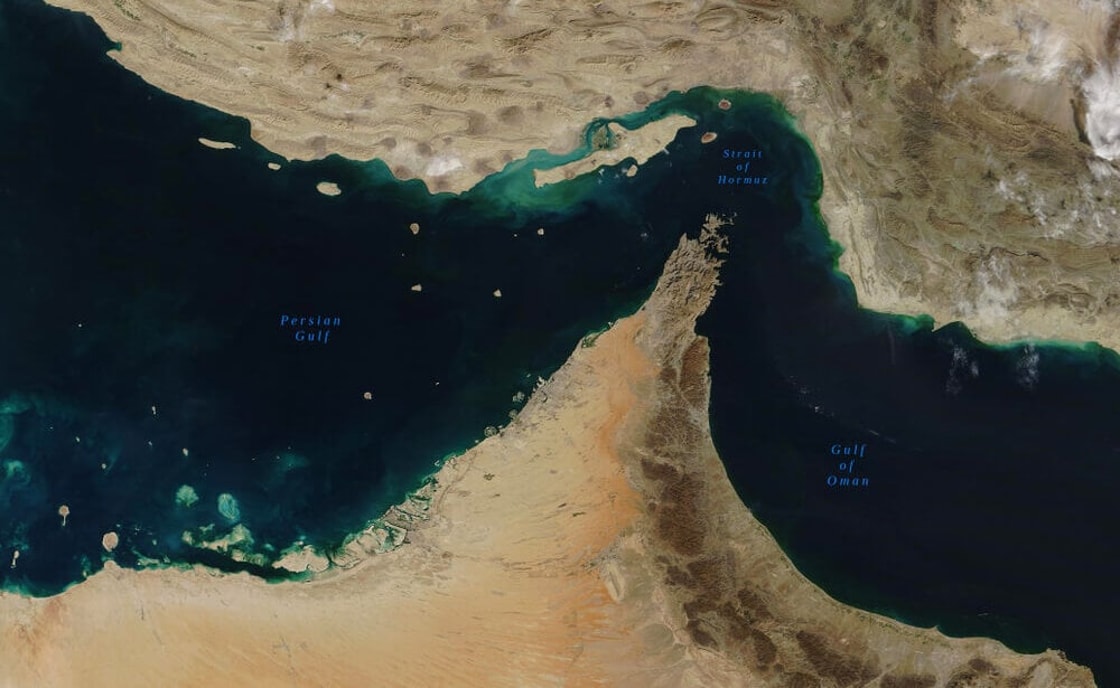
S&P Global Energy warned that, “at the same time, hopes for a durable easing of China’s refined product export controls were dashed following the renewed Strait of Hormuz disruption”.
“Crude runs remained subdued in July, with throughput almost 2.9 million barrels per day below year-ago levels,” it added.
S&P’s analysis went on to state that U.S. refiners, which it pointed out are currently running at record levels at 96 percent capacity utilization, “are the keystone holding global product markets together at the moment”. It warned, however, that the approaching hurricane and traditional fall maintenance seasons “underscore just how thin the remaining buffers are”.
“Product markets still have a head start on a broader availability crisis,” the analysis piece said.
“However, with few remaining sources of incremental supply capable of responding to disruptions, the margin of error is rapidly decreasing,” it added.
In a commodities market update sent to Rigzone at the end of last month by the Kpler team, Kpler stated that global refining had become “the real supply constraint”.
“Refining, not crude, is the binding constraint,” the company said in that update.
“U.S. utilization holds ~95 percent and European runs are at multi-year seasonal highs,” it highlighted, noting that Russian throughput was “at a two-decade low after drone strikes” and that “the former product exporter now imports to balance domestic fuel markets”.
“China [is] capped by export quotas, the Middle East by shipping disruption; global runs [are] near the weakest seasonal levels in years,” it warned in that update.
Kpler outlined in its update that global offline refinery capacity stood at around 11 million barrels per day near the end of July. It projected that this capacity would drop to around 10 million barrels per day in August before rising to around 12 million barrels per day in October and eventually dropping to around seven million barrels per day in December.
To contact the author, email