By
30 min ago 2 min read
University of Birmingham scientists who used green chemistry to make a next-generation Metal Organic Framework (MOF) for capturing heavy metals from wastewater have shown it is cheaper and more resource-efficient to produce than a similar MOF processed conventionally.
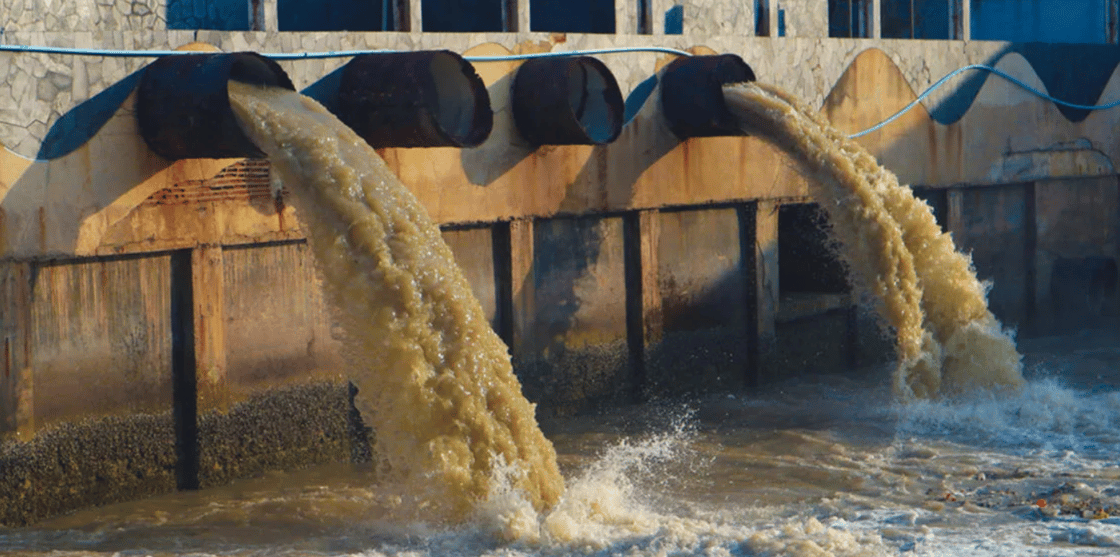
Water contamination caused by industrial wastewater leaching into the environment remains a persistent public health problem. Exposure to metals such as lead is particularly harmful to children and has lifelong effects.
While the challenge of treating chemically complex wastewater created by industrial processes such as mining, and electronics or chemical manufacturing is far from solved, MOFs are emerging as a technology with huge potential.
These advanced materials have metal nodes connected by organic linkers, resulting in a cage-like molecular structure with enormous internal pore networks providing huge internal surface area that acts like a sponge to selectively capture heavy metals dissolved in water.
However, many MOF manufacturing and post-processing routes are solvent- or energy-intensive. Moreover, the metals used in MOFs can leach into the water being treated, potentially causing secondary contamination.
Both these issues have held back the use of MOFs as green materials for wastewater treatment and most are still at pilot or demonstration stage.
Researchers led by Dr Swaroop Chakraborty, a NERC Independent Research Fellow from the School of Geography, Earth and Environmental Sciences, are working on the safer and more sustainable design of these innovative materials.
Dr Chakraborty said, “For water-treatment materials, removing the pollutant is only half the story. We also need to understand how materials like MOFs are manufactured and how they change during use in the environment.”
By redesigning one process step, it was able to recover much more of the material and lower its estimated production cost.
The research demonstrates freeze-dried MOF has a high capacity to rapidly remove lead from solution, with over 90% removal in the first hour, with high removal maintained across four consecutive treatment batches.
The researchers are now looking for industrial partners in mining, e-waste, or water treatment who are interested in licensing the technology.
Work on MOFs is gaining momentum globally. Researchers at King Abdullah University of Science and Technology (Kaust) have developed technology that allows membranes to contain .