

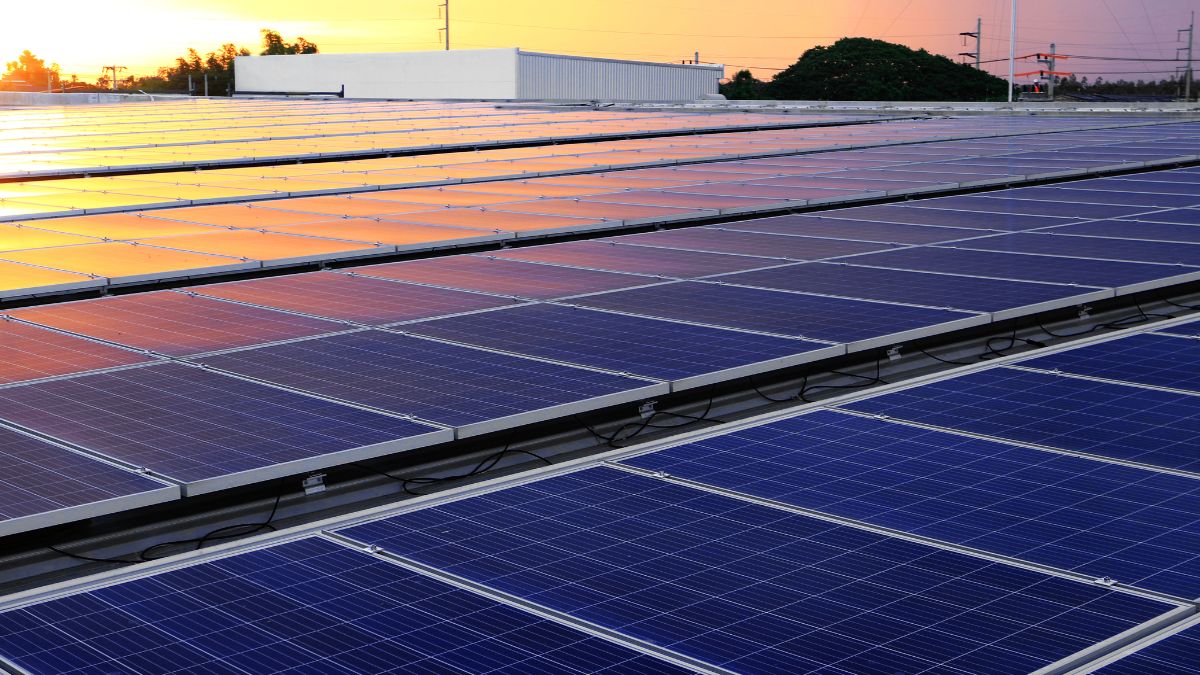
South African power utility Eskom has clarified that homeowners with rooftop solar systems will not face fines or electricity disconnections simply because their installations have not been registered before the September 30 deadline.
The clarification has eased concerns among thousands of residential solar users who feared financial penalties and possible loss of grid electricity. Earlier warnings had suggested that households with unregistered small-scale solar systems could face fines ranging from R6,000 to R30,000 and potential disconnection from the electricity network.
Eskom spokesperson Daphne Mokwena confirmed that the utility would not impose penalties or disconnect customers solely because their solar systems remain unregistered. The announcement has been welcomed by civil society groups, energy experts and industry organizations, including the South African Photovoltaic Industry Association (SAPVIA) and the Organisation Undoing Tax Abuse (OUTA).
Experts had questioned whether Eskom had the legal authority to impose criminal-style fines for non-registration. They also noted that electricity laws provide specific conditions under which a customer can be disconnected, and simple failure to register a rooftop solar installation does not automatically meet those conditions.
Although Eskom has withdrawn the threat of fines and disconnections, it continues to encourage homeowners to register their solar systems voluntarily. The utility says registration is important for maintaining grid stability, understanding the amount of electricity being generated by distributed systems and protecting workers who may encounter electricity flowing back into the grid during maintenance.
To support registration, Eskom has also extended its waiver of registration administration fees until the end of September. The move is intended to encourage more homeowners to complete the registration process without additional costs.
However, homeowners must still comply with electrical safety requirements. Solar installations are required to meet applicable South African electrical regulations and should have a valid Certificate of Compliance (CoC) issued by a qualified and registered electrician.
The CoC remains important for household safety and can also be required for insurance claims and property transactions. Therefore, while homeowners do not need to fear fines or disconnection solely because of delayed registration, ensuring that rooftop solar systems are properly installed, certified and safe remains essential.
Eskom’s latest clarification provides greater certainty for South African households while reinforcing the importance of responsible rooftop solar adoption and safe integration with the national electricity grid.
Subscribe to get the latest posts sent to your email.








)