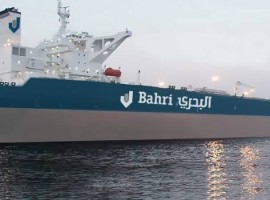
Saudi Arabia has boosted its crude oil exports from Egypt’s Mediterranean port of Sidi Kerir by about 33% in the month since the Houthis threatened Saudi oil shipments in the southern Red Sea and the Bab el-Mandeb Strait, tanker-tracking data compiled by Bloomberg showed on Friday.
Saudi state oil giant Aramco, the world’s single largest crude oil exporter, has started shuttling oil from its Yanbu port on the Red Sea north toward Egypt to avoid the threat from the Iran-aligned Houthi group in Yemen.
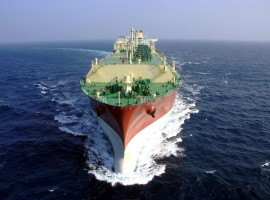
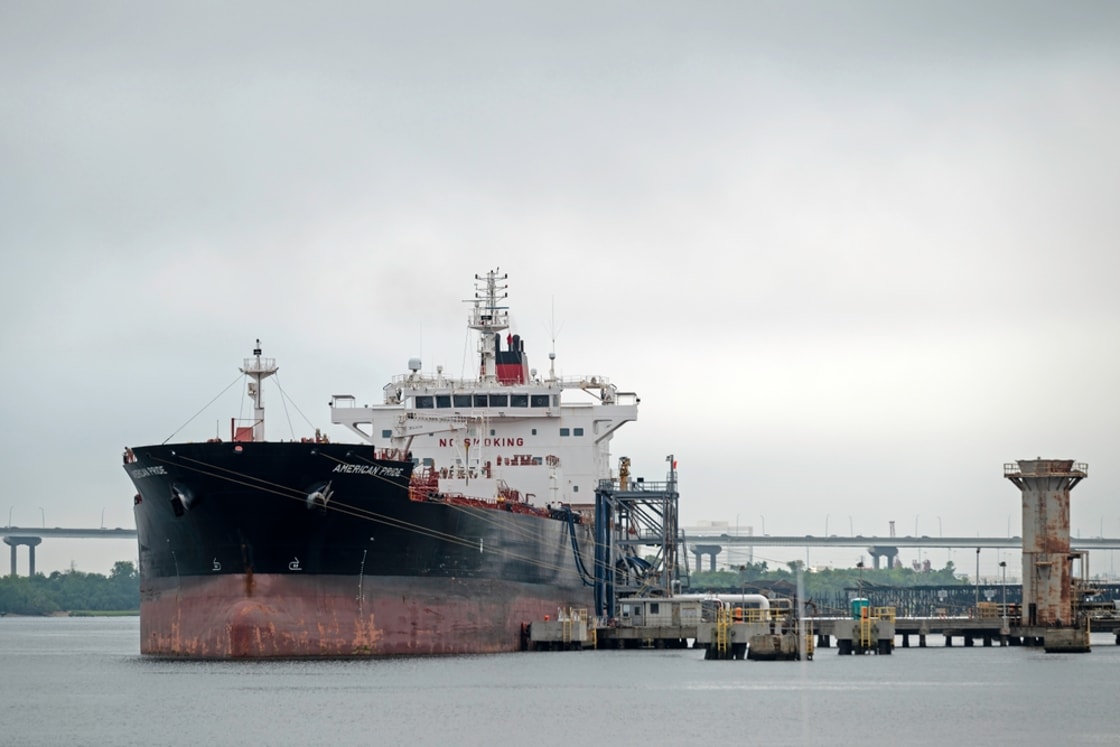
Western ship operators and owners, including South Korea’s Sinokor, Norwegian DHT Management AS, and Greece’s Dynacom, have been helping Aramco shuttle crude from the Red Sea in a northern direction, according to the data compiled by Bloomberg.
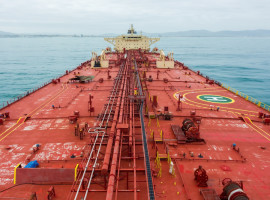
The newly established shuttle service runs from Yanbu northward toward the Egyptian port of Ain Sukhna on the Red Sea, where the oil is discharged and pumped onto the SUMED onshore pipeline to carry it to the port of Sidi Kerir on the Mediterranean.
The new route, and new re-routing of Saudi oil exports amid the Middle East conflict, has helped Aramco increase its shipments via the northern Red Sea route by about a third to 1.1 million barrels per day (bpd), according to Kpler data cited by Bloomberg.
At least four tankers have made the Yanbu to Ain Sukhna journey at least twice and have shipped more than 16 million barrels of oil in recent weeks, per the ship-tracking data monitored by Bloomberg.
The journey from Sidi Kerir then continues through the Mediterranean and around the Cape of Good Hope on Africa’s southern tip to reach Asian buyers. This route adds nearly a month to the time in which Saudi oil supply could reach refiners in Asia.
Reports emerged earlier this week that some Asian refiners had asked Aramco to pick up its crude oil cargoes at Sidi Kerir amid heightened risks to shipping safety in the southern Red Sea.
By Tsvetana Paraskova for Oilprice.com
More Top Reads From Oilprice.com
- China’s Oil Imports Set to Rebound as Refiners Hunt for New Supply
- Iraq-Syria Oil Pipeline to Bypass Hormuz Is 4 Years and $15 Billion Away
- China’s Renewables Boom Faces Record Clean Power Curtailments