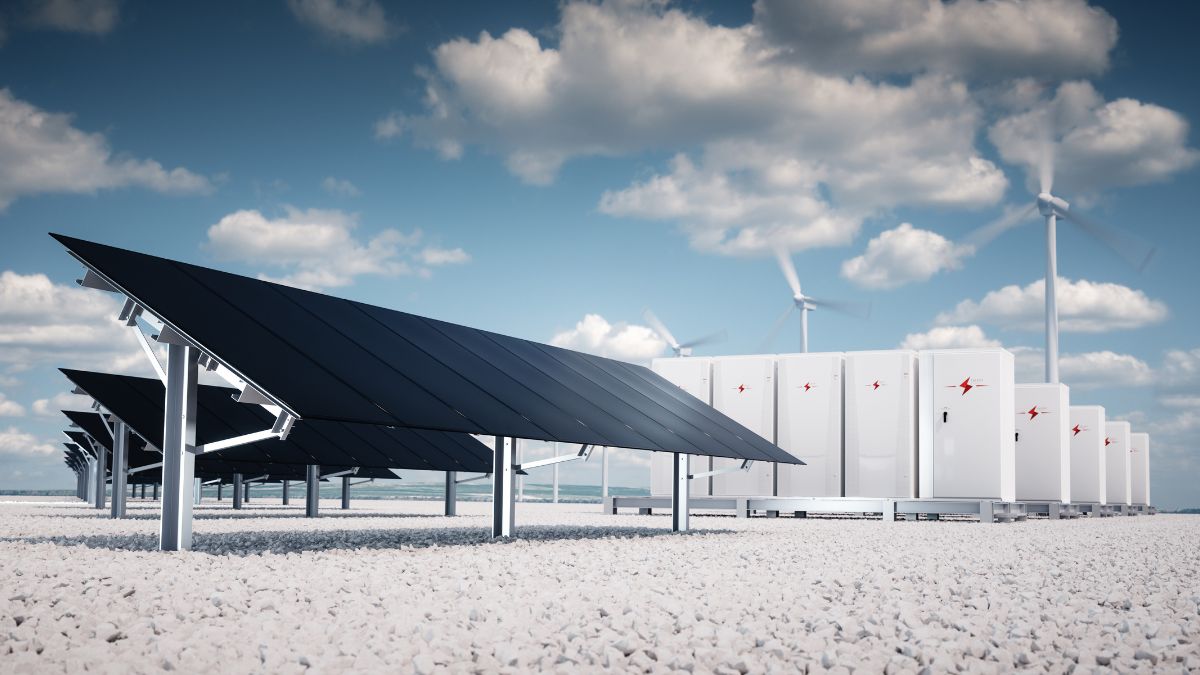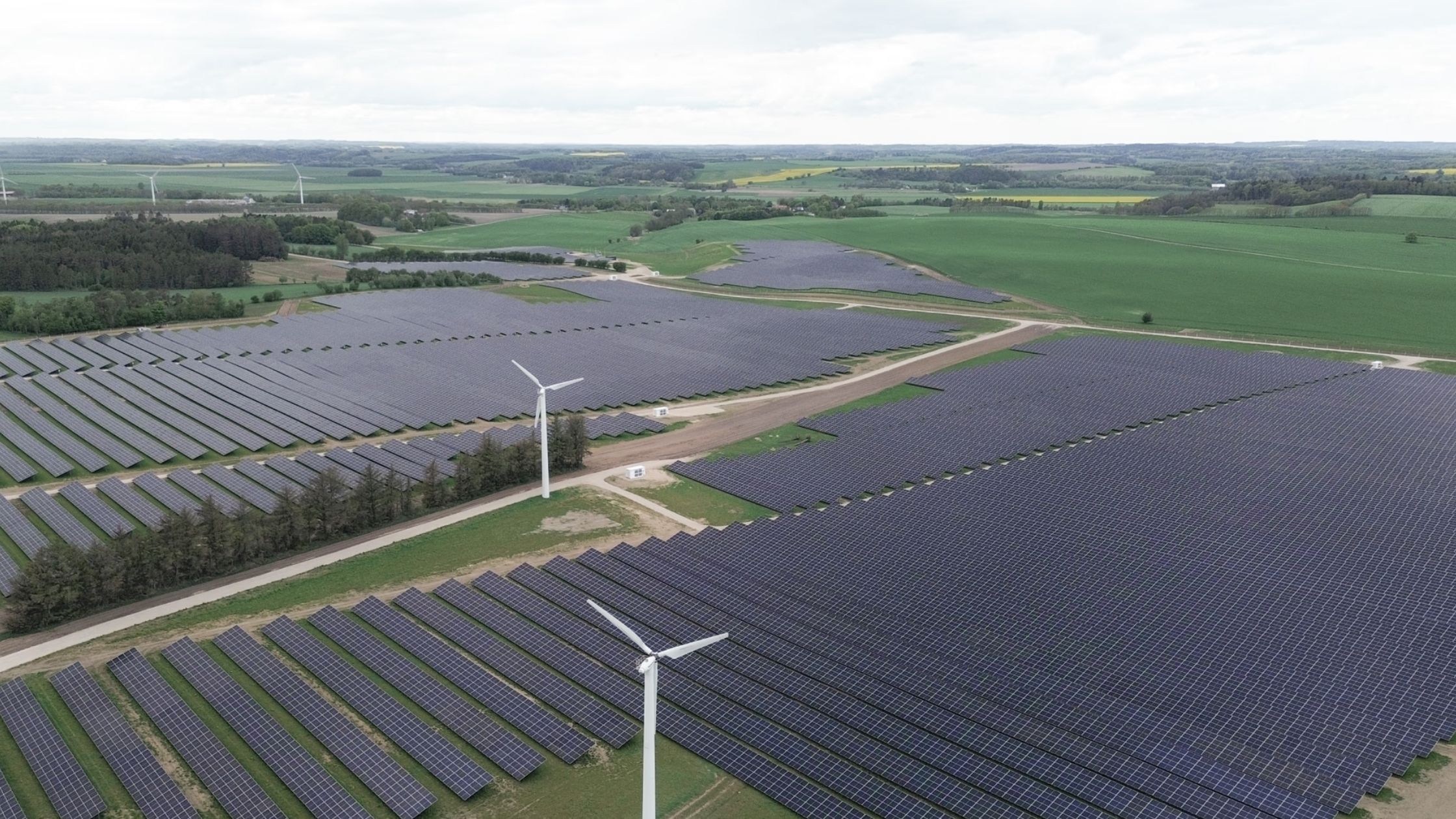
Latin America’s energy storage market is entering a period of rapid expansion, with cumulative energy storage capacity projected to increase from 2.5 GW in 2025 to 34 GW by 2035, according to Wood Mackenzie’s Latin America Energy Storage Outlook 2026.
The forecast represents a 30% compound annual growth rate (CAGR) over the period, driven by accelerating storage tender activity, rising renewable energy curtailment and ageing transmission infrastructure across the region.
“Latin America is no longer a frontier market for energy storage, it is an active one. The pipeline is growing fast, but deployment stalls without comprehensive regulatory frameworks with clear remuneration mechanisms,” said Pamela Morales, Wood Mackenzie.
Chile Leads Regional Storage Market
Chile continues to lead Latin America’s energy storage market and hosts the region’s largest operational battery energy storage system (BESS) projects. Increasing renewable energy curtailment is driving investment in longer-duration storage systems.
However, Wood Mackenzie identified price cannibalisation in Chile’s northern grid as an emerging risk. As more storage capacity enters the market, increased competition could reduce arbitrage revenues and affect project economics.
Mexico Storage Market at Policy Inflection Point
Mexico is approaching a policy-driven turning point for energy storage. Recent initiatives, including the first priority call for proposals and a joint development call with Mexico’s Federal Electricity Commission (CFE), both requiring storage, are expected to award more than 3 GW of storage capacity by 2030.
The new mechanisms could accelerate the development of large-scale battery projects as Mexico seeks to expand its grid flexibility and integrate additional renewable energy capacity.
Brazil Plans Dedicated Battery Tender
Brazil’s energy storage market is also expected to accelerate, with a dedicated battery tender scheduled for December 2026.
The tender is expected to support new storage capacity additions from 2028 onwards. However, Wood Mackenzie noted that the absence of clearly defined remuneration mechanisms could continue to create challenges for project financing in the near term.
Argentina Awards 1.3 GW of Standalone Storage
Argentina has moved toward developing a standalone energy storage market through competitive tendering. Recent tender rounds have awarded a combined 1.3 GW of standalone storage capacity, with operations expected to begin in 2027.
The projects are expected to provide additional transmission support and improve grid flexibility as Argentina expands its energy infrastructure.
Dominican Republic Targets 500 MW of Storage
In the Caribbean, the Dominican Republic has established one of the region’s more structured regulatory frameworks for energy storage.
A 50% storage-to-solar capacity mandate is supporting near-term deployment, while the government has set a target of 500 MW of energy storage capacity by 2030.
Regulatory Frameworks Remain Critical
Despite the projected growth, Wood Mackenzie said energy storage deployment across Latin America continues to face challenges related to the lack of bankable revenue mechanisms and clear regulatory frameworks.
Many markets have yet to establish defined remuneration mechanisms for ancillary services and energy arbitrage, making it difficult for developers to secure long-term financing. Limited access to financing, permitting delays and a shortage of suitable offtakers are adding to project development challenges.
“Latin America still needs to find a balance between mandates and incentives to develop the market. Countries that build bankable revenue frameworks will attract the investment needed to sustain growth well beyond the current policy-driven wave,” Morales said.
Wood Mackenzie expects the coming decade to distinguish markets that announce ambitious storage targets from those that establish the regulatory and financial frameworks required to translate planned capacity into operational projects.
Subscribe to get the latest posts sent to your email.