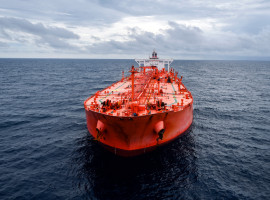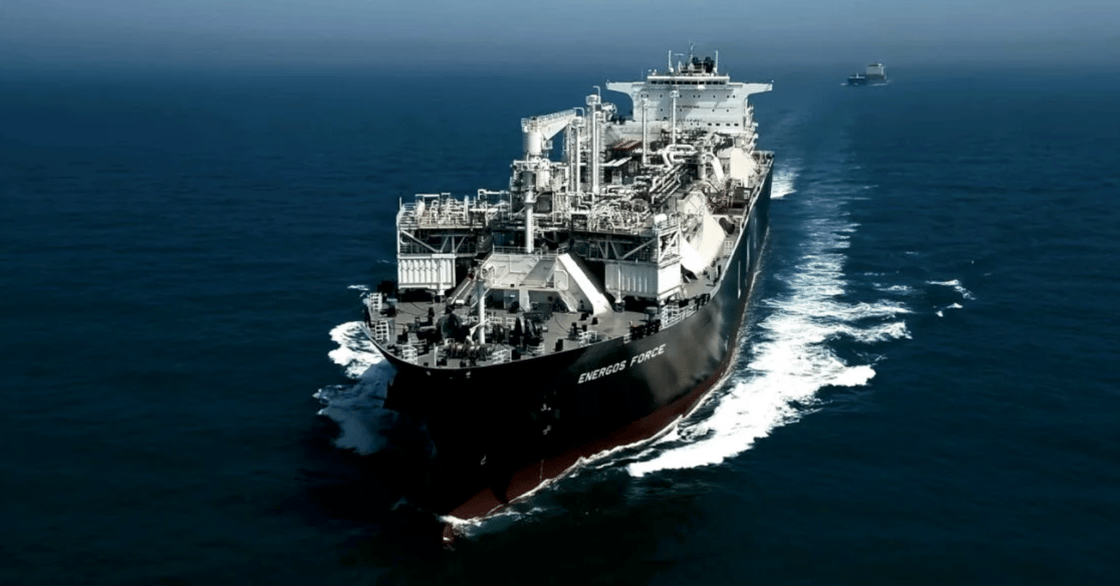
©Deutsche Energy Terminal / Energos Force FSRU
You’ve read 1 of 1 of your free articles this month.
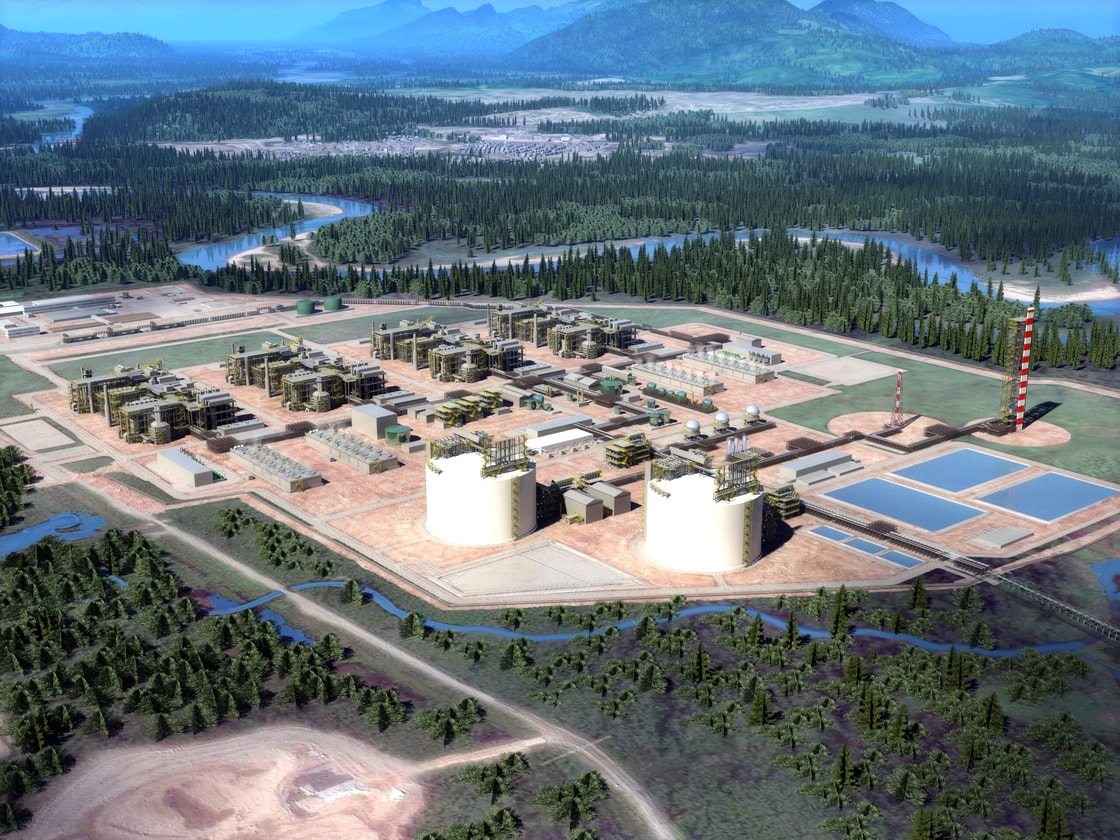
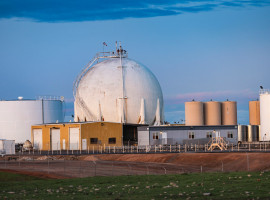
The floating liquefied natural gas (FLNG) import terminal in Stade, Germany, is set to commission cargo from November, providing a fillip for Germany’s energy supply security this winter.
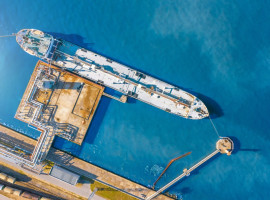
The Energos Force floating storage and regasification unit (FSRU) is expected in Stade this month. Stade, on the river Elbe close to Hamburg, marks Germany’s fifth LNG import terminal. It is managed and operated by Deutsche Energy Terminal.
The ship had been sub-chartered to Egyptian oil and gas company EGAS and deployed in Jordan amid delays to the German project.
Germany has been slow to fill gas storage this summer, with filling levels last seen at 53.6%, and will rely on LNG imports to help meet gas demand this winter.
According to Wood Mackenzie analyses, European gas storage is at risk of falling below 70% ahead of the upcoming winter, failing to meet typical historical fill rates of 90% by November.
“Europe is approaching energy crisis territory,” it warns. “Near-term alternatives to gas are limited, and the EU faces a difficult calculation: pressing ahead with both a proposed ban on all Russian LNG imports from January 2027 and more stringent methane emission regulations could constrain import flexibility at precisely the moment Europe needs it most.”
With the global gas industry set to convene at Gastech 2026 in Bangkok this month, supply resilience will define the agenda.
The LNG market might only rebalance from 2028. Sustained disruption or new geopolitical risks are poised to reduce the duration and depth of the anticipated global LNG oversupply.
Cryogenic technology firm Nikkiso Clean Energy & Industrial Gases Group (Nikkiso CE&IG) has announced it will for an LNG terminal in Brunsbüttel, northern Germany.