Dutch-French crop merchant Louis Dreyfus Company (LDC) is nearing completion of what it says will be the world’s largest plant dedicated to producing biogas from citrus-processing wastewater in Brazil.
The renewable gas will replace fossil fuels currently used at the facility, turning a waste stream from orange juice production into an on-site renewable fuel.
The facility in Bebedouro, São Paulo state, will process around 400 cubic metres of citrus effluent per hour and produce more than 50,000 normal cubic metres per day of biogas, according to LDC.
The company expects the project to reduce carbon dioxide (CO2) emissions from its Bebedouro industrial plant by more than 20%.
The project is designed to convert the high organic load in wastewater generated during citrus processing into biogas through a biological treatment process.
LDC says the process uses a specialised biological inoculum to break down organic material in the effluent and generate biogas.
The plant is being developed alongside LDC’s existing citrus-processing operations in Bebedouro. Construction began in 2025, with the company initially targeting completion by mid-2026.
LDC said the project will also return 100% of the treated water to local water resources after treatment, adding a water-reuse element to the biogas production process.
Brazil’s biogas potential
Brazil had 1,365 biogas plants in 2023, with production capacity reaching 4.15 bcm per year, according to the World Biogas Association (WBA).
The market has grown at a compound annual growth rate of 21% over the past five years, although biogas still accounts for less than 5% of its long-term potential.
The LDC project is located in São Paulo, which has the largest estimated biogas potential of any Brazilian state at around 25 bcm per year. The WBA attributes this largely to the state’s extensive sugarcane and agro-industrial activity.

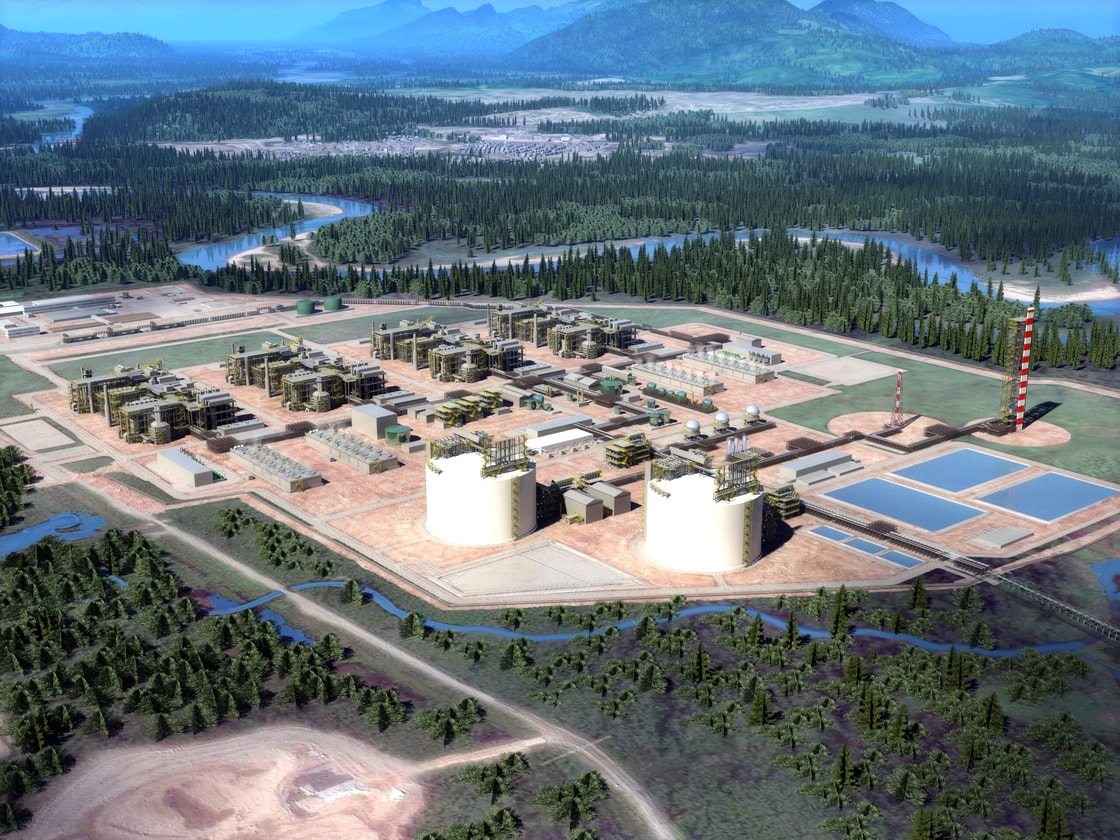
Artist’s rendering of the facility ©LDC
The project could therefore provide a model for converting industrial wastewater into renewable gas at source, reducing both waste-treatment requirements and reliance on fossil fuels.
Brazil’s policy environment is also increasingly supporting biomethane demand. Its Fuel of the Future programme, introduced in 2024, promotes biomethane through a blending mandate starting at 1% and potentially rising to 10%. The separate RenovaBio programme provides decarbonisation credits for qualifying biofuels.
The WBA estimates that Brazil’s long-term potential could reach 84.6 bcm per year of biogas, with 43.8 bcm per year of biomethane.