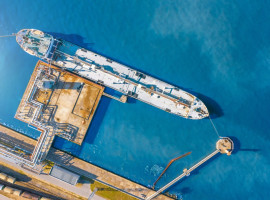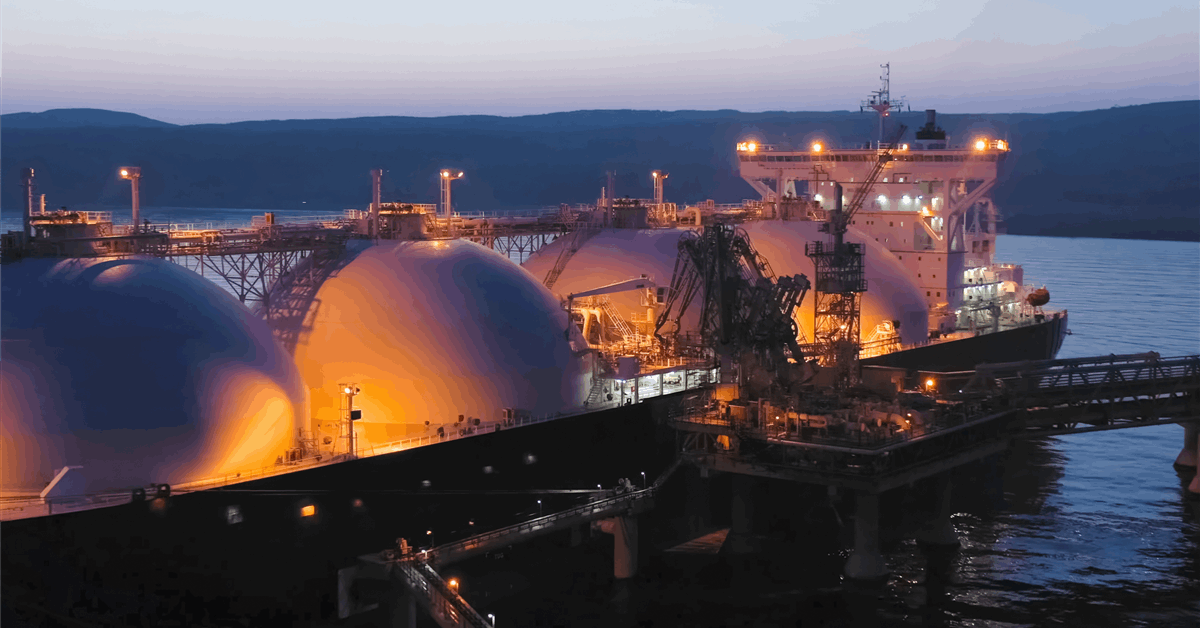
Abu Dhabi National Oil Co. appears to be continuing to load liquefied natural gas onto tankers in the Persian Gulf, according to satellite images, despite ongoing disruptions to energy flows through the Strait of Hormuz and a recent escalation of hostilities in the waterway.
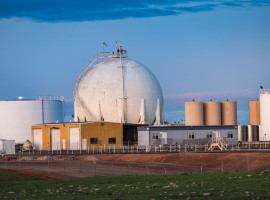
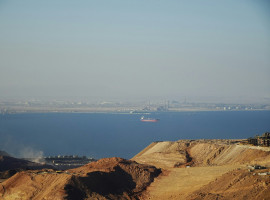
A vessel was docked at the Das Island export facility on Sept. 2, with at least one other tanker spotted nearby, according to images taken by the Copernicus Sentinel-2 satellite. However, there are no tankers broadcasting their positions near the plant, ship-tracking data showed, suggesting they have switched off their transponders to avoid detection.
The United Arab Emirates’ state-owned company has proven adept at moving energy supplies through Hormuz to global customers, particularly crude, despite the persistent threat of attack. Satellite images have shown a number of ships docked at the facility over the past few months, indicating Adnoc has had at least some success transporting LNG out of the gulf.
Adnoc didn’t immediately respond to a request for comment.
The US and Iran renewed fighting this week after a period of relative calm, raising concerns about further disruptions to energy flows through Hormuz. US President Donald Trump said attacks on Iran would likely be short-lived, but warned that “we’re prepared to do another one any time we want.”
Even with the Adnoc cargoes, LNG exports out of the Persian Gulf remain far below pre-war levels of three shipments a day. Visible flows have been at an effective standstill since an Iranian attack on a Qatar-owned vessel in early July. Earlier this week, two oil supertankers were struck in the strait.
Qatar, the world’s second-largest LNG exporter last year, has also periodically loaded tankers at its Ras Laffan facility within the gulf. However, the country has largely stopped sending fuel through the narrow waterway due to safety concerns, with shipments delivered to Kuwait instead.
LNG tankers linked to Adnoc have stopped transmitting signals around Hormuz and within the Persian Gulf, according to ship-tracking data. Instead, vessels will stop near the eastern shore of the UAE, turn off their transponders and then travel dark through the strait to Das Island to collect a cargo. Tankers resume broadcasting once safely outside the gulf.
Last month, an Adnoc-owned ship conducted a ship-to-ship transfer outside of Hormuz, a tactic to get more gas out of the Persian Gulf.
What do you think? We’d love to hear from you, join the conversation on the
The is a new social experience created for you and all energy professionals to Speak Up about our industry, share knowledge, connect with peers and industry insiders and engage in a professional community that will empower your career in energy.