Canada’s Trans Mountain pipeline hit full capacity for the first time in June, and the company running it already has another 300,000 barrels per day of capacity planned. Most of those new barrels are expected to head across the Pacific.
Trans Mountain currently moves 890,000 bpd from Alberta to British Columbia. The operator plans to add 90,000 bpd in the fourth quarter, followed by another 210,000 bpd by the end of 2028, taking total capacity to roughly 1.19 million bpd.
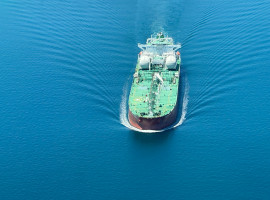
About two-thirds of tankers leaving the Westridge Marine Terminal currently head to Asia, Trans Mountain CEO Mark Maki told Reuters Tuesday. China is the largest customer, with India, Japan, South Korea and Vietnam expected to buy more Canadian crude. Thailand could join that list.
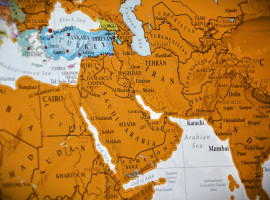
Canadian heavy crude works well in the complex refineries common across Asia. The Iran war has added another reason to buy it: a barrel loaded in British Columbia does not have to pass through the Strait of Hormuz.
Canada is producing enough oil to make the extra pipeline space useful. Output this year is expected to exceed last year’s record 5.3 million bpd, making Canada the world’s fourth-largest producer.
For decades, most of that export story ended in the United States. Canadian producers ship roughly 4 million bpd south, where Midwest and Gulf Coast refineries are configured to process the heavy crude coming out of Alberta.
Trans Mountain opens the door for additional buyers.
Canadian oil sands maintenance is expected to remove roughly 300,000 bpd of production in September, with inventories unusually low, but more Pacific export capacity gives Canadian producers more places to sell once those barrels return.
Canada announced plans in July for another Alberta-to-Pacific pipeline, and Trans Mountain’s expansion is arriving much sooner.
The first 90,000 bpd is scheduled this year. Another 210,000 bpd follows by the end of 2028. Asian refiners are already taking most of the ships leaving the dock.
By Julianne Geiger for Oilprice.com
More Top Reads From Oilprice.com
- Vitol CEO: Global Fuel Markets Are “Tight and Inflexible”
- Gulf Producers Find Workarounds As Hormuz Tensions Persist
- Oil Tankers Flood Back Into Suez Canal As Red Sea Risk Grows