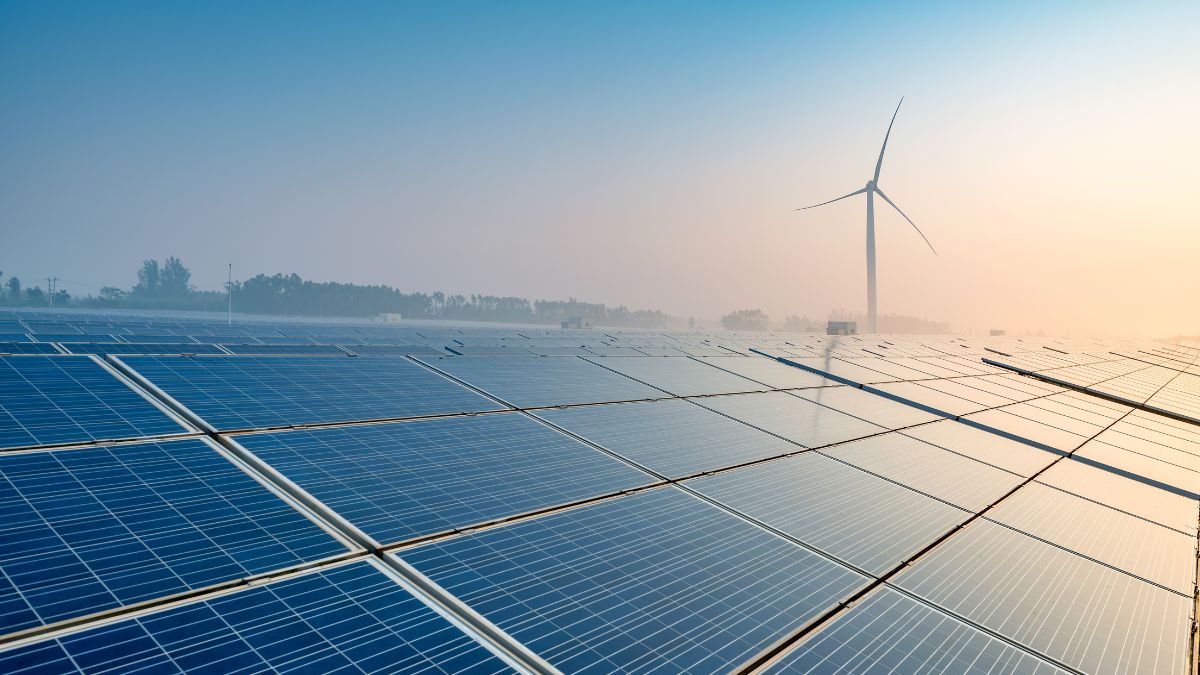
The Government of Liberia has announced a one-year suspension of import tariffs on eligible off-grid solar and renewable energy products, effective immediately from September 1, 2026. The measure has been introduced under Executive Order No. 168, signed by President Joseph Nyuma Boakai, as part of efforts to improve access to affordable and sustainable electricity across the country.
Deputy Information Minister for Public Affairs Daniel O. Sando announced the policy during the Ministry of Information’s regular press briefing in Monrovia. He said the tariff suspension is aimed particularly at supporting rural and underserved communities that have limited or no access to Liberia’s national electricity grid.
The government expects the measure to lower the cost of importing quality renewable energy products, encourage private-sector investment and support economic activities that depend on reliable electricity. The policy is also intended to accelerate the deployment of renewable energy solutions as Liberia works to expand electricity access.
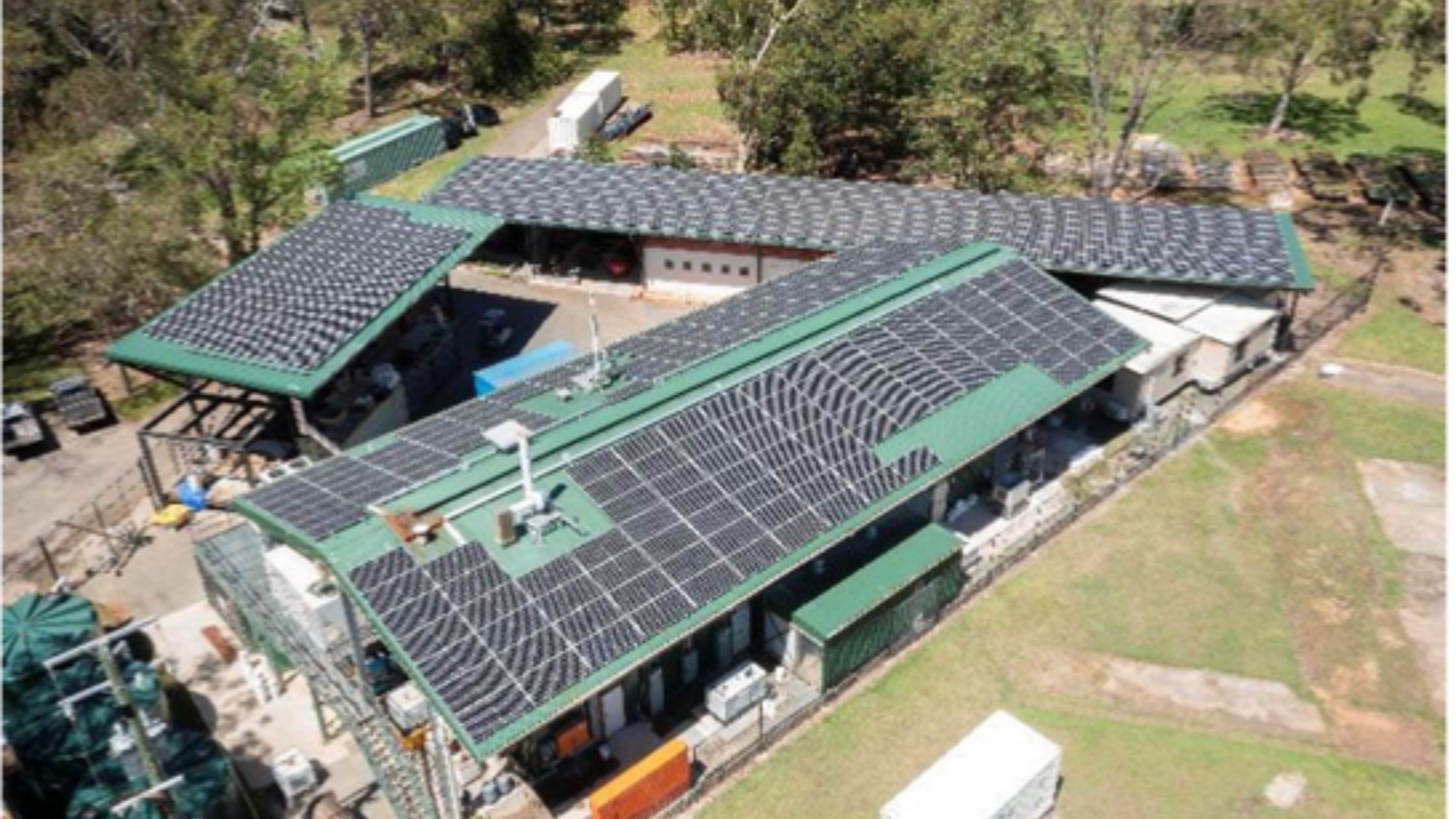
According to the government, the suspension applies only to products specifically listed in the Schedule attached to Executive Order No. 168 and correctly classified under the relevant Harmonized System (HS) codes. Eligible products include off-grid solar lighting and electrification systems, standalone solar photovoltaic components, solar panels, batteries, control units, energy-efficient appliances and other renewable energy equipment considered important for rural electrification.
The Executive Order includes eligibility requirements and safeguards for implementation. Entities seeking to benefit from the tariff suspension must be registered with the Liberia Business Registry and the Rural and Renewable Energy Agency. They must also be actively involved in the deployment, distribution or installation of renewable energy products.
The Liberia Revenue Authority has been directed to implement the tariff suspension in a uniform and transparent manner. Meanwhile, the Ministry of Finance, together with relevant government institutions, will monitor the socioeconomic, fiscal and environmental impact of the policy during its one-year implementation period.
The government has clarified that the suspension does not provide a blanket exemption from other statutory obligations. Taxes and charges, including Goods and Services Tax or VAT, Customs User Fees, the ECOWAS Trade Levy where applicable, and other regulatory, inspection and statutory fees will continue to apply unless specifically suspended under the Executive Order.
The order also provides penalties for misuse of the scheme. Individuals or companies found deliberately misclassifying goods, submitting false documents, importing ineligible products, inflating prices or otherwise abusing the tariff suspension could face applicable criminal penalties.
The Liberian Government expects the temporary tariff relief to attract greater investment in renewable energy, reduce barriers to clean-energy deployment and contribute to wider electricity access and sustainable economic development across the country.
Subscribe to get the latest posts sent to your email.