By
4 hours ago 4 min read
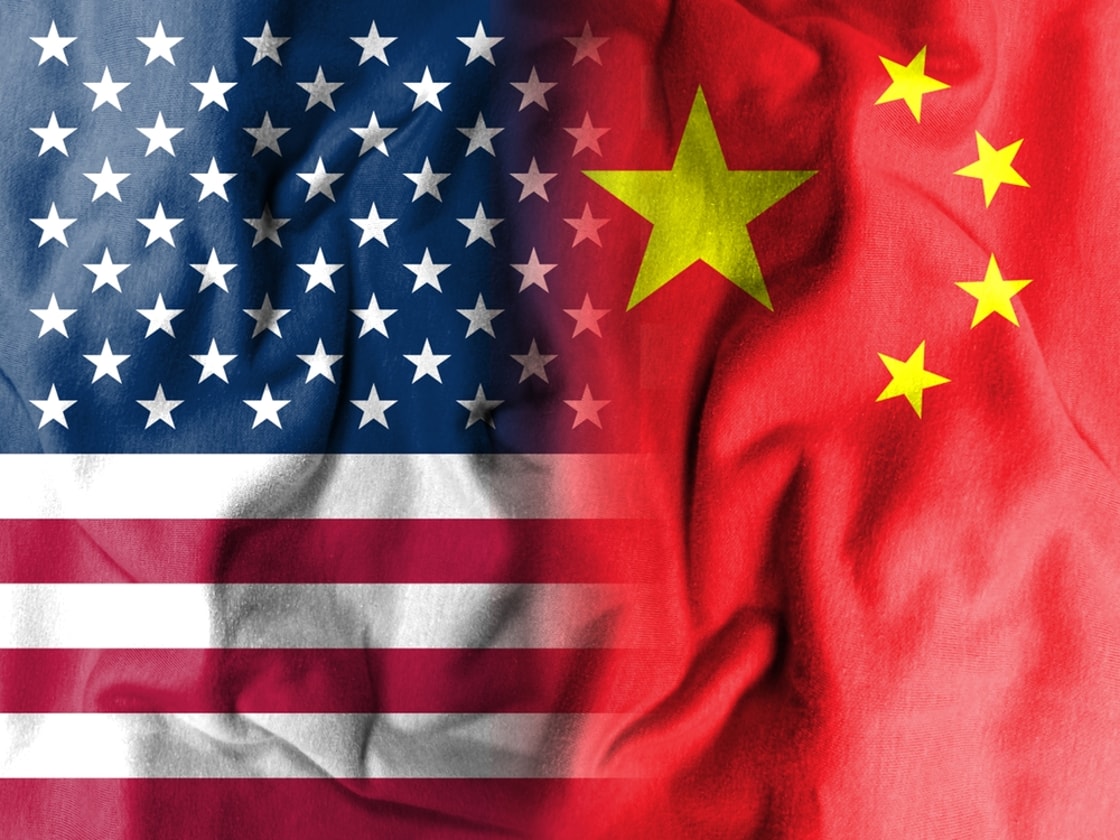
US President Donald Trump and China’s President Xi Jinping meet in Washington today [24 September] with energy supply security and semiconductor controls among a raft of issues up for discussion – after a fragile trade truce was extended to January.
The two-month reprieve, on tariffs originally scheduled to come back into effect on 10 November, is intended to buy more time for both nations to negotiate a potentially broader, long-term economic deal.
The three-day Summit will cover a wide range of topics including China’s pause on rare earth export controls and America’s delay on chip restrictions.
The leaders will also tackle Taiwan, where Beijing wants Washington to halt a $14bn arms package, as well as China’s purchases of Iranian oil and a proposed dialogue on the national security risks of artificial intelligence (AI). It comes as the Australian government has ordered a review after an OpenAI program hacked a government health portal.
A Question of the Day poll currently running on gasworld on ‘trusting AI to make operational recommendations’ finds ‘only with human oversight’ to be the leading category (43%).
Dr Jennifer Lind, Associate Fellow, US and North America programme at the Chatham House think tank, said China’s growth model is faltering and Beijing continues to push surplus production overseas, provoking a backlash of trade barriers. But China continues to possess formidable industrial leverage, across the energy industry and other sectors such as electric vehicles and drones.
“Although gaps in Chinese technology remain – notably in advanced semiconductors – there, too, Chinese firms are likely to grow increasingly competitive.”
She added its innovation model is simply different with the state picking strategic sectors and drenching them in cheap capital, subsidies and guaranteed demand.
“Fierce competition among firms, a vast domestic market and the world’s deepest manufacturing base bring research into mass production faster than anywhere else,” she said.
As the continues to impact the US domestic and global economy, commentators will watch eagerly to see if President Trump can wield pressure on Xi Jinping to force a solution. China is a key energy partner to Iran, buying around 1.4 million barrels of crude oil daily.
While China is heavily dependent on Middle East energy, it has managed to weather the closure of the by diversifying its imports and having plenty of energy reserves in storage, while continuing to ramp up clean energy.
QatarEnergy’s CEO recently said it will take .
Listen
It’s a different picture for President Trump, who is wrestling with the lowest approval ratings in his second term, in the run up to the mid-term elections on 3 November.
“Xi may therefore be tempted to conclude that America is a mess … [but] the US economy is performing well, and the country remains the global innovation leader dominating emerging technologies,” added Lind.
“US–China relations – and the world as a whole – would benefit from an arrangement that acknowledges each country’s core security needs, prevents war and encourages cooperation on shared interests: rebuilding the global trading system, managing the risks of AI and tackling climate change. They will never get there by underestimating each other.”