Just how much Gulf oil and gas production will Isaias knock offline?
Well, according to Earth Science Associates’ (ESA) GOMsmart platform, the answer to that question is – the most of any Gulf storm so far this year.
At the time of writing, ESA’s GOMsmart platform projected mean production losses of 11.17 million barrels of oil and 13.25 billion cubic feet of gas as a result of Isaias.
The platform projected mean production losses of 7.12 million barrels of oil and 9.85 billion cubic feet of gas as a result of Storm Bertha, mean output losses of 10,001 barrels of oil and 80.00 million cubic feet of gas as a result of Edouard, and mean production losses of 10,000 barrels of oil and 60.00 million cubic feet of gas as a result of Arthur.
“This storm has enough lead time for companies to plan accordingly, especially with it reaching hurricane strength fairly early,” an ESA spokesperson said in a statement sent to Rigzone on Wednesday.
ESA’s website highlights that its GOMsmart platform forecasts production lost based on the path, strength, and speed of a storm impacting platforms in the Gulf. Back in July, an ESA spokesperson told Rigzone that ESA is a “leading provider of data and analytic tools to the companies that produce oil and gas in the Gulf”, adding that its clients are responsible for over 85 percent of the basin’s hydrocarbons.
Tropical Storm Isaias
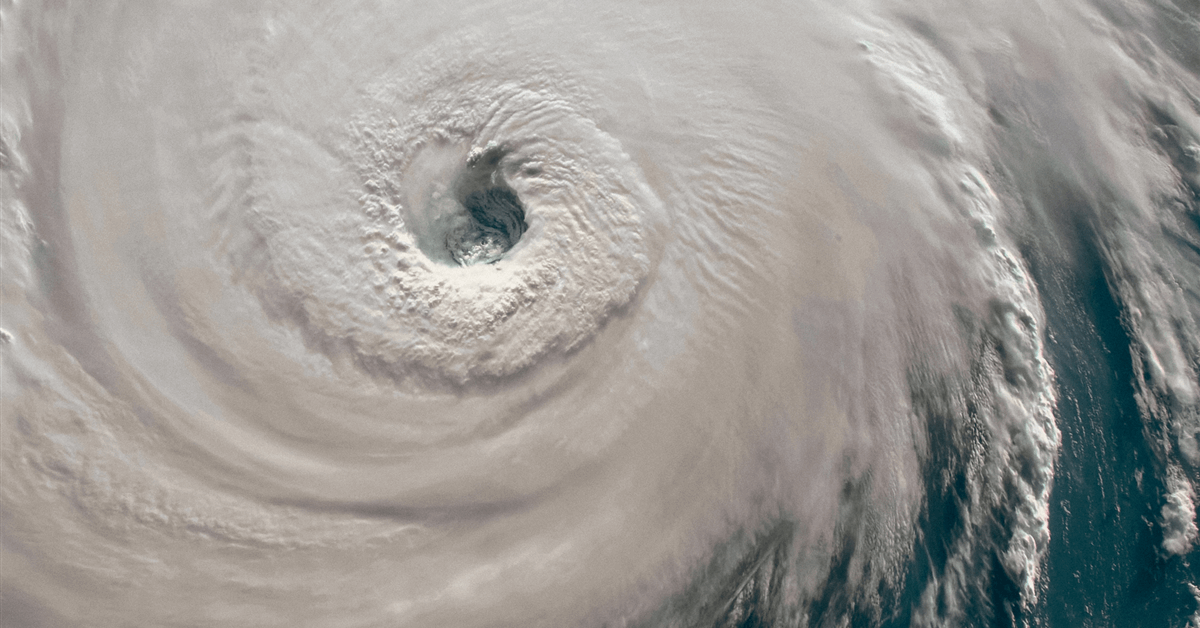
The National Oceanic and Atmospheric Association’s (NOAA) National Hurricane Center (NHC) website showed that, as of 4am CDT on October 7, Tropical Storm Isaias had maximum sustained winds of 40 miles per hour, a minimal central pressure of 1004 mb, and an eight mile per hour east-north easterly movement.
“There is an increasing risk of dangerous wind and storm surge impacts along portions of the northern Gulf Coast,” a ‘key message’ for the storm, as of 4am CDT on October 7, published on the NHC site noted.
“Residents from Louisiana to the Florida Panhandle should closely monitor the latest forecast updates and ensure they have their hurricane plan in place. Hurricane and Storm Surge Watches will likely be required for a portion of the northern Gulf coast later today,” it added.
“Tropical Storm Isaias will bring areas of heavy rainfall to the central U.S. Gulf coast and much of the Southeast Friday into the weekend. Flash and urban flooding, along with isolated river flooding, will be possible,” it continued.
Landfall Near New Orleans
In an EBW Analytics Group report sent to Rigzone by the EBW team on Tuesday, EBW Energy Analyst Eli Rubin warned that the “organization of a tropical storm in the Gulf of America is rising, with DTN assessing an 80 percent chance of a tropical depression or tropical storm formation before a most-likely storm trajectory points to landfall near New Orleans on Saturday”.
“The gathering storm is currently disorganized and strength is likely to remain minimal – but very warm sea surface temperatures open risks for a rapid intensification into the end of this week,” Rubin warned.
“While current projections suggest insufficient storm strength to affect LNG export facilities, however, cooling rains and potential disruption to LNG shipping offer natural gas demand destruction risks that may come into focus over the next 48-72 hours,” he continued.
Atlantic Hurricane Forecast
In a statement posted on its site recently, NOAA announced that it was maintaining its prediction for a “below-normal” Atlantic hurricane season.
“With the climatological peak of hurricane season approaching in early September, NOAA’s prediction for below-normal activity in the Atlantic basin remains,” NOAA said in that statement.
NOAA revealed in the statement that its forecasters were predicting a 75 percent chance for “below-normal” activity, a 20 percent chance of a “near-normal” season, and a five percent chance of “above-normal” activity. It highlighted that this updated prediction was similar to its initial outlook issued in May.
In that outlook, NOAA predicted a 55 percent chance of a below-normal season, a 35 percent chance of a near-normal season, and a 10 percent chance of an above normal season.
NOAA highlighted in its latest Atlantic hurricane projection that forecasters from its National Weather Service had updated the number of expected named storms to 7-13. Of these, two to six could become hurricanes, including zero to two major hurricanes, that statement noted.
Gulf Production
According to the U.S. Energy Information Administration’s (EIA) September short term energy outlook, in 2025, total crude oil output in the federal Gulf of America averaged 1.94 million barrels per day and total marketed natural gas production in the federal Gulf of America averaged 1.9 billion cubic feet per day.
The EIA’s latest STEO projected that, in 2026, total crude oil output in the federal Gulf of America will average 2.03 million barrels per day and total marketed natural gas production in the federal Gulf of America will come in at 2.0 billion cubic feet per day.
Atlantic weather systems have severely affected oil and gas operations in the Gulf in the past. For example, at its peak, on August 29, 2021, and 94.47 percent of gas production on August 31, 2021, U.S. Bureau of Safety and Environmental Enforcement (BSEE) figures revealed.
To contact the author, email