Four-hour battery energy storage systems are now less expensive than open-cycle gas turbines in all 43 markets assessed by Wood Mackenzie, highlighting a major shift in the economics of electricity generation and grid flexibility. The consultancy’s latest global levelized cost of electricity (LCOE) report attributes the trend to expanding battery manufacturing capacity, rising gas turbine costs and fuel price volatility.
In the Middle East and Africa, utility-scale solar photovoltaic (PV) remains the lowest-cost power generation technology, with single-axis tracker solar recording an average LCOE of US$37/MWh in 2026. The cost is forecast to decline to US$24/MWh by 2035, while four-hour battery storage costs are projected to fall 33% from US$120/MWh to US$80/MWh over the same period.
According to Wood Mackenzie, this decline will make battery storage more cost-competitive than gas-fired peaking generation across every gas market in the region.
“This economic shift is decisive and widening,” said Ahmed Jameel Abdullah, Principal Analyst at Wood Mackenzie. He attributed the trend to gas turbine shortages and fuel price volatility, alongside falling storage costs driven by expanding battery manufacturing.
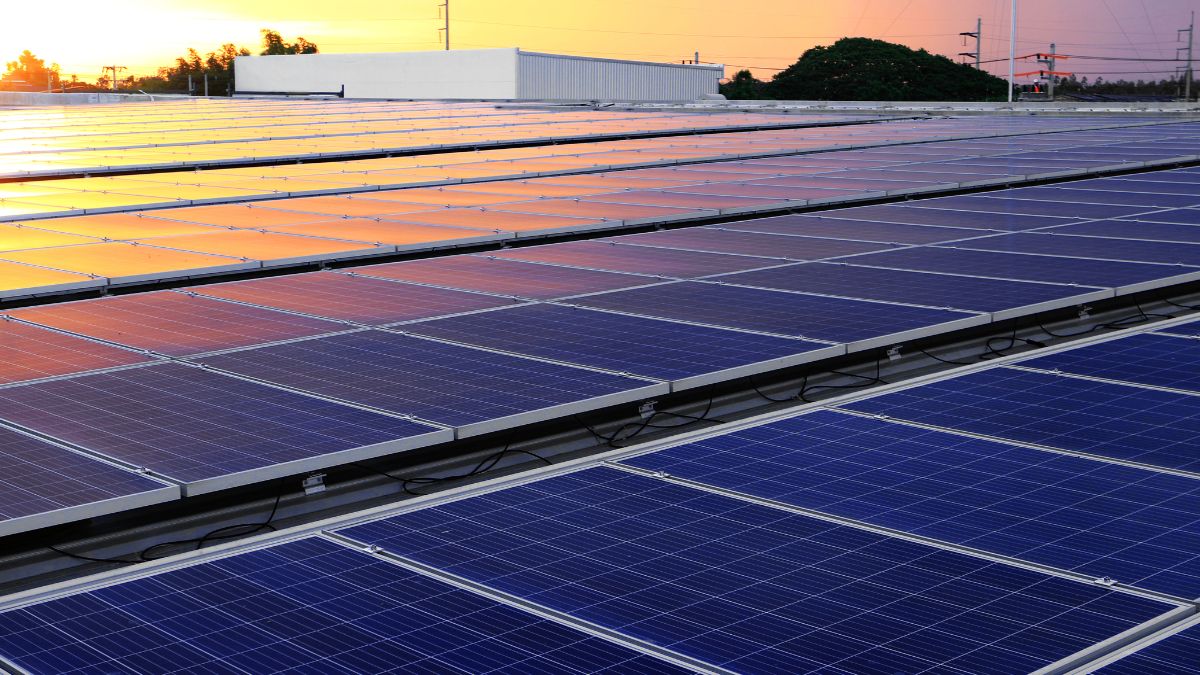
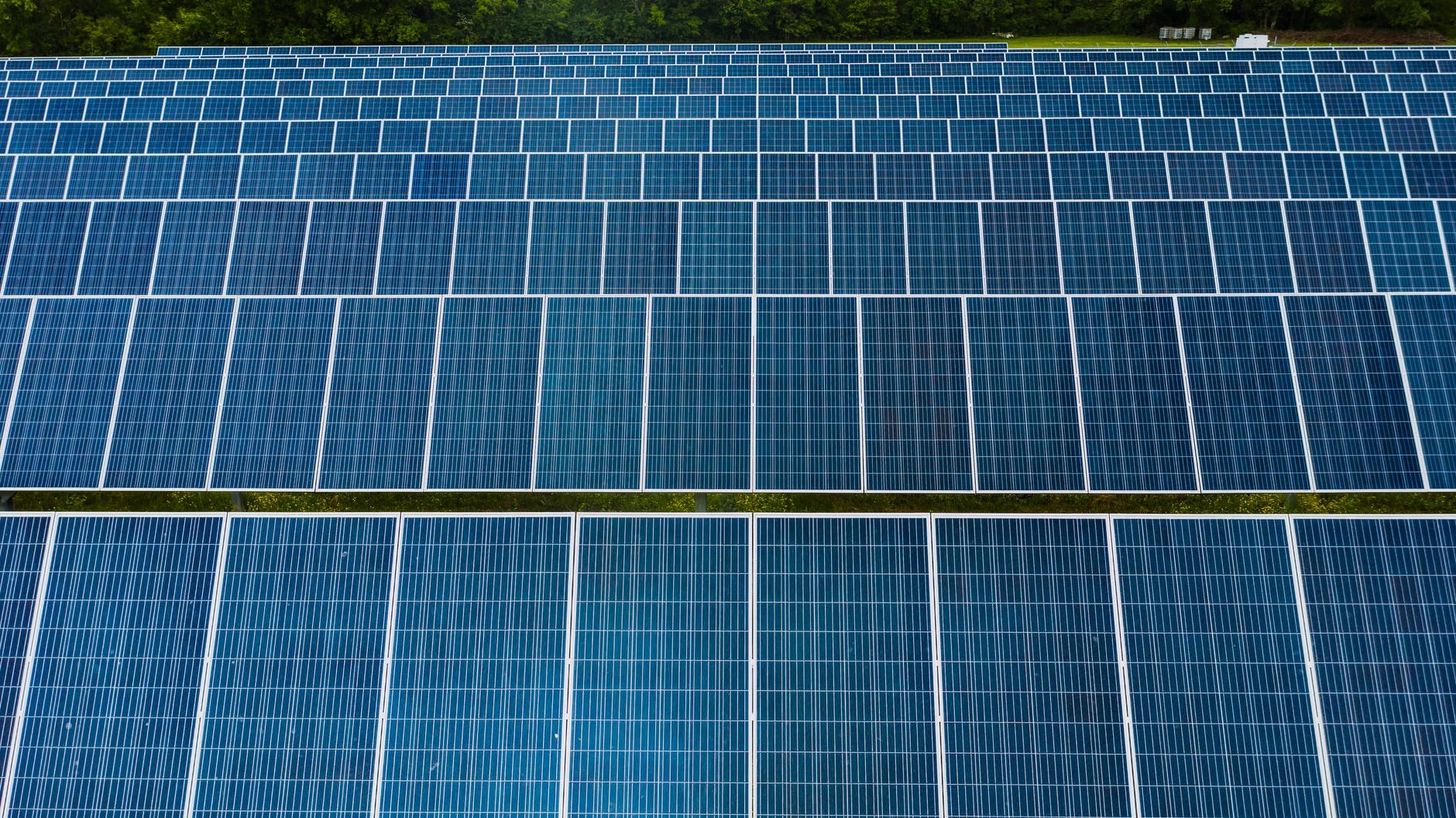
The report also highlights the growing cost advantage of renewable energy for baseload generation. Single-axis tracker solar is now the lowest-cost new-build power generation technology in 43 of the 48 markets analysed, while onshore wind leads in the remaining five. In Saudi Arabia and the United Arab Emirates (UAE), solar LCOE is projected to fall below US$20/MWh by 2033.
Renewable energy generation costs across the Middle East and Africa remain among the lowest globally. Utility-scale solar continues to set the regional cost benchmark, supported by favourable solar resources and declining technology costs.
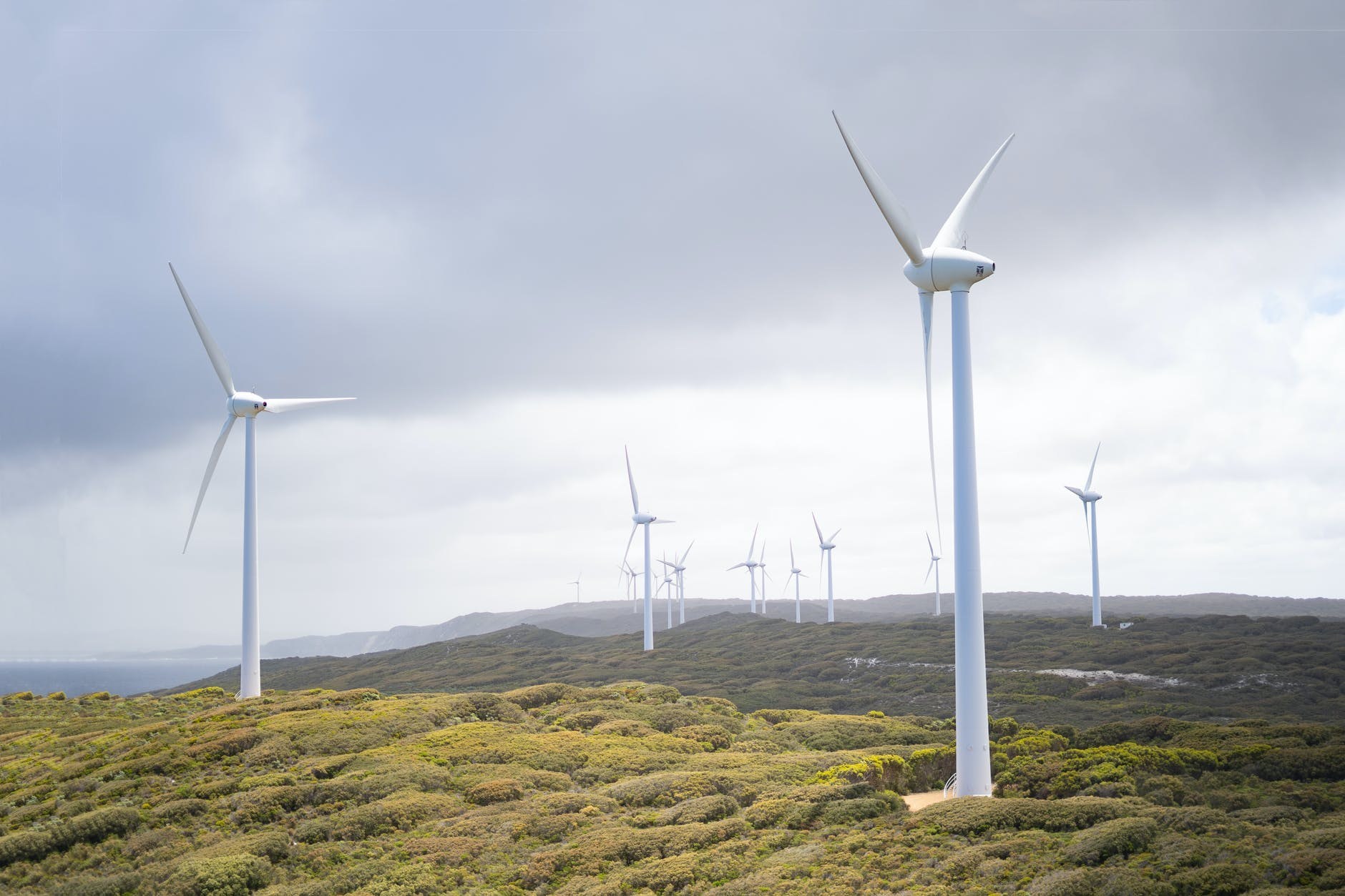
Onshore wind is also becoming increasingly competitive as Chinese turbine manufacturers expand their presence in the region. Egypt and Morocco are recording particularly low wind generation costs, supported by capacity factors ranging from 40% to 45%.
Battery storage is emerging as a key technology for integrating renewable energy into electricity systems. Wood Mackenzie expects four-hour storage costs to decline to US$80/MWh by 2035, strengthening its competitiveness against gas peaking plants and supporting greater deployment of solar and wind power.
The consultancy said the combination of low-cost renewable generation and increasingly affordable storage is changing power system planning across the Gulf and Africa.
Utility-scale solar PV remains the most cost-competitive electricity generation source across Asia Pacific, although substantial differences persist between markets. In 2026, solar generation costs in the region’s highest-cost market are more than three times those in the lowest-cost market. The gap is expected to widen to 250% by 2030, despite cost improvements across all markets.
Onshore wind is also becoming more competitive, supported by the growing presence of Chinese original equipment manufacturers (OEMs) and the deployment of larger-capacity turbines. These developments are expected to narrow the cost gap between wind and coal-fired generation across South and Southeast Asia.
China continues to lead the global grid-scale battery storage market, with benchmark LCOE more than 55% below the Asia Pacific average of US$134/MWh outside China, according to the report. Integrated domestic supply chains and large-scale manufacturing underpin this advantage.
Wood Mackenzie expects competitive Chinese battery supplies to reduce the wider Asia Pacific storage LCOE to US$92/MWh by 2036. However, Japan, Australia and the Philippines are likely to retain higher costs because of import duties, elevated installation expenses and domestic manufacturing policies.
Offshore wind projects outside China continue to face near-term cost pressures, with more substantial reductions expected from the early 2030s as supply chains mature and turbine sizes increase.
Solar PV with single-axis tracking remains the lowest-cost electricity generation technology in Latin America in 2026. Regional average solar generation costs are projected to decline 38% by 2060, supported by favourable solar resources and high capacity factors in Brazil, Chile and Mexico.
Onshore wind costs are also expected to fall significantly. Wood Mackenzie forecasts the regional average wind LCOE will decline from US$73/MWh in 2026 to US$58/MWh by 2030, a reduction of nearly 21%. Increased competition from Chinese turbine manufacturers and the deployment of larger turbines are expected to drive these savings.
Grid-scale battery storage is expanding across the region, supported by storage requirements linked to renewable energy projects and standalone procurement to improve grid stability. Storage LCOE is forecast to decline 42% by 2060 as deployment increases and regulatory frameworks mature.
Offshore wind remains a longer-term opportunity. Regional average costs are expected to approach combined-cycle gas turbine cost parity in the early 2040s, although development activity in Brazil and Colombia is beginning to support the emergence of local supply chains.
Solar PV remains Europe’s cheapest electricity generation technology, with fixed-tilt solar LCOE forecast to decline 22% by 2060 as capital costs fall and technology improves. However, solar capital expenditure is expected to increase 14% in 2026, driven by higher PV module prices.
Onshore wind capital expenditure is projected to decline at an average annual rate of 2.5% through the remainder of the decade. Beyond 2030, improvements in capacity factors are expected to become the main driver of lower generation costs, bringing onshore wind LCOE to US$60/MWh by 2060.
Battery storage costs have experienced a short-term increase. Turnkey battery storage capital expenditure rose approximately 2%, marking the first annual increase in three years. Battery cell prices rebounded around 10% from their 2025 lows amid stronger demand and higher lithium prices.
Wood Mackenzie expects battery storage capital expenditure to decline 12% by 2031, although the pace of reductions could moderate as lithium prices rise. The report anticipates lithium prices could roughly double in 2029 as oversupply clears and demand outpaces new mining and refining capacity.
Europe also faces the highest fossil-fuel generation costs among the regions analysed. Levelized carbon costs are projected to exceed fuel costs by 2030, while offshore wind costs are expected to decline from the 2030s as supply chains stabilise and turbine prices fall. Competitive contracts for difference (CfDs) are expected to provide greater demand certainty for offshore wind development.
Solar generation costs in North America face near-term pressure from tariffs, anti-dumping and countervailing duty measures, and new Section 232 import restrictions. Distributed solar projects are particularly exposed, while utility-scale development receives some protection from 168 GW of safe-harboured capacity.
Despite these protections, solar module prices are expected to increase by around 5% annually through 2030. Residential and commercial projects face additional cost pressures, with module prices forecast to rise 6% in 2027 and a further 14% in 2028.
Onshore wind LCOE is projected to decline 16% by 2060 as capital and operating expenditure improve, although policy uncertainty and potential Section 232 impacts on turbine pricing could affect near-term development.
Battery storage continues to benefit from tax credits that help offset foreign entity of concern (FEOC) restrictions and supply chain constraints. However, the anticipated phase-out of investment tax credits (ITCs) from 2038 is expected to trigger a cost increase.
Over the longer term, new battery chemistries, greater hardware standardisation and domestic supply chain expansion are forecast to reduce storage LCOE by 10% by 2060.
North America is also entering a potential gas generation capacity supply deficit cycle extending into the late 2030s, driven partly by rising electricity demand from data centres. The resulting pressure on thermal generation capital costs is expected to strengthen the long-term economic case for renewable energy and battery storage.
Wood Mackenzie said the combination of declining renewable generation costs and increasingly competitive battery storage is changing the economics of electricity systems across multiple regions.
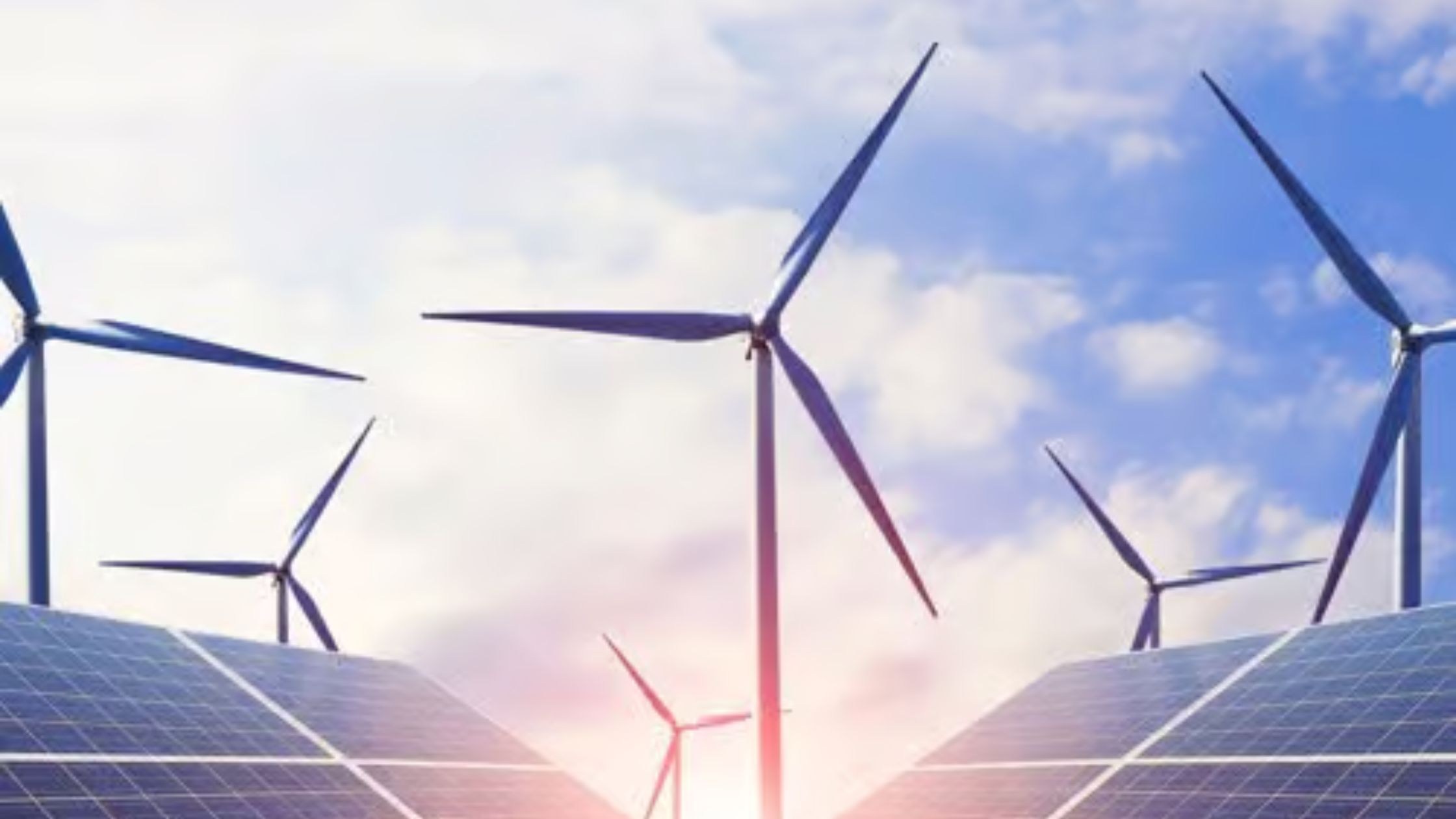
“The structural shift we are tracking is no longer just about renewables becoming competitive,” Abdullah said. “It is about storage and solar together redefining what the economics of a power system look like.”
He added that falling storage costs and favourable renewable resources are weakening the economic case for new gas peaking capacity, while long-term contracted renewable electricity is increasingly influencing power cost expectations.
The report points to continued regional differences in generation costs, shaped by manufacturing scale, trade policies, fuel prices, installation expenses and supply chain maturity. However, the growing competitiveness of solar, wind and battery storage is expected to play an increasingly important role in future power generation investment and electricity system planning.
Subscribe to get the latest posts sent to your email.