By
56 min ago 3 min read
Italian energy storage company Energy Dome has opened a manufacturing plant in Piacenza as it prepares to expand production of its carbon dioxide (CO2) battery technology for projects across four continents.
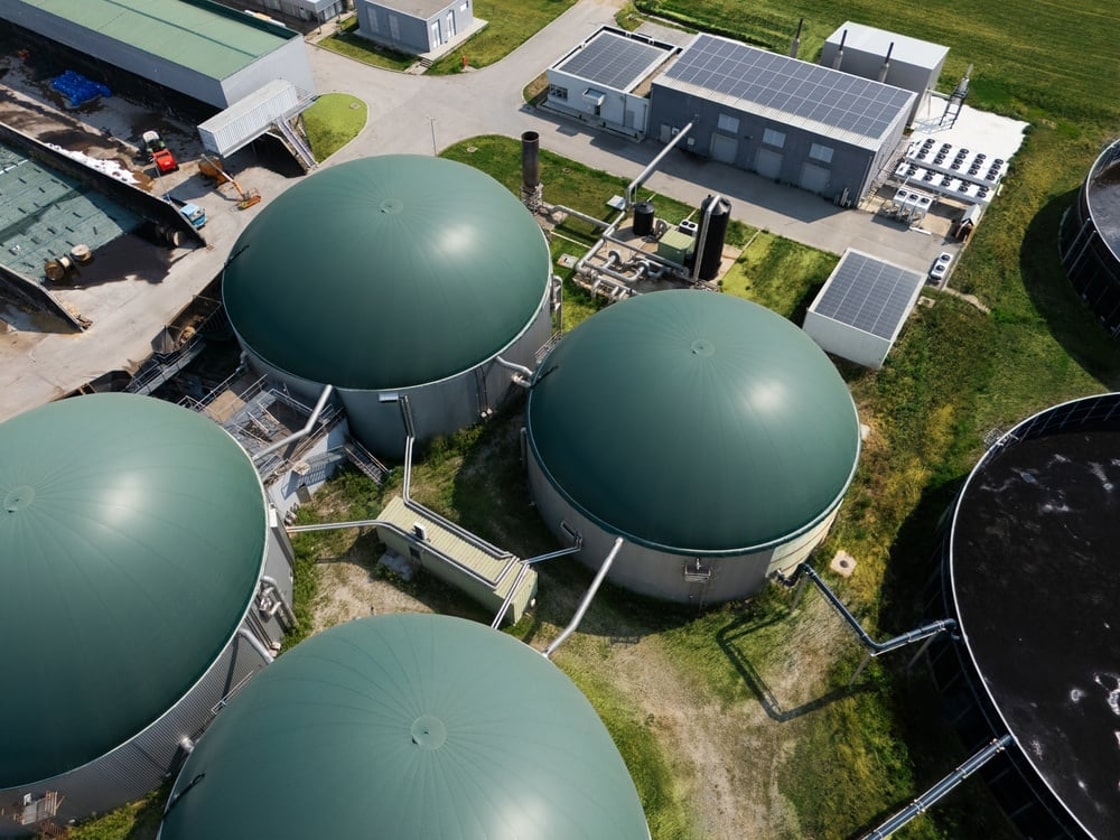
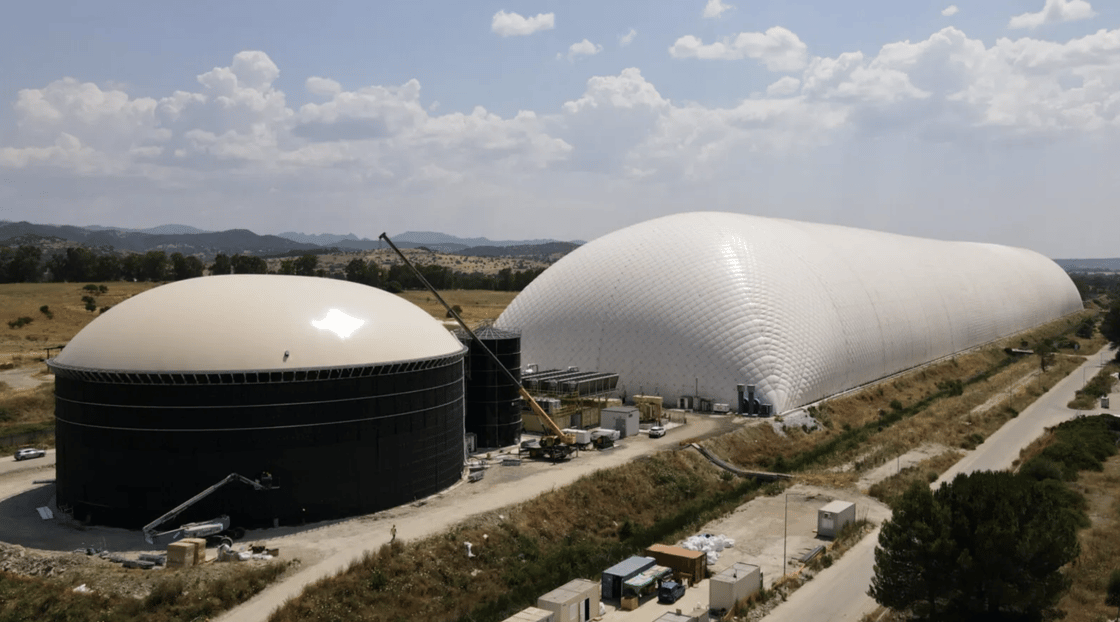
The facility will manufacture key components for the company’s long-duration energy storage systems, including the large domes used to store CO2 during operation.
Energy Dome has invested around €2m ($2.2m) in the site over the past year, covering building renovations, machinery and upgrades to electrical and network infrastructure. A further investment programme will bring total spending to around €6.5m ($7.3m) over the next two years.
The company aims to triple production capacity and increase the local workforce from around 30 employees to between 80 and 90 by 2028.
The first dome manufactured entirely in-house at the Piacenza facility has already been shipped to India for the 20MW/160MWh , being developed with state-owned utility NTPC.
Production is for the 20MW/200MWh Columbia Energy Storage Project in Wisconsin, US, in partnership with Alliant Energy.
The next component is destined for a 23MW/200MWh project in Rhode, Ireland, announced by Energy Dome and Google in June.
The marks the first bilateral commercial agreement between Google and Energy Dome, following their partnership to deploy the Italian company’s CO2 battery technology for long-duration energy storage.
Energy Dome said its manufacturing model relies on European supply chains, including steel and turbomachinery, to support the rollout of its technology across international markets.
The company reports more than 2GWh of projects in operation or under contract, alongside more than 3GWh of authorised projects and a development pipeline exceeding 30GWh.
CO2 battery technology
Energy Dome’s system uses CO2 in a closed thermodynamic cycle to store electricity and release it when required.
During charging, electricity powers a compressor that pressurises the CO2, generating heat that is stored for later use. The CO2 is then liquefied and held in pressurised vessels at ambient temperature.
When electricity is needed, the liquid CO2 is heated and allowed to expand into a gas, driving a turbine to generate power before returning to the dome.
The process allows the system to store energy for periods when renewable generation is unavailable or demand exceeds supply.
The technology is designed to provide long-duration storage using established industrial equipment and materials, including steel, water and CO2, rather than relying on battery materials such as lithium.