By
14 min ago 3 min read
French investment firm Épopée Gestion and biomethane developer Enervivo have joined forces with logistics firm Urbeez to establish a €10m ($11.2m) platform dedicated to financing biomethane injection projects in France.
The platform aims to finance around ten projects over the next three to four years, with the vast majority of the funding provided by Épopée Gestion.
It will focus primarily on brownfield developments, converting existing cogeneration facilities to produce biomethane for injection into the gas grid. Greenfield projects will also be considered, alongside developments led by companies other than Urbeez.
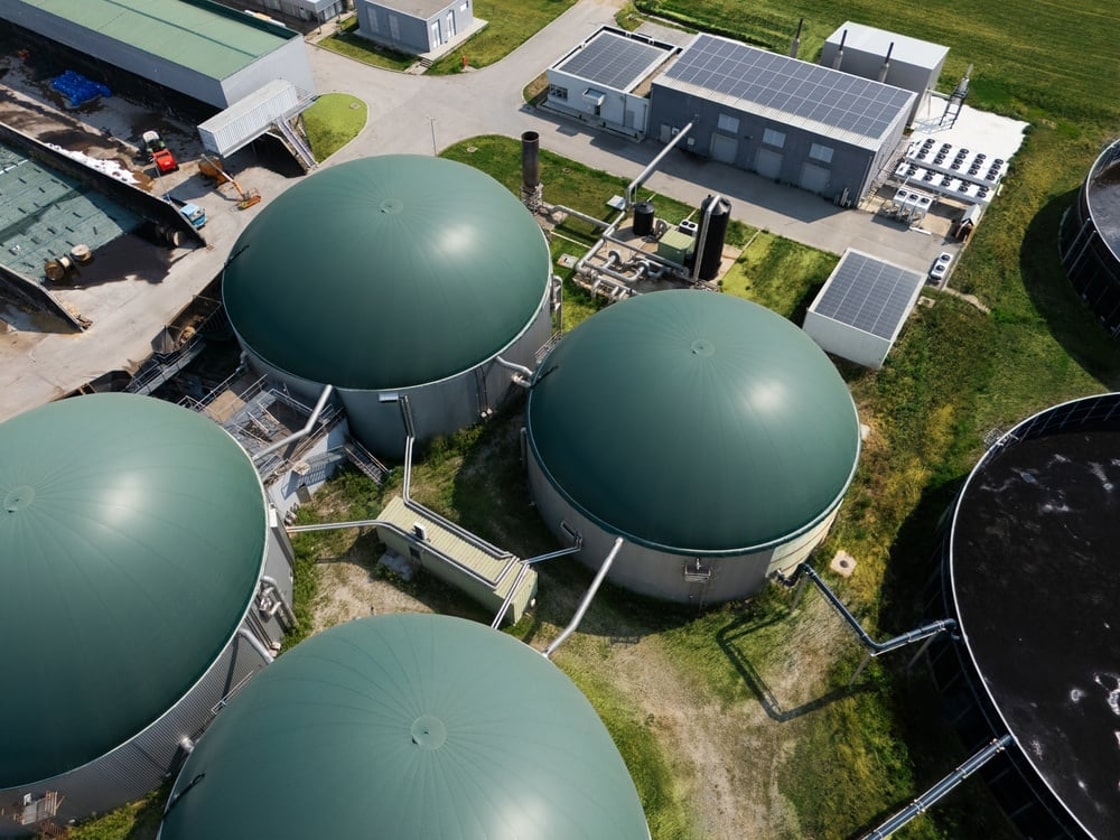
An initial investment is planned for a facility in La Chapelle, in the Charente region of western France. The project is designed to produce 25GWh of biomethane annually and is scheduled to come online in autumn 2027.
The platform will primarily target agricultural facilities with annual production capacities of between 15GWh and 40GWh.
The investment comes as developers explore alternative financing models for renewable gas projects in France, including the use of biogas production certificates (CPB) and biogas purchase agreements (BPA).
While some projects in Urbeez’s existing portfolio benefit from feed-in tariffs, the new platform intends to rely primarily on CPB revenue, with the potential to use BPAs.
Sylvie Perrin, partner at French law firm De Gaulle Fleurance, which advised Épopée Gestion and Enervivo on the transaction, said the platform marked a new milestone for the country’s biomethane sector.
“The conversion of existing facilities for grid injection accelerates the deployment of production capacity, while the development of new business models – particularly those centred on biogas production certificates – opens up new financing opportunities,” she said.
France broadens renewable gas ambitions
The investment follows wider efforts to expand France’s renewable gas sector, with policymakers considering changes to support mechanisms to accommodate a broader range of production technologies.
In July, the French government proposed from 2029 to 2041, while allowing biomethane produced through thermochemical processes such as pyrolysis and gasification to qualify alongside more established pathways, including anaerobic digestion.
The proposed changes would give developers a longer-term framework for financing projects and could open new opportunities for converting woody biomass and other residual feedstocks into renewable gas.
The certificate mechanism requires natural gas suppliers to surrender certificates linked to biomethane production. Producers can sell these separately from the physical gas injected into the grid, creating an additional revenue stream.
However, the framework is also subject to EU rules governing the internal market. In April, the European Commission against France over a certificate system that it said favoured domestic biomethane production and restricted imports from other member states.